Owen & NM Green Chiles

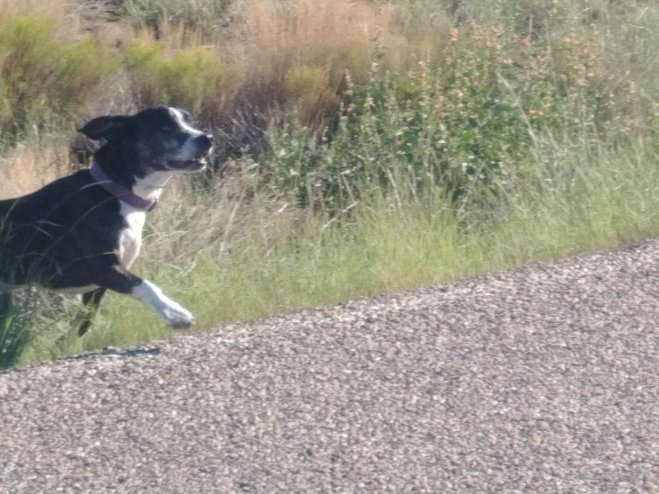
Owen’s job around the homestead is security, and he takes it seriously. No trash/mail/delivery truck goes unnoticed and un-barked at. The sound of their jaengines arouse him to race through the house to the front gate, grumblings in his basset-derived chest. But, Owen also keeps the ground squirrels from raiding our green chile patch.
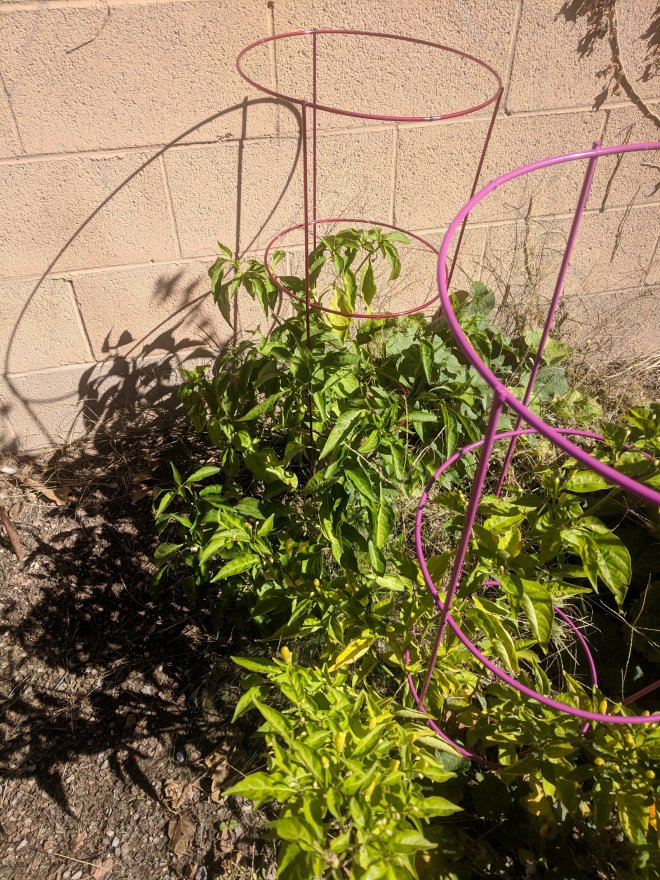
We set aside a small part of the backyard for flowers and a few New Mexico green chile plants. The rest is a place for indigenous flora and fauna of the high Chihuahua Desert to play out the roles prescribed by nature. New Mexico is renowned for its green chiles that the locals use to season stews, and add zest to other recipes.

The chiles from the area around the farm town of Hatch in the Mesilla region on the lower Rio Grande River have trademarked their product.

However, Hispanic farm communities throughout the state claim unique properties to their chiles and preserve the seeds that have been passed down since the Spanish introduced chiles into New Mexico centuries ago. LINK

And not just the Hispanics are aficionados of the chile. A Jemez Pueblo friend gave me a chile that had been passed down in his family since the mid-18th century.

Jemez State Monument, preserving the ruins of a 17th century Spanish mission and 13th century Indian pueblo,

The peppers from those seeds rated 10 (maximum hot) on the chile heat scale. Chefs around the state compete for the blue ribbon at the state fair that is awarded to the best green chile cheeseburger. Owen loves green chile cheesburgers.

Locals buy their stash of green chiles at supermarrkets, road side stands, and at the farm. In early fall, the air is filled the scent of chiles being roasted in store parking lots and roadside stands.

Roaster

We harvested a few chiles from the three plants in our garden.
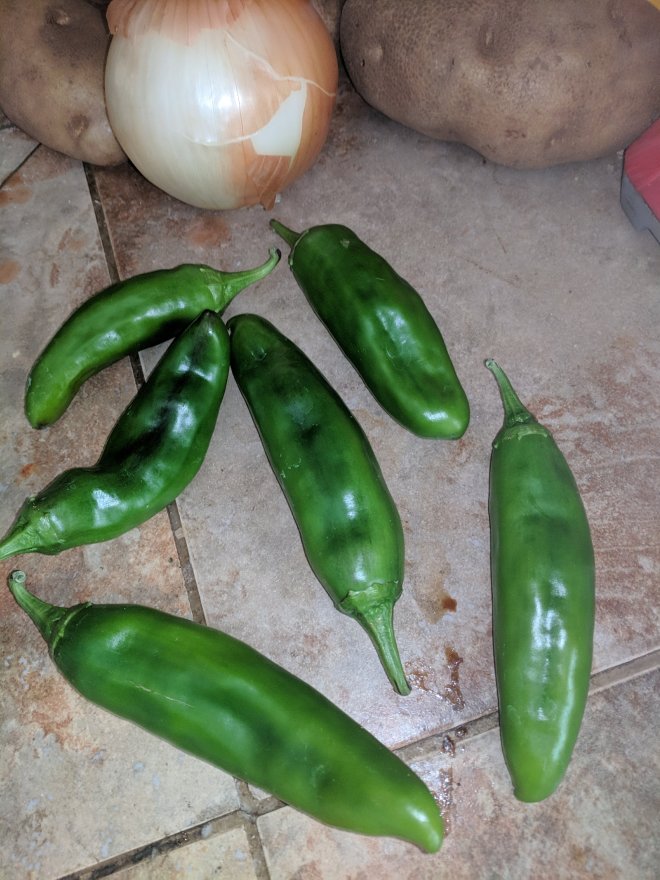
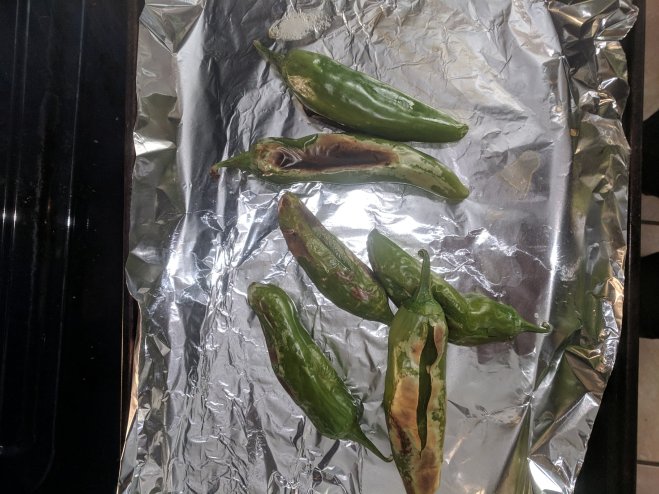
We popped them under the broiler.

Turned them every few minutes, and out they came, ready to be peeled, de-seeded, and ready to be added to home made green chile stew.
Owen finds the chiles uninteresting as a diet item, but the green chile cheeseburgers are a hit with him.

Roadie in Our Habitat

Our approach to our backyard garden was to minimize our toil and, because we live in the high Chihuahua  Desert, water.  Our solution was to establish a backyard habitat populated with plants indigenous to this desert country. Two types of cacti were already thriving — a claret cup and a cholla.


We planted a few more specimens. This one is an early bloomer.

This claret cup cactus is nestling with a sage brush plant.

We added small agave of various types, and, over the years, they have flourished and created a fence of agave.

Salutary neglect along with Nature has produced a habitat in which lizards, bugs, birds, pollinators, and the occasional coyote make their living.

One of our favorite visitors is the roadrunner, a member of the cuckoo family.

Greater Roadrunner (Geococcyx californianus), Arizona, Perched on cholla cactus branch, With mouth wide open, Large crested terrestrial bird of arid Southwest, Common in scrub desert and mesquite groves, Seldom flies, Eats lizards, snakes and insects

Roadie hunts lizards, bugs, nestlings; an opportunistic feeder. Roadie also hops onto our patio and peers through our sliding glass door. It’s as though he knows he’s safe behind the glass, and it appears he enjoys tormenting the cats and dog. “Roadie” is in Owen’s canine vocabulary, along with “mail truck” and “trash truck.” When we call out “Roadie!” Owen races to the patio door growling.


Roadie, our name for whatever individual hunts lizards and bugs in the habitat


Cats, Dogs, Wine, and Sushi

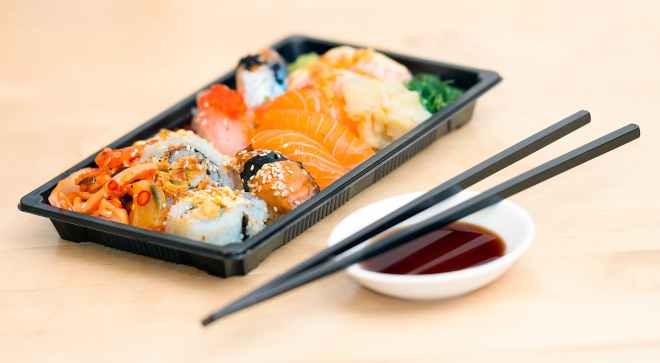
Before we travel, we try to eat and drink things that we’ll encounter in the place we’ll be visiting. For Japan, that was sushi and sake.

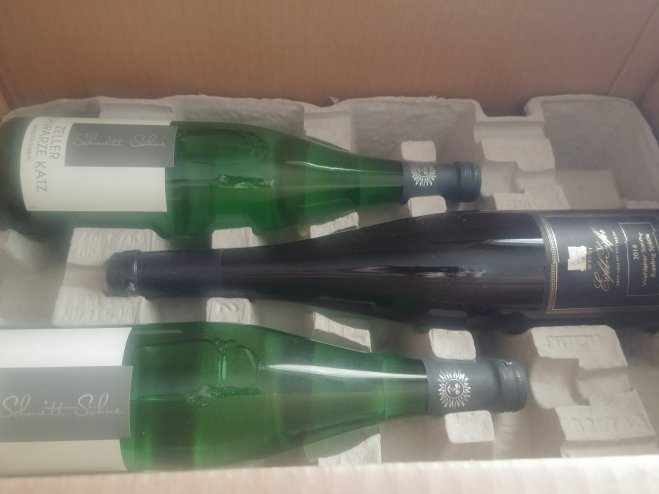
For Germany, we’ve been trying out wines from Moselland, as that’s where we’ll be traveling and wine tasting.

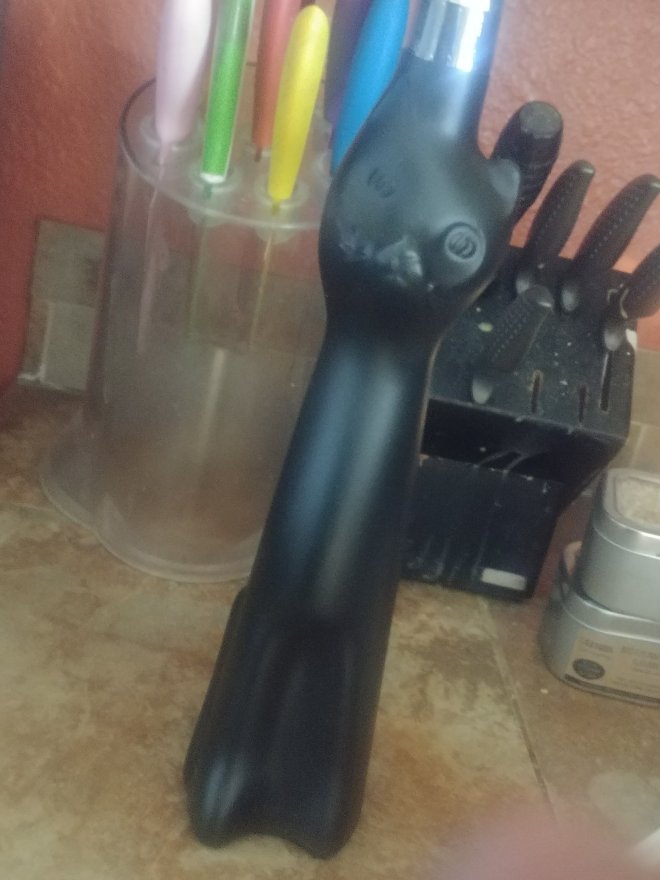
This cat bottle had to be purchased!

We got an order in from Total Wine. The cat bottle wine was surprisingly good. I bought it for the bottle since I love cats. (I have two. And a dog.)

More wine for testing
We’re still drinking!
One of the cats from our house. Madeline.

As you can tell, I’m crazy for furry animals. I take way too many cat and dog related pictures on our travels.

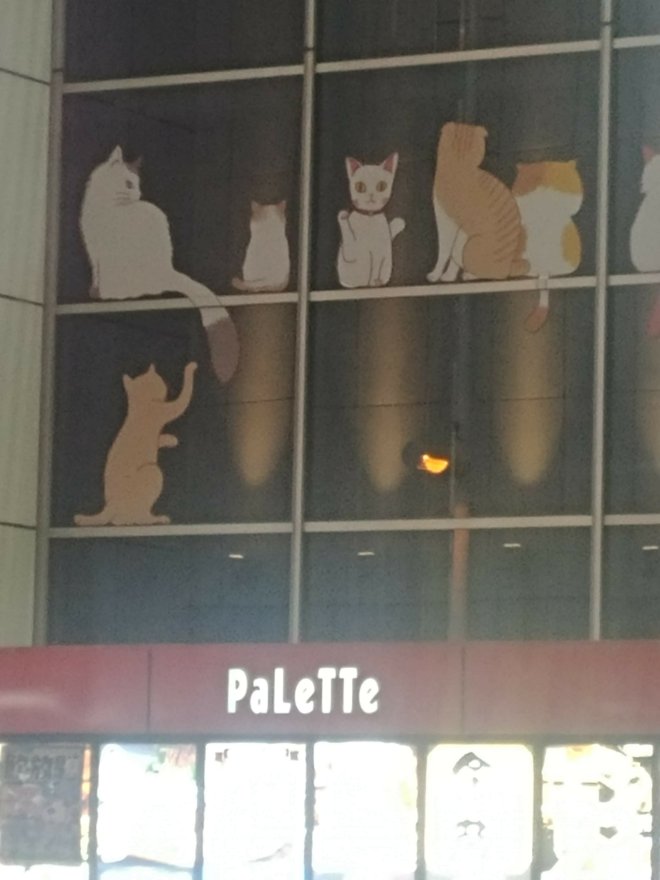
Cats stencils in a window in Japan

But my own pets are my favorites– with or without wine and sushi.

Owen, our wonder dog
Skye is always smirking

Procuring German Railway Passes Was A Breeze

To simplify the logistics of our upcoming trip to Germany, we decided to stay in one hotel for the week that we’ll be there and make day trips to other locales. We selected Koblenz as our base because it was at the confluence of the Moselle and Rhine Rivers. Link

The German Corner, view from Ehrenbreitstein fortress - Foto: Koblenz Touristik

The German Railroad (Deutsches Bahn or DB hereafter) posts its schedules online. Link We found that the DB  provides direct service from the station at the Frankfurt Airport to the main station in Koblenz. The ride takes a little more than an hour and was much more convenient than renting a car.

Examining the schedules for Koblenz, we learned that DB provides morning departure and afternoon return times to the cities and towns that we wanted to visit. We decided to use DB for our day trips as far as Koeln and Luxembourg and as nearby as the Moselle and  Rhine country wineries.

DB offers several types of railway passes for tourists on its website. We opted for a pass designed for non-Europeans  that provided seven consecutive days of train travel. Moreover, DB was offering a autumn season discount! We  ordered our tickets on the DB website and printed them out at home. When we board the train in Germany, we merely show the passes and our passports to the attendant.

Cost Free Mementos

A very traditional street light

When I was younger and literally traveling on a shoestring budget, traditional souvenirs were too expensive so I came up with some no cost options.

One of my first collections was pictures of streetlights. It seems like every city has its own streetlight style and some of them are really unique and fun.

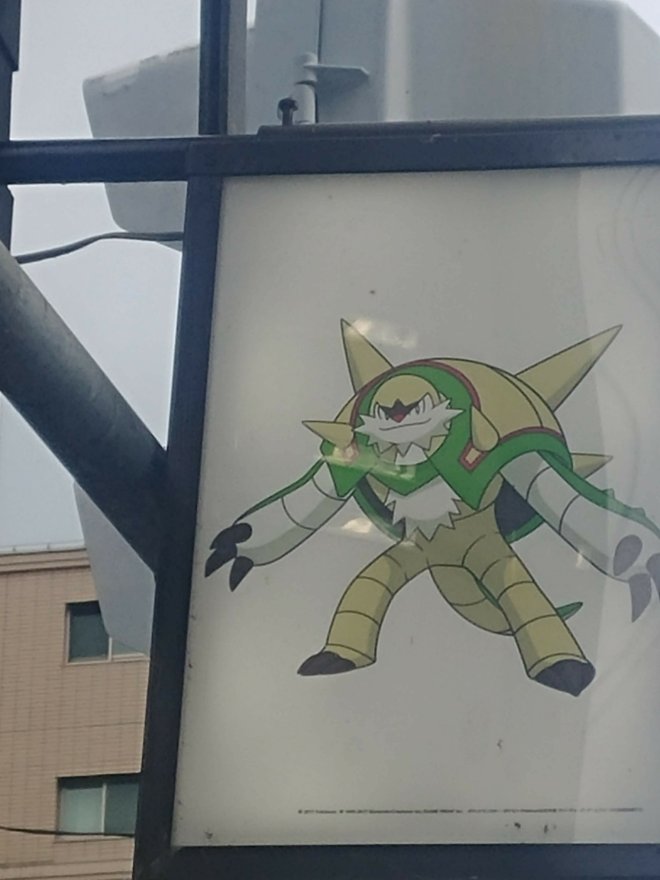
An attachment to the streetlights in Kyoto. Each light had a different character.

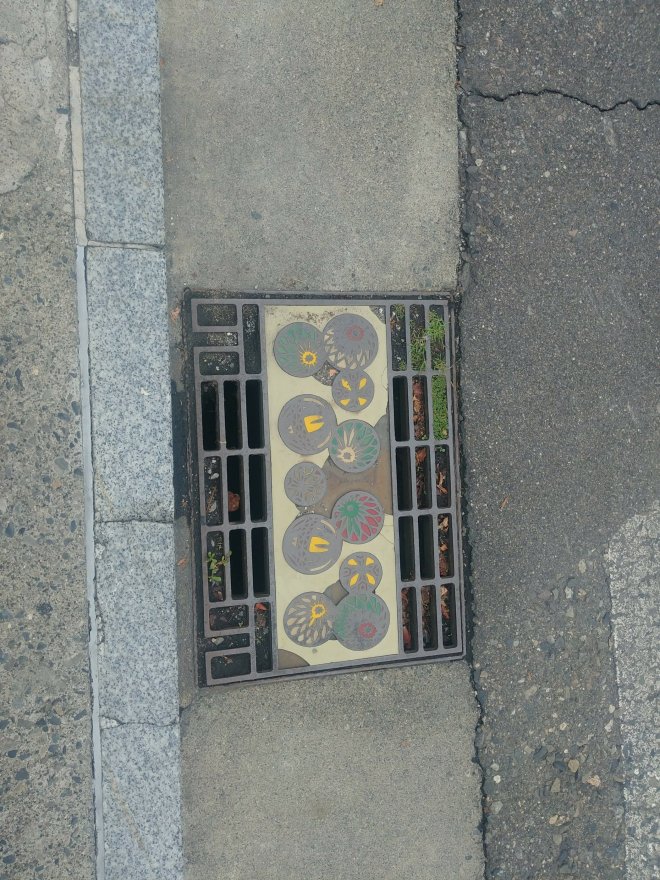
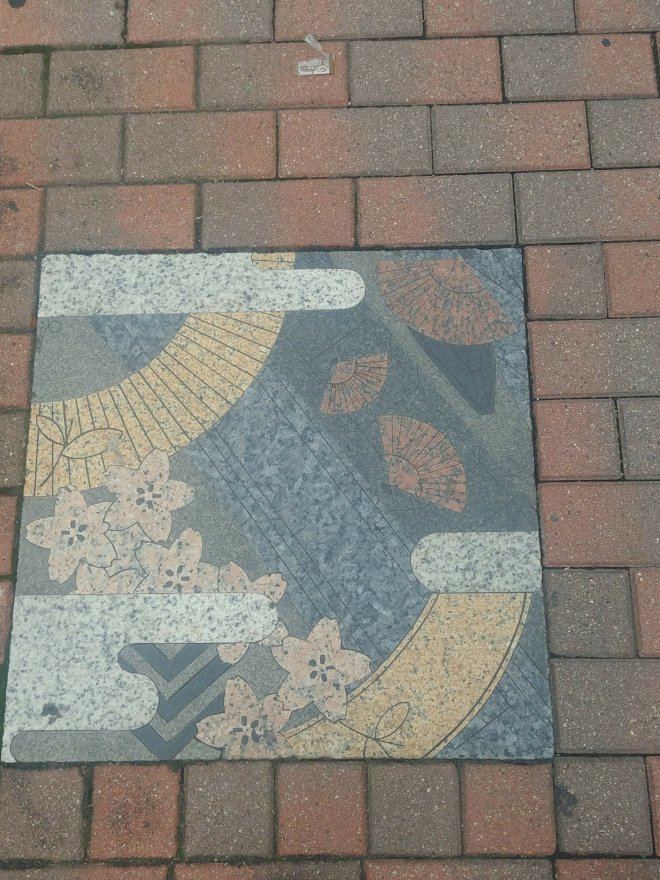
On this trip, I also collected pictures of manholes. The Japanese artistic district manholes were truly stunning.

One of the simpler manholes we saw
More street level art

Another friend collects pictures of doors and doorways. As you might imagine, she has found some beautiful examples.

If you want mementos that can be placed in a scrapbook, train and museum ticket stubs are great.

In Japan, most chopsticks come with beautifully decorated paper chopstick covers that would make great add ins to a scrapbook page.

The only limit to cost free souvenirs is your own imagination. What will you collect?

Taiko drumming, New Mexico style

Ray and I had so much fun trying out Taiko drumming in Tokyo that we decided to find classes in New Mexico. Bushido Kenkyukai is a well-known dojo for taiko drumming and martial arts. We went to an introductory class which included demonstrations by local students and practice drumming.

As usual, New Mexico artists have added their own twist to a traditional Japanese art. The New Mexico version includes more drummers, extra instruments, and special riffs that aren’t heard in Japan. Still, the foundation is traditional so it’s a fascinating fusion of cultures.

Another local group NM Taiko is also seen at local events like the very popular Aki Matsuri, a Japanese fall festival.

For practicing, since taiko drums are expensive, many artists make use of old tires coveted tightly with packing tape.


It doesn’t give the depth of sound that a real drum does but it definitely is good for an active taiko workout.

So, are you tempted to try taiko drumming?

Our Moochers at the Feeder

Birds that live in the neighborhood and those that migrate through find our backyard habitat easy pickings.

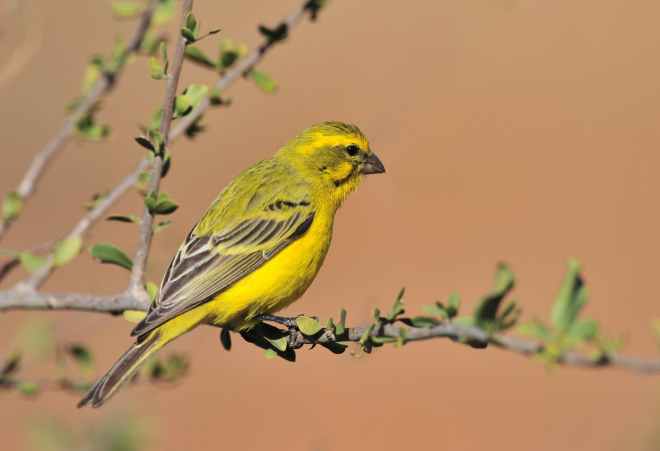
All year round, various finches (gold, house, and who knows what) hang out in a desert willow tree and empty the feeder of nijer thistle seed in a day and a half, to the delight of our nearby bird feed storekeeper.

During the winter, we add a feeder with seeds for the canyon wrens and curved bill thrashers who hang out all year.

Image result for curved bill thrasher

Pigeons and doves mop up the seeds that the more interesting (to us) birds dribble onto the ground. As do the ground squirrels. In the spring, a wide variety of hummingbirds migrate to New Mexico, so we put out a feeder with sugar water. We miss them when they migrate south at the end of September.

Image result for hummingbirds

They are aggressive little guys. They buzz one another in aerial combat and even dive bomb us when we’re sitting on the patio. We discovered one of their nests, a tiny cup, on a branch of our apricot tree.

Upon occasion, the multiple birds in the habitat swish away, none to be seen. A hawk, usually a red tail but sometimes a Cooper’s) descends and perches in the desert willow, wondering why it was shunned.

Great horned owls frequent the Ponderosa pines in the front yard. They hoot in the wee hours before dawn and deposit pellets that provide clues to their diet.

Of course, the local cuckoo darts around the habitat during warmer months.

Image result for road runner

During the winter, the road runner descends into the Rio Grande Bosque. But, like the hummingbird, returns to our habitat in the spring.

Cranes Return to the Rio Grande Bosque

This morning we took Owen, the namesake dog for this blog, for a walk in the Los Poblanos (the village) farm. Albuquerque sensibly protected crop fields along the Rio Grande Bosque from being transformed into residential real estate tracts.Los Poblanos combines working commercial fields (corn, alfalfa, and millet) with community plots where individuals can grow their own veggies and flowers. They also have a wonderful inn.

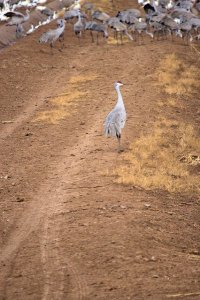
In Los Poblanos, we’ve observed road runners, a wide variety of birds, and coyotes in this diverse environment. And, during the winter, sandhill cranes.

The western flock of sandhill cranes spend most of the year in Northern Canada and even as far away as Siberia. But like many of our Canadian friends, they flee the frozen north to vacation further south in the United States.

The eastern sub-flock use the Platte River valley as a resting point before settling in for the winter in Texas. They are hypnotic to watch.

The western sub-flock follow the Rio Grande flyway into central and southern New Mexico where they settle in the river bottoms from Albuquerque south to the Bosque del Apache. We are fortunate to co-habit the bosque with the cranes from their arrival in mid-October to their departure to the north country in February-March.

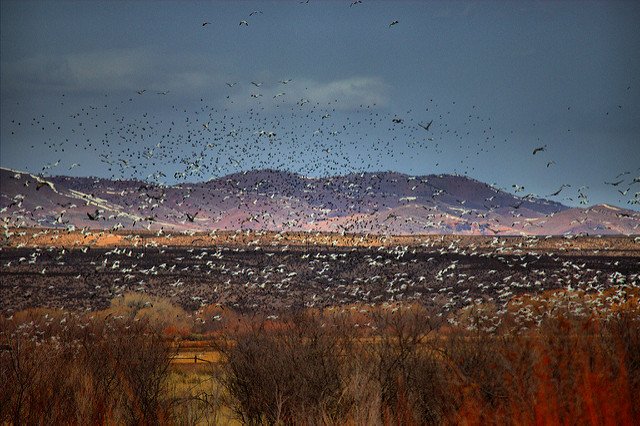
Snow geese share the New Mexico flyways with the cranes, migrating at the same time.
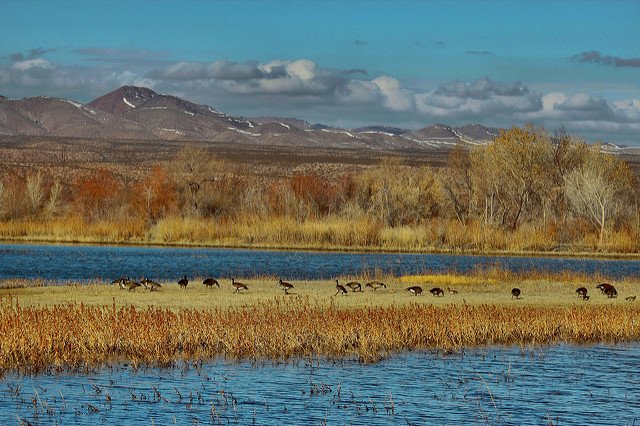
Canadian geese also hang out in the area with the cranes and snow geese

In Albuquerque, the cranes graze in the farm fields along the river and move further afield into city park land and drainage arroyos. Everywhere, they make one or another of their distinctive clicks and clack calls.

Magic doors

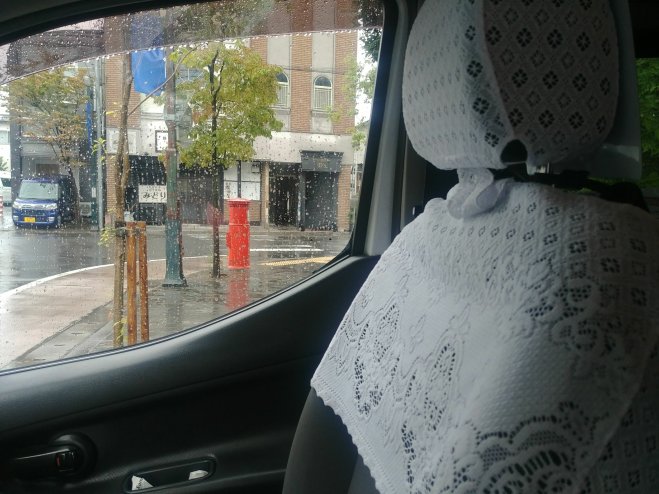
Taxis were delightful. They were always immaculate and the seats were invariably covered in white lace fabric. When it was time to get out, the doors opened as if by magic–though I’m sure it was through the driver’s command.

In Kyoto, foreigners aren’t particularly welcome as they overwhelm this small town. In that town, taxi drivers hesitate to pick ip foreigners. so a whole separate cab business has developed: “foreigner friendly taxis”. The term is emblazoned on the taxis so foreigners know that they can effectively flag these taxis down. Not surprisingly, these taxis are often driven by foreign immigrants, who often also speak English.

So would you be like me– a little worried about inadvertently soiling the pristine white interior of a taxi? (I’m a klutz by the way.)

Getting ready for a trip to Germany

Lobster is what I think of first when planning a trip to Boston.

We were planning a trip to Boston for a business meeting and said, “Hey! We’re well along the way to Europe. Let’s go!” We settled upon Germany, because Brenda wanted to finally put her German language minor in college to good use.

Lufthansa offered flights from Boston/Logan to Frankfort, so we opted to visit that area. Once there, we considered our options: travel hither and thither, staying in various places, or establish a base of operations in one place and explore the environs. We opted for the latter, eschewing the multiple unpack/pack cycle. We also travel light, so readily finding a laundry with time to use it is a must. (At least, our seatmates on the flights home would prefer it.)

The next decision was where to establish our home away from home. There’s where the DK travel guides for Germany came in handy. The Rhineland offers an abundance of pleasant towns to choose from, so we felt we couldn’t make a wrong decision. We opted for Koblenz because it was convenient to both the Rhine and Moselle attractions, and was large enough to provide lots of different fun things to do and enjoy over our stay.

What about touring the countryside? Car or train? We opted for the convenience of the German railway system. We will use their affordable and convenient rail pass to avoid dealing with auto insurance, parking, and foreign language highway signage. The train system offers direct service from the Frankfort airport to Koblenz and convenient service from Koblenz to other towns and cities that we wanted to visit. And we won’t have to worry about driving after Wine tasting our way through the countryside.

Just a few more details to take care of and we’ll be ready for our trip. What about you? Where in Germany would you like to go?