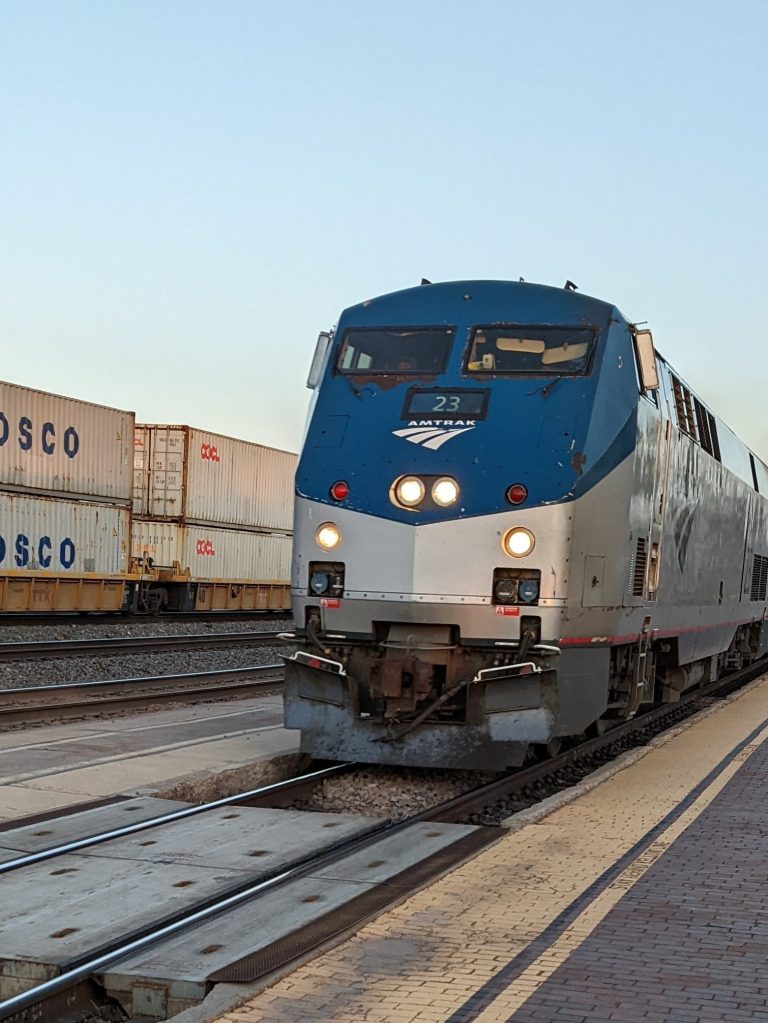
No taxis needed for Boston

Boston has a wonderful metro system so if you’re heading to downtown from the airport, and want to save big bucks, take the metro. There are shuttles for the blue line (shuttle number 22), the red line, and the silver line. The red line shuttle was free. I suspect the others are too. Although the #22 shuttle was only labeled on the outside as the bus for other terminals and rental cars, it definitely stopped at the airport metro station–before going to the rental car sites. At the metro, it cost us a whole $5.50 for two of us to get within a couple of blocks of our hotel.

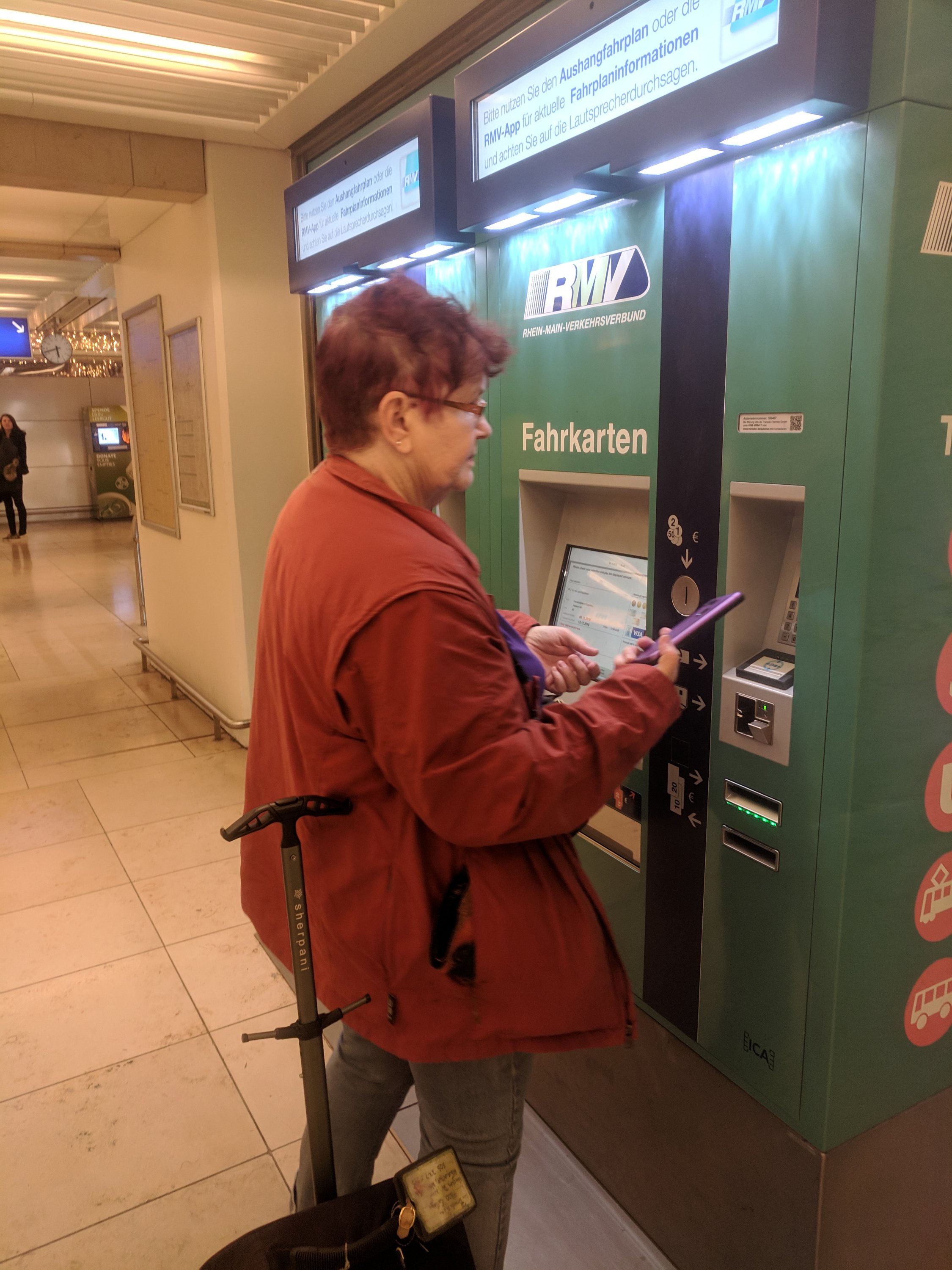
One caveat. If you buy 2 tickets together at the machine, it’ll spit out a receipt and one pass. Both people need to use the single pass to go through the turnstile. The receipt is only for your records.

At your subway stop, let Google maps take over.
If you can’t walk a few blocks or have heavy luggage, Lyft is another affordable option. Reddit users claim it’s much more affordable than taxis.

But if you are able to walk a few blocks, the Boston metro can get you anyplace you might want to go in Boston, affordably and quickly.

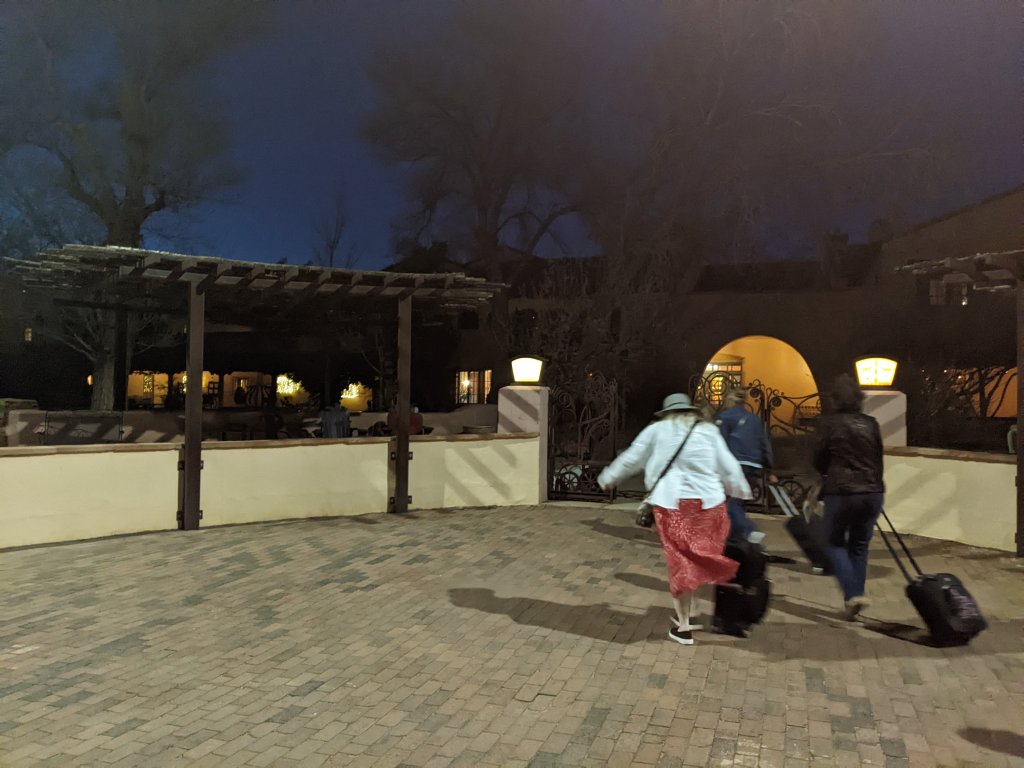
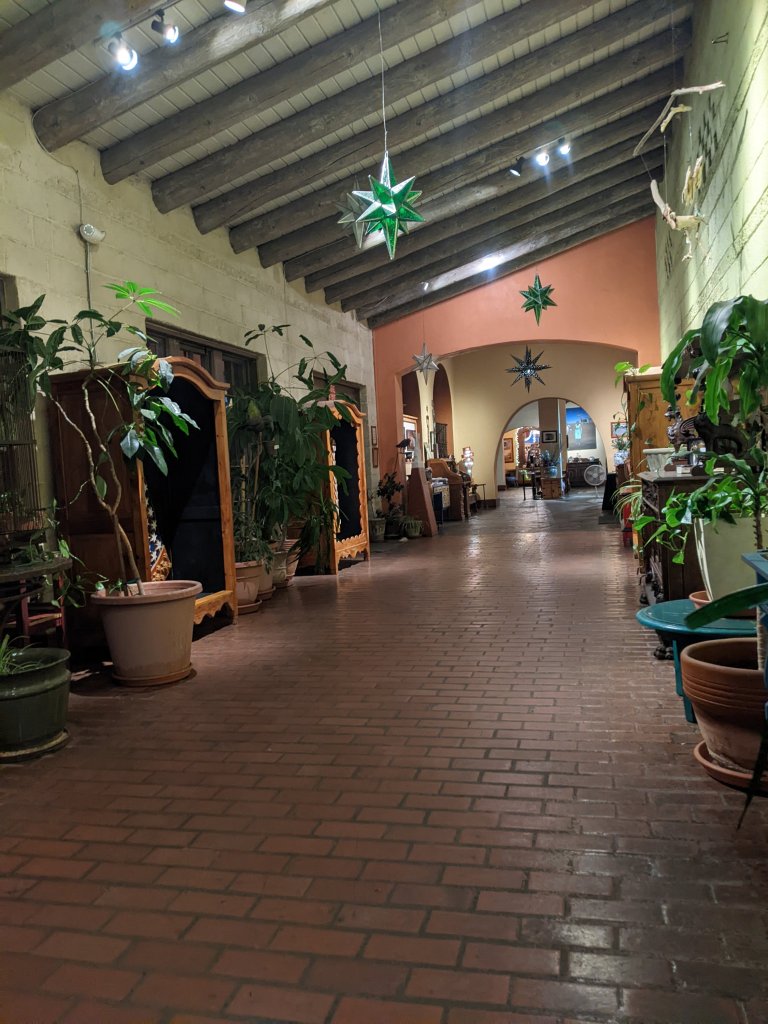
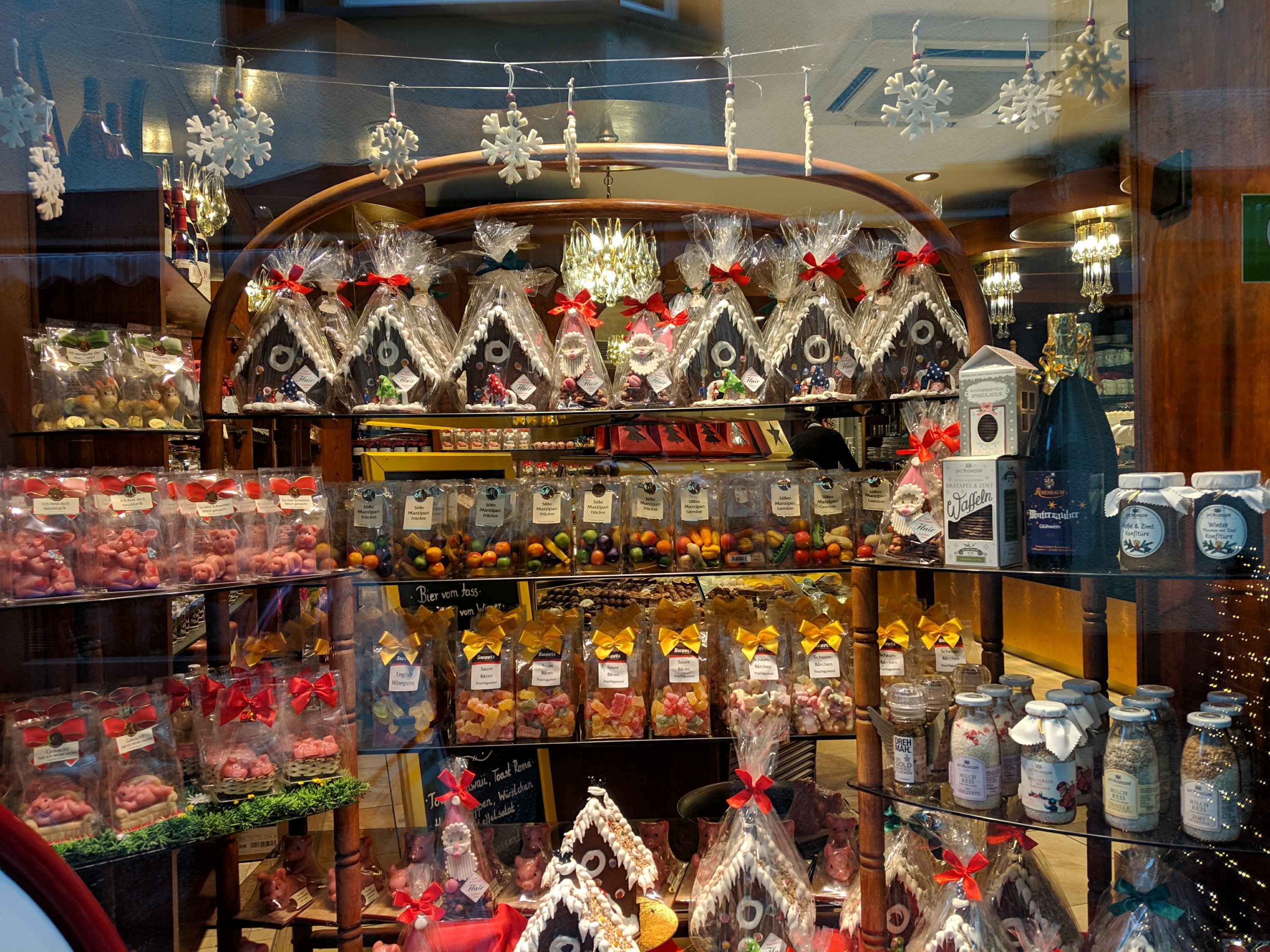
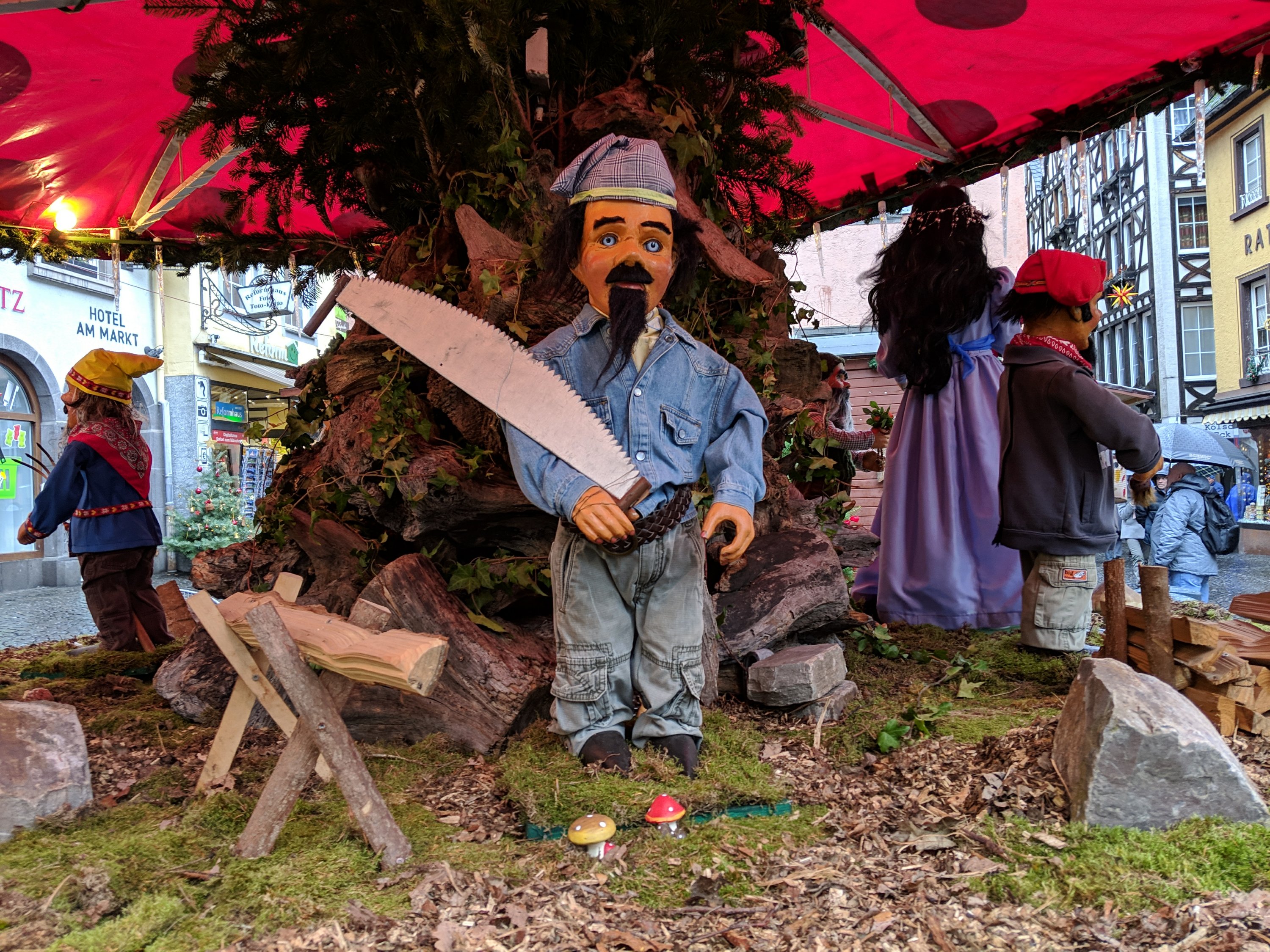
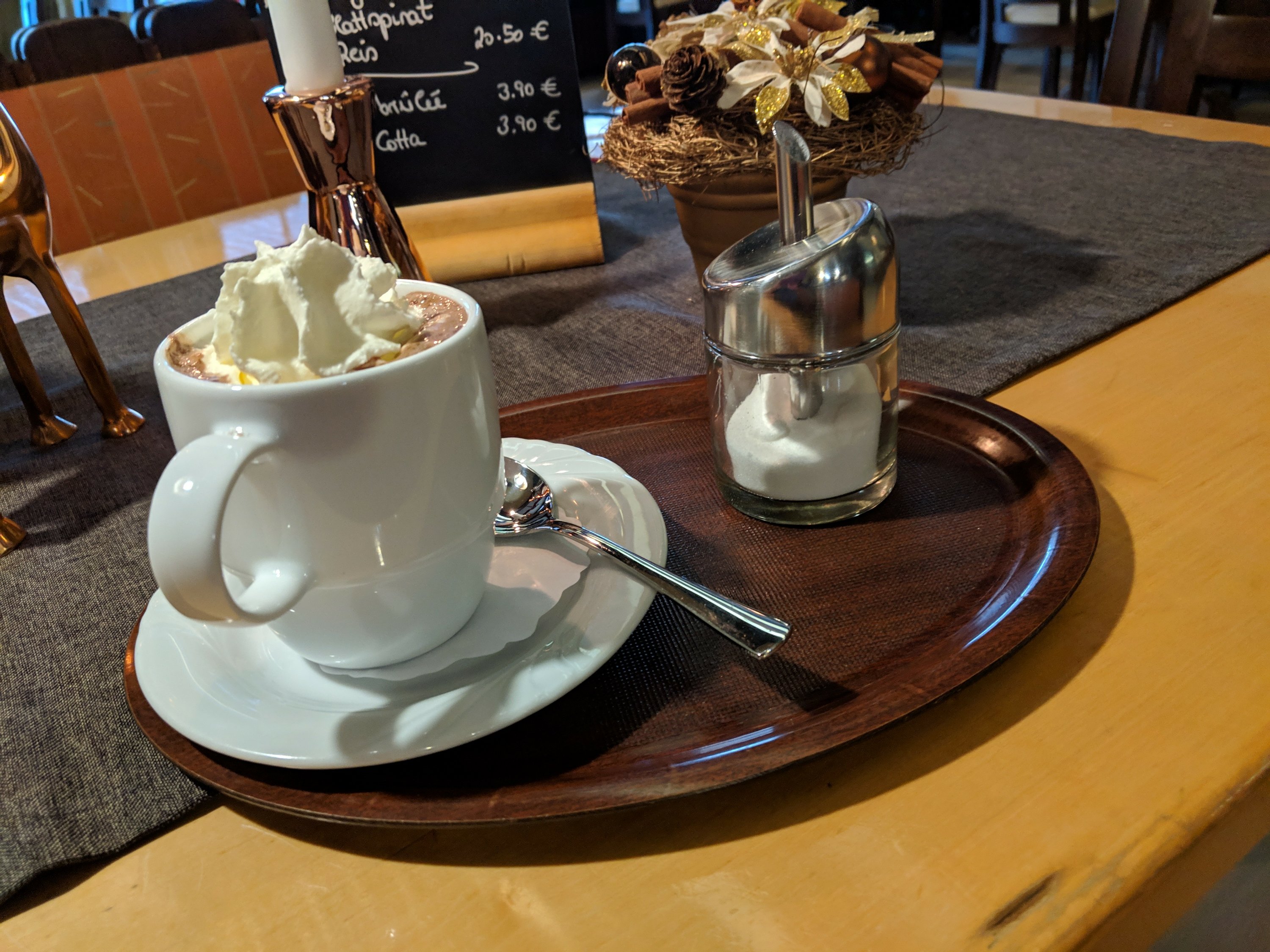
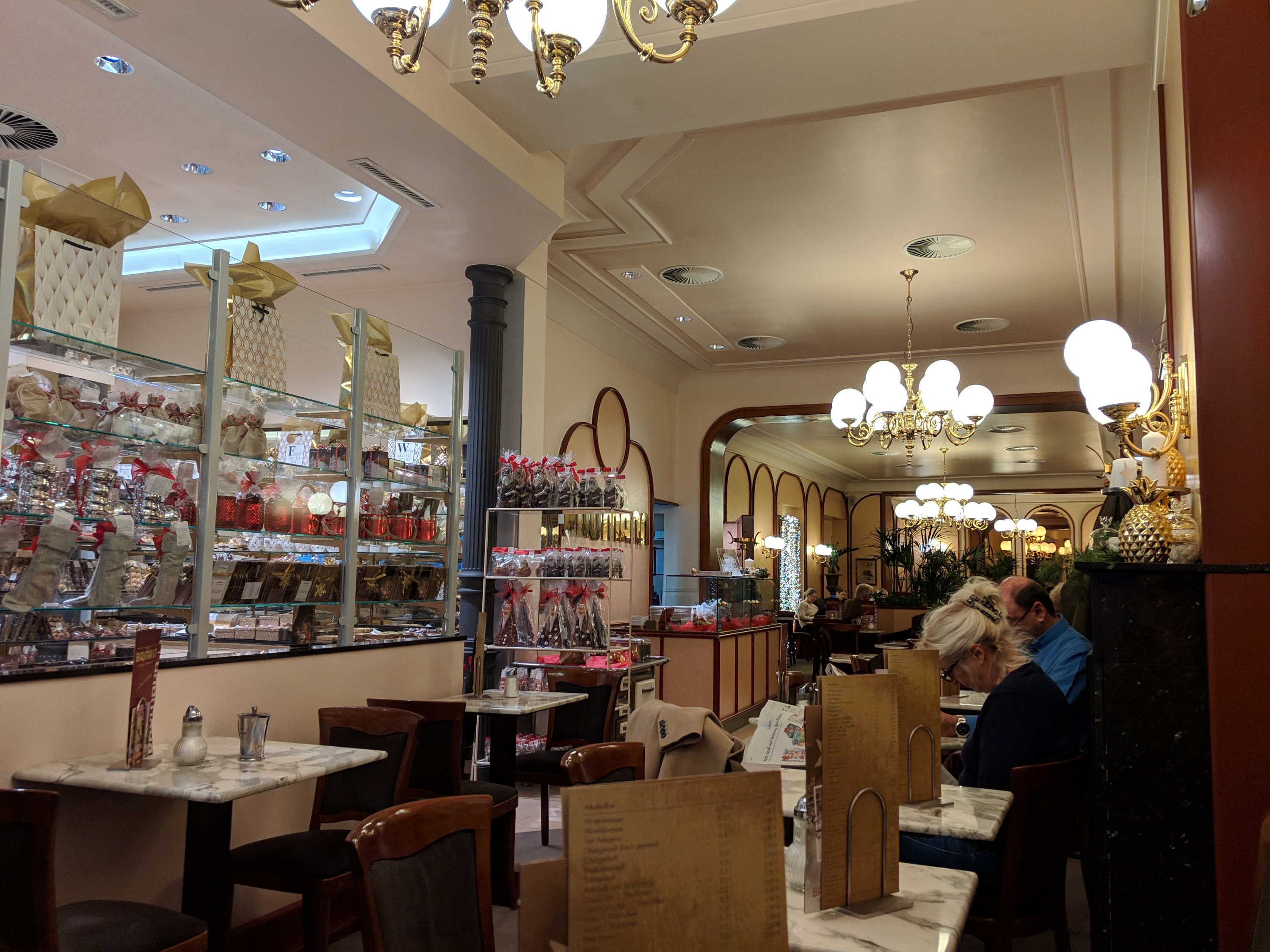
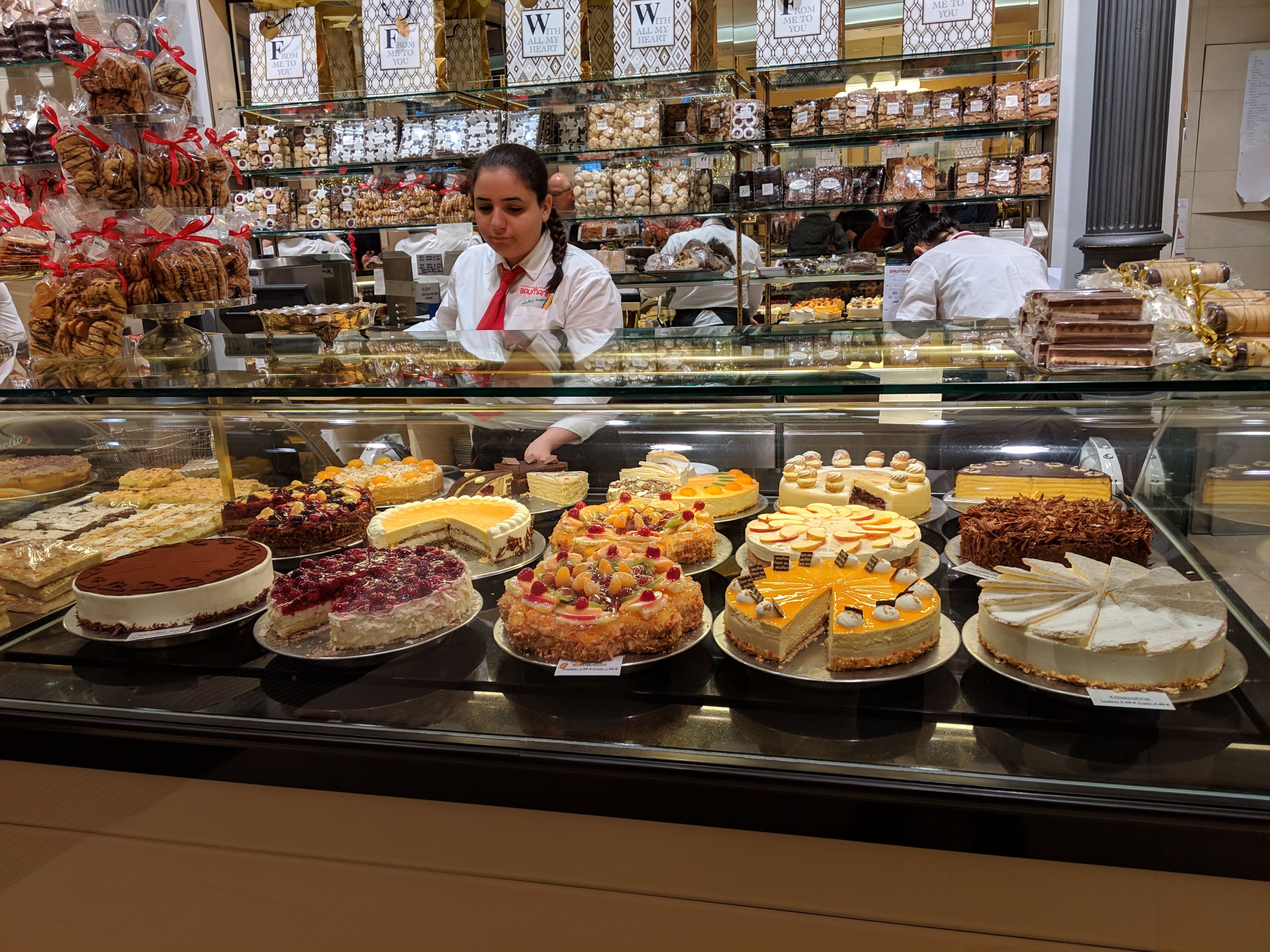
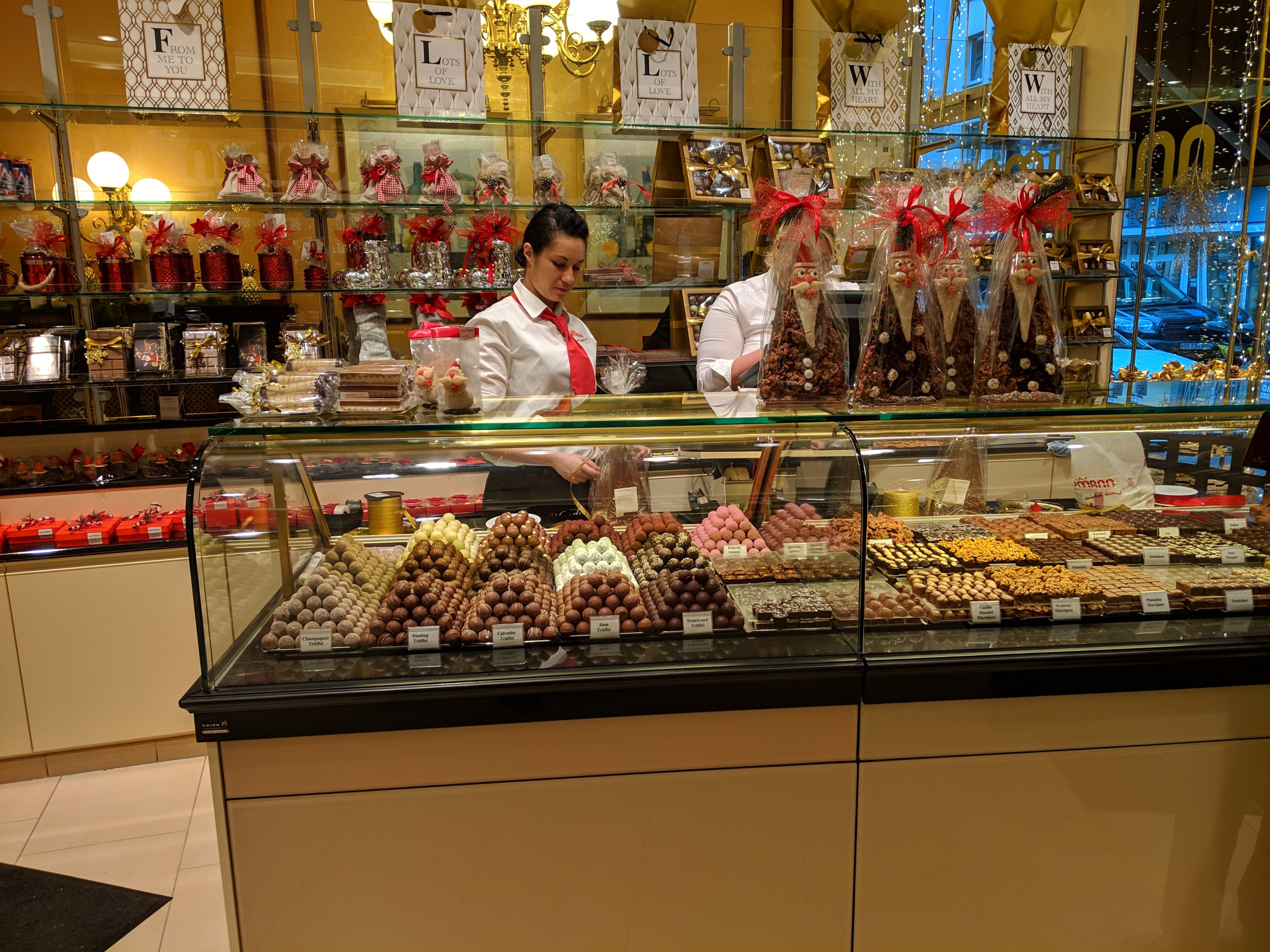
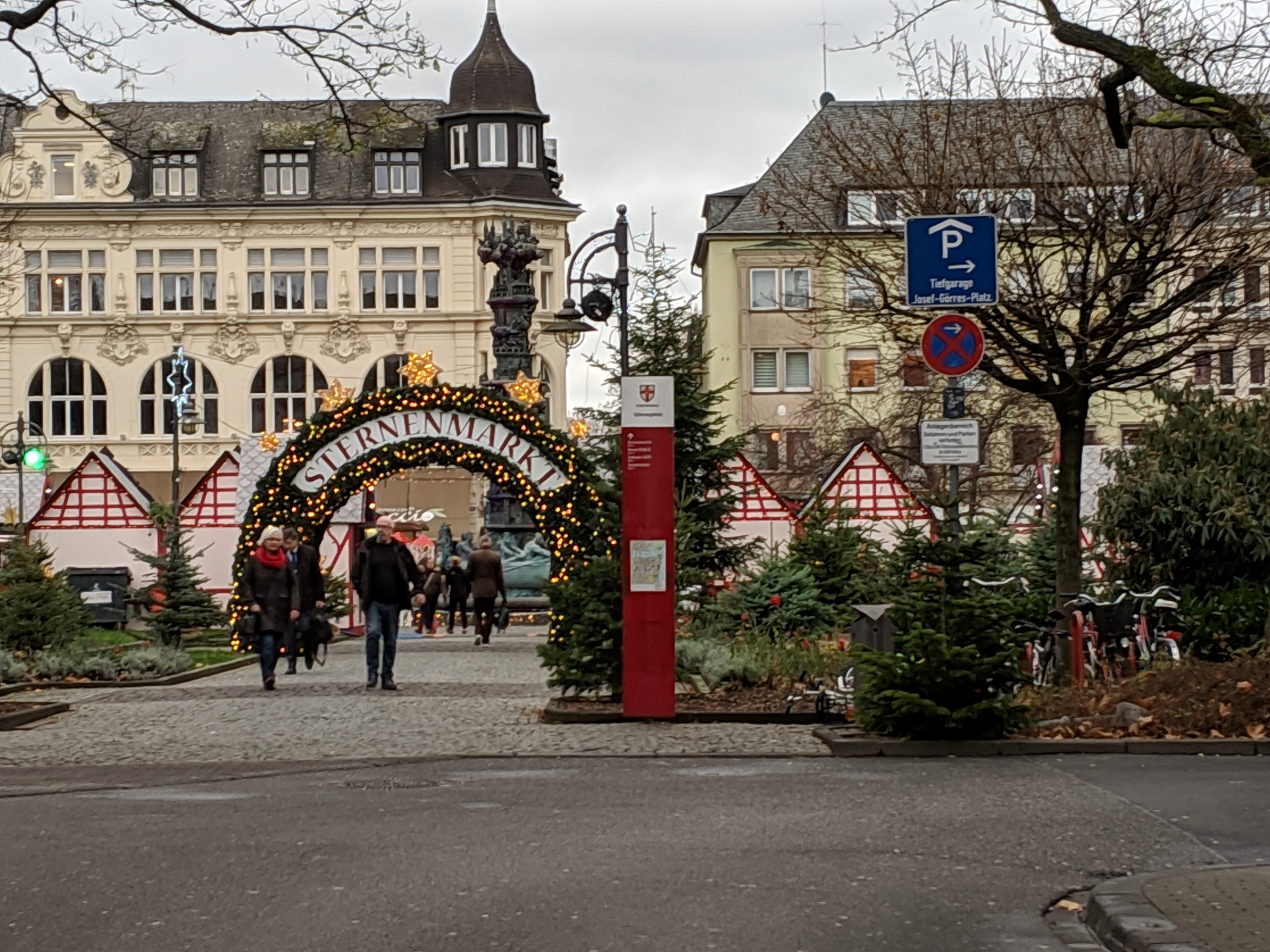
By the way, Boston, including our hotel, is all dressed up for the holidays. And the Omni Parker House is the birthplace of Boston Cream Pie and Parker House rolls. Want to try them?

By the way, if you’re planning an Omni hotel stay, sign up for Omni select so you don’t get charged a big (about $10/day) internet fee.

Project Fi coverage is travel heaven

The Google project fi network makes finding maps for foreign locations, subway train schedules, and other minutia of travel a breeze. Because the network works in 170 countries without additional fees, a happy traveler doesn’t need to search out Wi-Fi hot spots, buy sim cards, or rent a mobile phone to stay connected.

Seriously, if you’re a frequent international traveler, switching to the go network may be the smartest move you could make. Going to Japan and don’t speak Japanese? Google translate and google navigate to the rescue.

While most countries are open to Google, China is the notable exception. Also, a few countries have restricted access to some Google services (YouTube, Gmail, Blogger, Maps). Those countries include: Crimea, Cuba, Iran, North Korea, Sudan, Syria. In those rare cases, you’ll want to use these travel tips.

Also, although the excellent Google pixl phones are the best known equipment that can be used on the project fi network, there are a host of other unlocked phones that work. And right now, Google is offering deals on it’s latest pixl models.

The project fi pricing scheme is great for either heavy data users like me or lighter users like my husband. Plus, the coverage is great. Ray almost always has better coverage with project fi than my t-mobile phone, and t-mobile has good coverage.

So are you ready to make the switch? As we’re anticipating more foreign travel, I’m making the changeover.
It’s ok. Drink the water
After years of traveling to destinations where drinking tap water was unsafe, it was a luxury to be in Japan where the tap water is safe to drink, use to brush your teeth, and wash your fruits and vegetables. Even the water in park fountains was considered safe to drink. Amazing!

Now that I’m heading to Germany, I was pleased to see that many European destinations also have safe tap water for tourists. Since a few still don’t, check this infographic to be sure.

Surprisingly, even though German water is safe for residents and tourists alike, most Germans drink bottled water. But it is nice to not worry when I brush my teeth that I’ll need the Imodium in my emergency travel pharmacy.

As more countries improve their water infrastructure, bottled water may eventually become a travel story from history. But until then, always check, as many tourist destinations like China, Mexico, Morocco, and Thailand, still recommend bottled water for tourists. And remember. If tap water is unsafe, use bottled water to brush your teeth, don’t eat salads or street food, and avoid fruits that can’t be peeled.

Duolingo with Owen

I try and learn at least a little of the local language before traveling to a foreign country. For Japan, even though I was with a group, I learned some Japanese. For Germany, I am trying to bring back my once excellent German–ressurecting it from an almost dead state. For both trips, I used the Duolingo app to practice.

While the cute little owl, Duo, is cute, that isn’t enough to justify the success of this language app. According to Wikipedia, “As of October 2018, the language-learning website and app offer 81 different language courses across 37 languages. The app has about 300 million registered users across the world.”

What I found

I like Duolingo a lot for reviewing German. I found it useful but not as good for Japanese. The difference was that in german, I had a basic grounding in the language so I had an understanding of the grammar and sentence structure. In Japanese, I had nothing, and between that lack, and the inherent difficulty of learning a language with multiple character sets, I found Duolingo helpful but incomplete for learning Japanese.

Based on my experience, I would add a copy of the “Idiot’s Guide to (insert language here)” to Duolingo if learning a language from scratch. Those guides provide a solid grounding in the language fundamentals and grammar. Combined with the Duolingo app, they provide everything you need to learn a language.

If you’re reviewing a language where you have already learned the basics, like me with German, Duolingo can be used as a standalone language learning tool.

In either case, duolingo is a fun, free (with ads), app that can help you get ready for your next travel adventure.

Japanese Fashion–Art on the Runway

Issey Miyake dress

I will admit that when I went to Japan, I was only familiar with a handful of their many famous clothing designers. Since I love perfume, I was familiar with Kenzo, and Miyake since they had crossed over into perfume. But we’re missing some fun, sometimes outrageous, other times stunningly sculptural clothes, if we ignore Japanese fashion designers. Check out this exhibition from the Metropolitan museum, for example. Make sure you click through the pictures; they are exceptional.

Many of Yohji Yamamoto’s clothes use historical references as part of new designs

The newer designers have a lighter, younger style. Check it out here:
https://theculturetrip.com/asia/japan/articles/top-10-japanese-fashion-designers-you-should-know/

So do you like Japanese fashion? Or just enjoy the detailing but would never wear it?

Not just Paper

We tried origami while in Japan. Unfortunately, ours weren’t as tidy as this one but we had fun. Since then, I’ve discovered several sites with easier orugami. The sites are meant for kids but we all know that I’m a kid at heart. These sites are a great place to start an origami journey.

I made this origami fish for my youngest grandson and I’m happy to say that it came out well and that he loved it. Origami animals are always a hit with grandchildren and these are easy enough for beginners. These photo tutorials are for slightly more sophisticated origami but are so clear that anyone can achieve them.

So are you going to try making origami?

Owen & NM Green Chiles

Owen’s job around the homestead is security, and he takes it seriously. No trash/mail/delivery truck goes unnoticed and un-barked at. The sound of their jaengines arouse him to race through the house to the front gate, grumblings in his basset-derived chest. But, Owen also keeps the ground squirrels from raiding our green chile patch.

We set aside a small part of the backyard for flowers and a few New Mexico green chile plants. The rest is a place for indigenous flora and fauna of the high Chihuahua Desert to play out the roles prescribed by nature. New Mexico is renowned for its green chiles that the locals use to season stews, and add zest to other recipes.

The chiles from the area around the farm town of Hatch in the Mesilla region on the lower Rio Grande River have trademarked their product.

However, Hispanic farm communities throughout the state claim unique properties to their chiles and preserve the seeds that have been passed down since the Spanish introduced chiles into New Mexico centuries ago. LINK

And not just the Hispanics are aficionados of the chile. A Jemez Pueblo friend gave me a chile that had been passed down in his family since the mid-18th century.

Jemez State Monument, preserving the ruins of a 17th century Spanish mission and 13th century Indian pueblo,

The peppers from those seeds rated 10 (maximum hot) on the chile heat scale. Chefs around the state compete for the blue ribbon at the state fair that is awarded to the best green chile cheeseburger. Owen loves green chile cheesburgers.

Locals buy their stash of green chiles at supermarrkets, road side stands, and at the farm. In early fall, the air is filled the scent of chiles being roasted in store parking lots and roadside stands.

Roaster

We harvested a few chiles from the three plants in our garden.

We popped them under the broiler.

Turned them every few minutes, and out they came, ready to be peeled, de-seeded, and ready to be added to home made green chile stew.

Owen finds the chiles uninteresting as a diet item, but the green chile cheeseburgers are a hit with him.

Roadie in Our Habitat

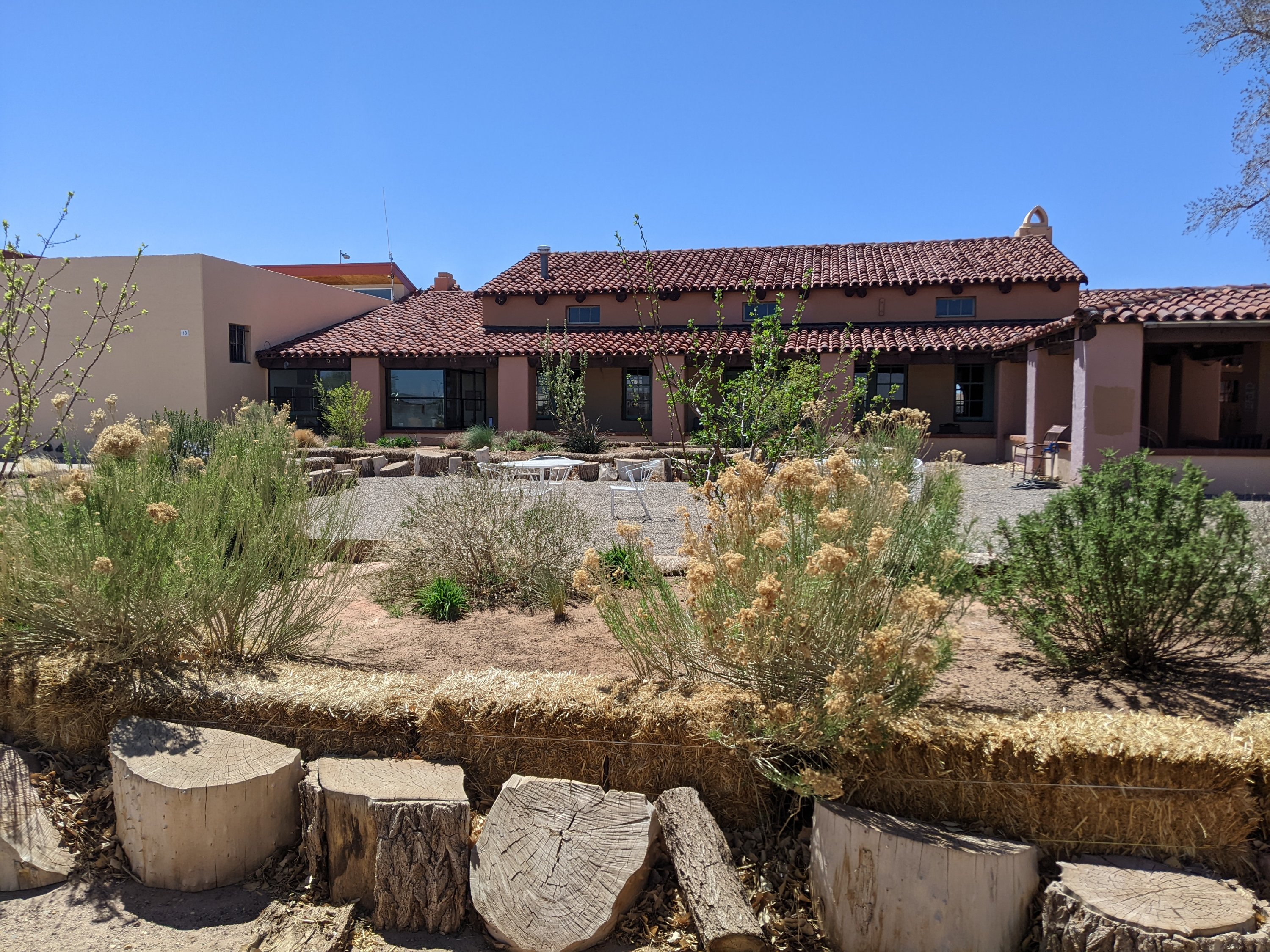
Our approach to our backyard garden was to minimize our toil and, because we live in the high Chihuahua  Desert, water.  Our solution was to establish a backyard habitat populated with plants indigenous to this desert country. Two types of cacti were already thriving — a claret cup and a cholla.


We planted a few more specimens. This one is an early bloomer.

This claret cup cactus is nestling with a sage brush plant.

We added small agave of various types, and, over the years, they have flourished and created a fence of agave.

Salutary neglect along with Nature has produced a habitat in which lizards, bugs, birds, pollinators, and the occasional coyote make their living.

One of our favorite visitors is the roadrunner, a member of the cuckoo family.

Greater Roadrunner (Geococcyx californianus), Arizona, Perched on cholla cactus branch, With mouth wide open, Large crested terrestrial bird of arid Southwest, Common in scrub desert and mesquite groves, Seldom flies, Eats lizards, snakes and insects

Roadie hunts lizards, bugs, nestlings; an opportunistic feeder. Roadie also hops onto our patio and peers through our sliding glass door. It’s as though he knows he’s safe behind the glass, and it appears he enjoys tormenting the cats and dog. “Roadie” is in Owen’s canine vocabulary, along with “mail truck” and “trash truck.” When we call out “Roadie!” Owen races to the patio door growling.


Roadie, our name for whatever individual hunts lizards and bugs in the habitat


Cats, Dogs, Wine, and Sushi

Before we travel, we try to eat and drink things that we’ll encounter in the place we’ll be visiting. For Japan, that was sushi and sake.

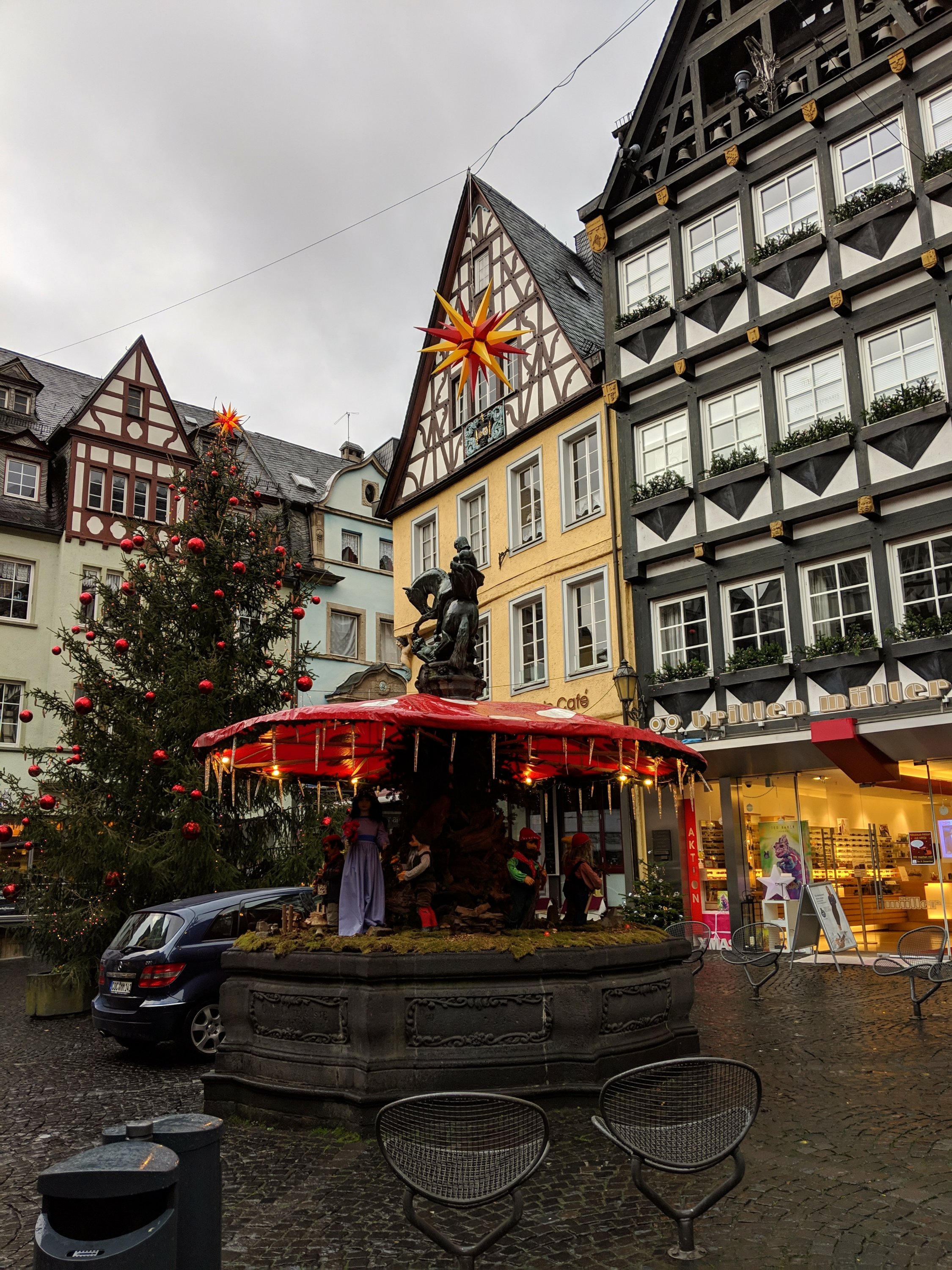
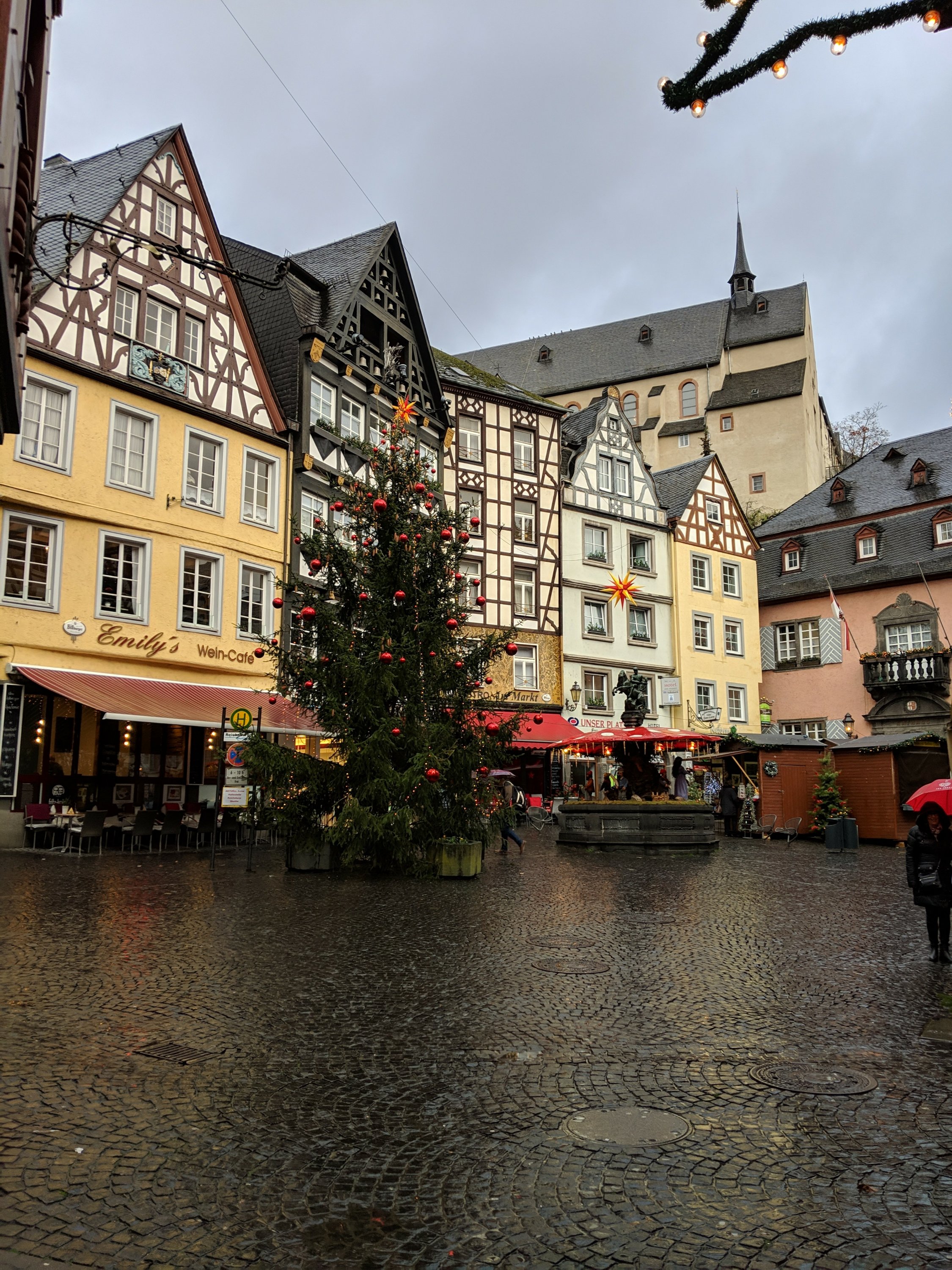
For Germany, we’ve been trying out wines from Moselland, as that’s where we’ll be traveling and wine tasting.

This cat bottle had to be purchased!

We got an order in from Total Wine. The cat bottle wine was surprisingly good. I bought it for the bottle since I love cats. (I have two. And a dog.)

More wine for testing
We’re still drinking!
One of the cats from our house. Madeline.

As you can tell, I’m crazy for furry animals. I take way too many cat and dog related pictures on our travels.

Cats stencils in a window in Japan

But my own pets are my favorites– with or without wine and sushi.

Owen, our wonder dog
Skye is always smirking

Procuring German Railway Passes Was A Breeze

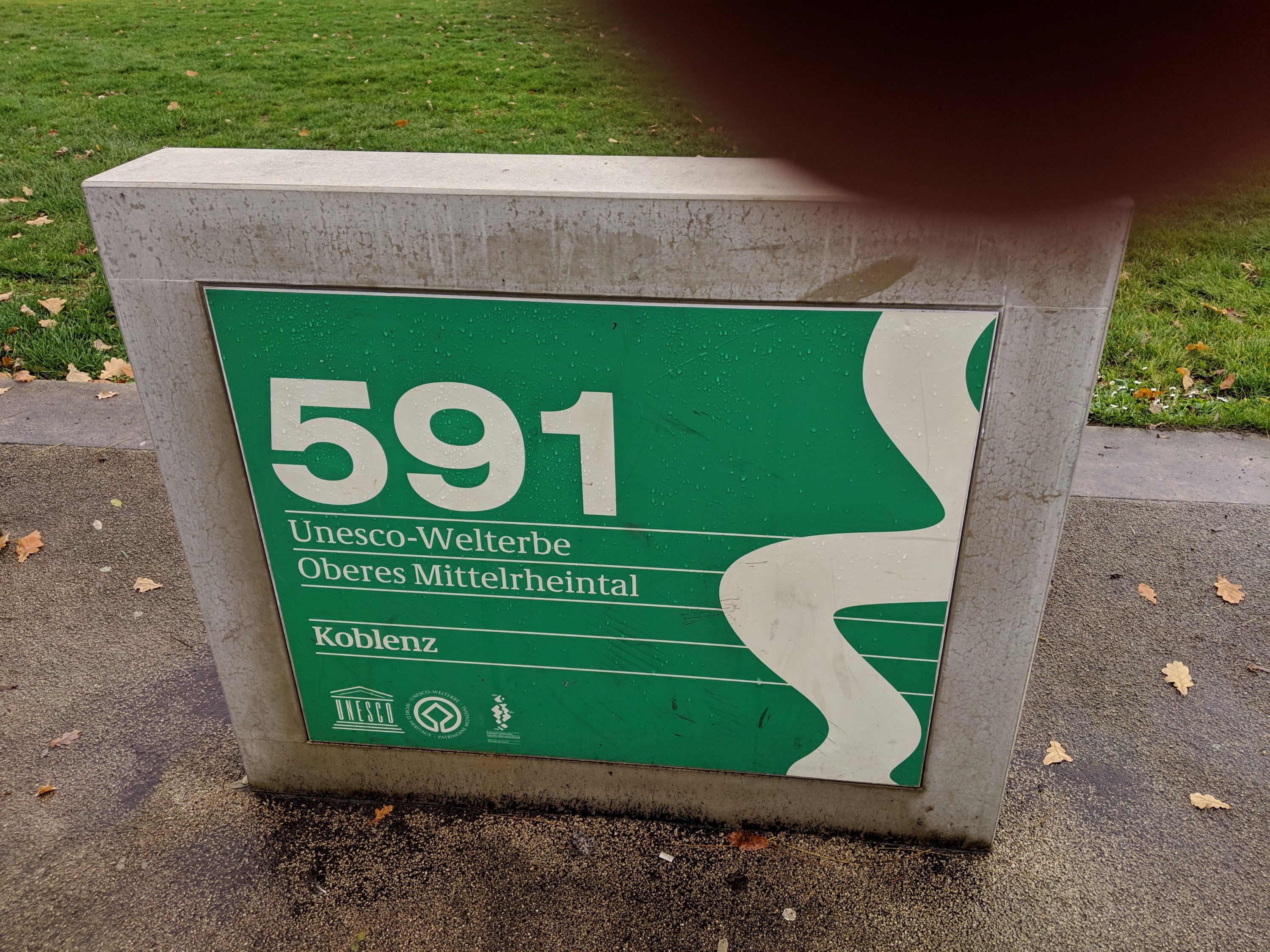
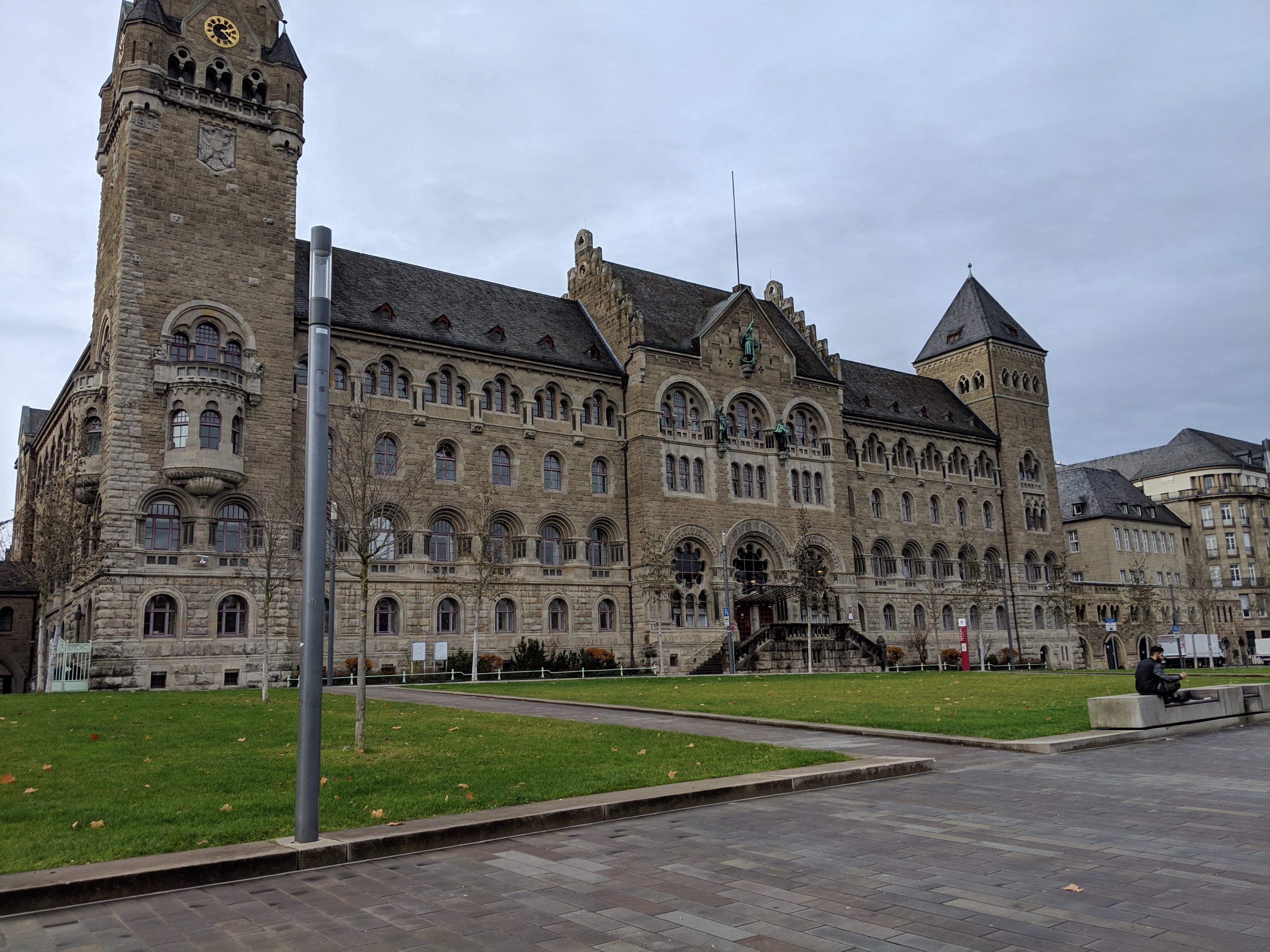
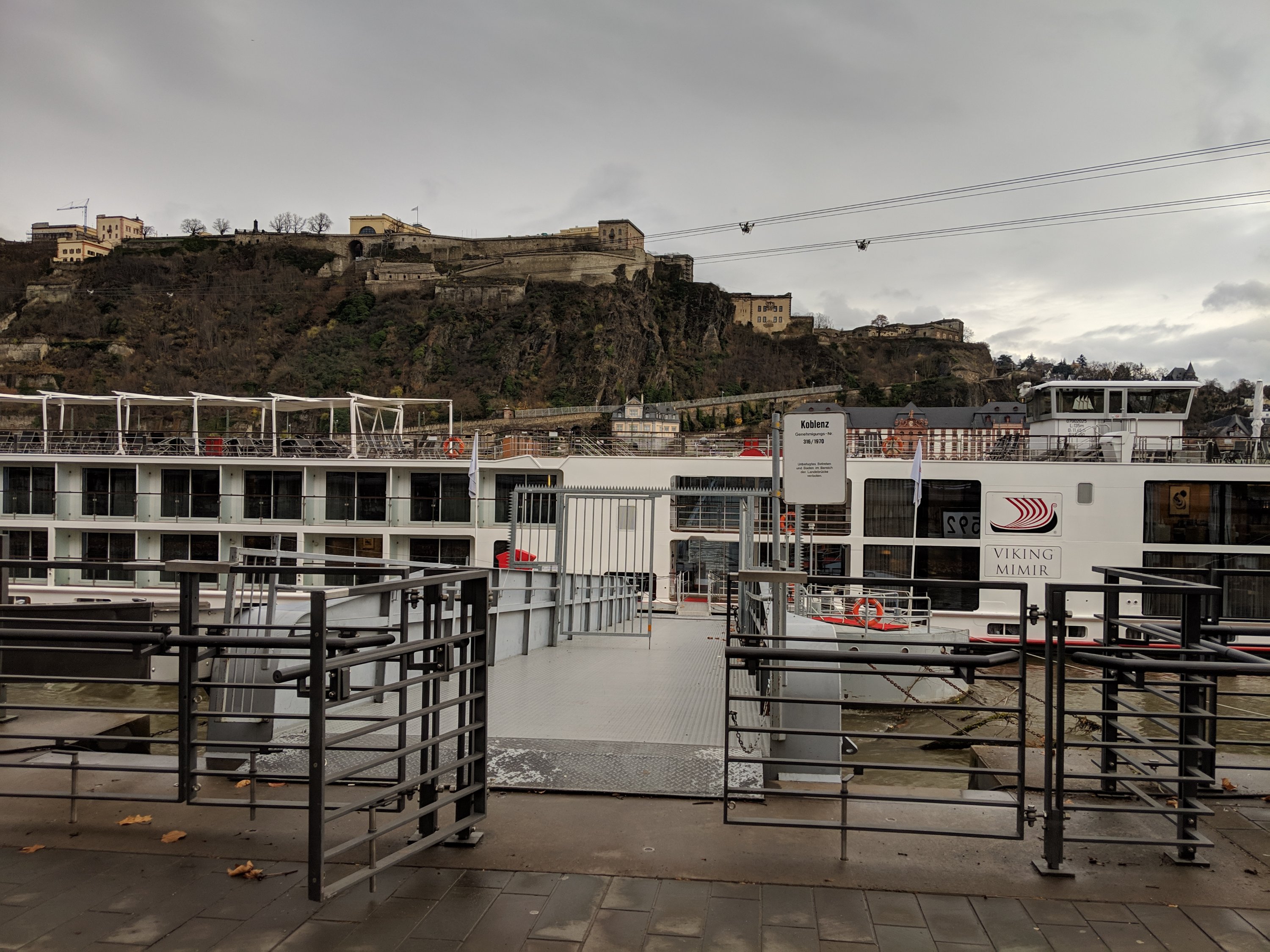
To simplify the logistics of our upcoming trip to Germany, we decided to stay in one hotel for the week that we’ll be there and make day trips to other locales. We selected Koblenz as our base because it was at the confluence of the Moselle and Rhine Rivers. Link

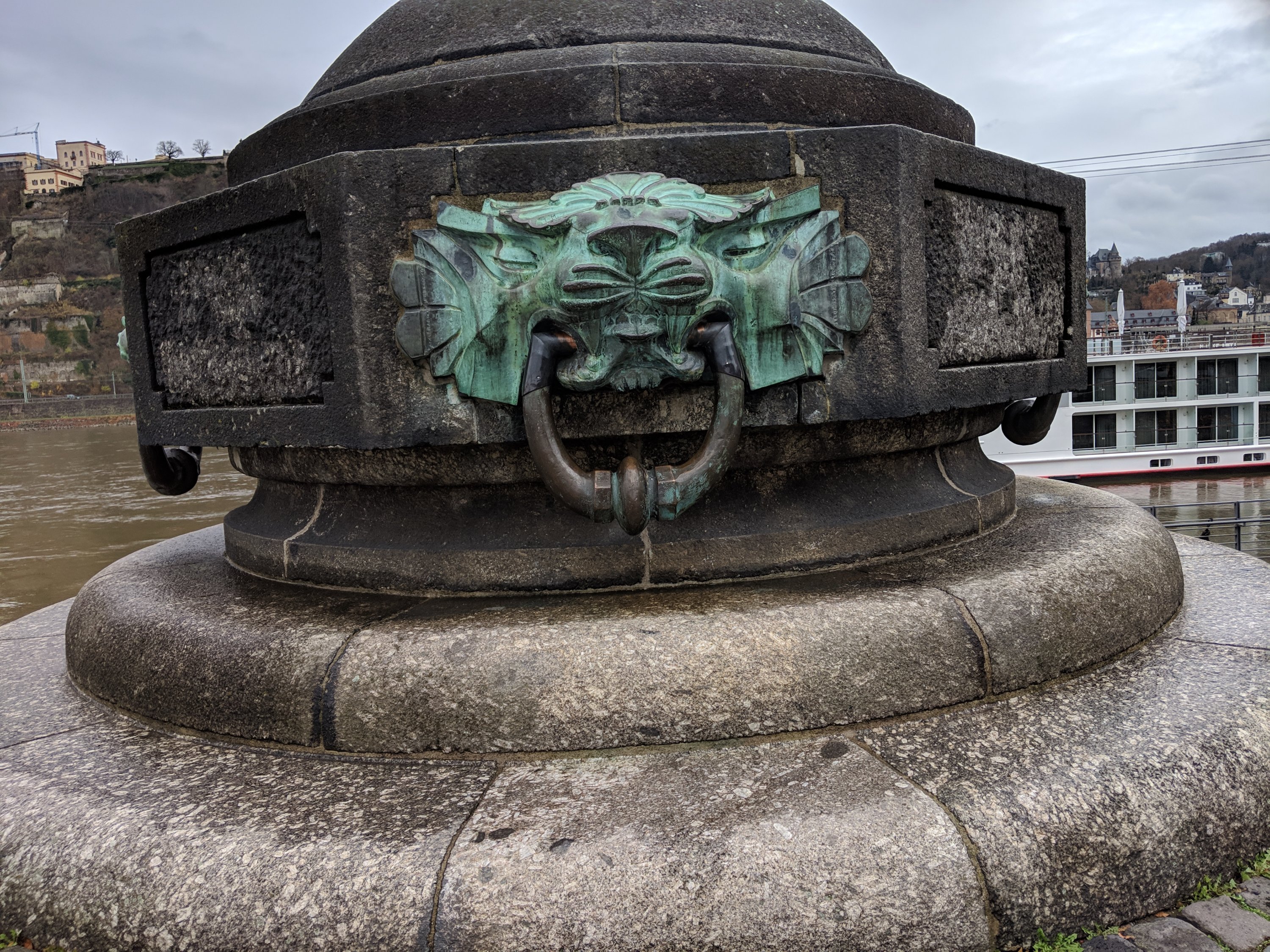
The German Corner, view from Ehrenbreitstein fortress - Foto: Koblenz Touristik

The German Railroad (Deutsches Bahn or DB hereafter) posts its schedules online. Link We found that the DB  provides direct service from the station at the Frankfurt Airport to the main station in Koblenz. The ride takes a little more than an hour and was much more convenient than renting a car.

Examining the schedules for Koblenz, we learned that DB provides morning departure and afternoon return times to the cities and towns that we wanted to visit. We decided to use DB for our day trips as far as Koeln and Luxembourg and as nearby as the Moselle and  Rhine country wineries.

DB offers several types of railway passes for tourists on its website. We opted for a pass designed for non-Europeans  that provided seven consecutive days of train travel. Moreover, DB was offering a autumn season discount! We  ordered our tickets on the DB website and printed them out at home. When we board the train in Germany, we merely show the passes and our passports to the attendant.