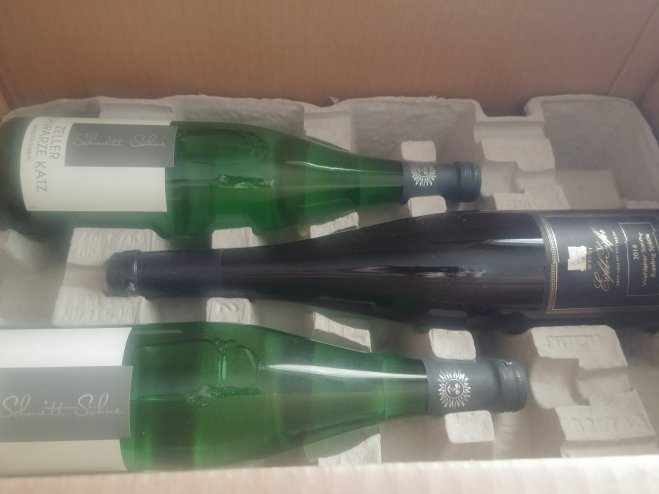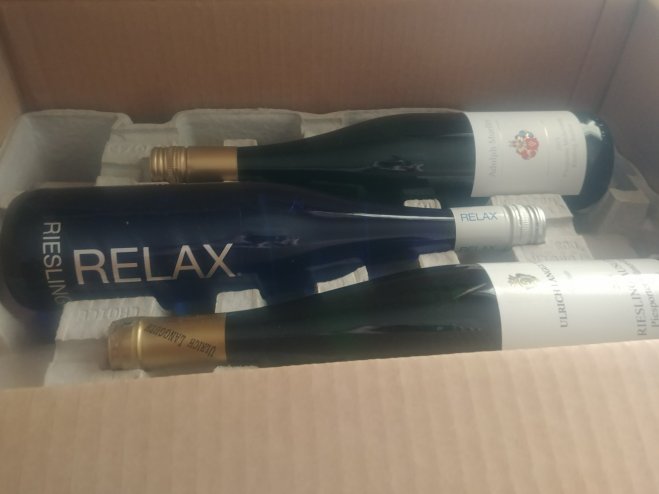
I have never had apple juice that tastes as good as this from Nagano, Japan. It tastes like biting into a fresh apple, without the effort, of course. I drank a whole bottle in one day because it was so amazing.
They also make a Fuji apple sake that tastes like fresh apples, but with an alcoholic kick. Yum..
At the train station arriving in Nagano, a delightful Japanese town that hosted the 1998 winter Olympics.
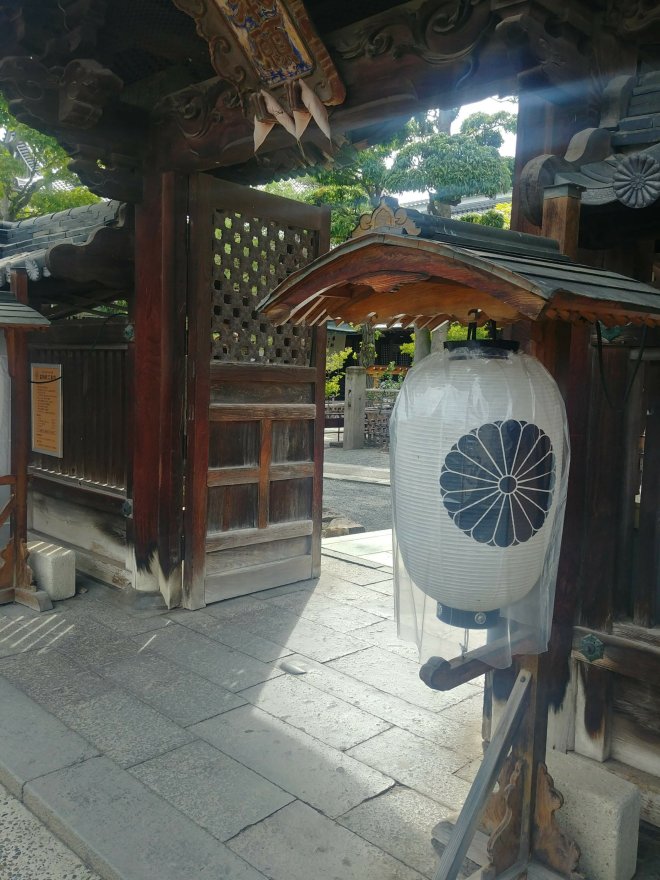
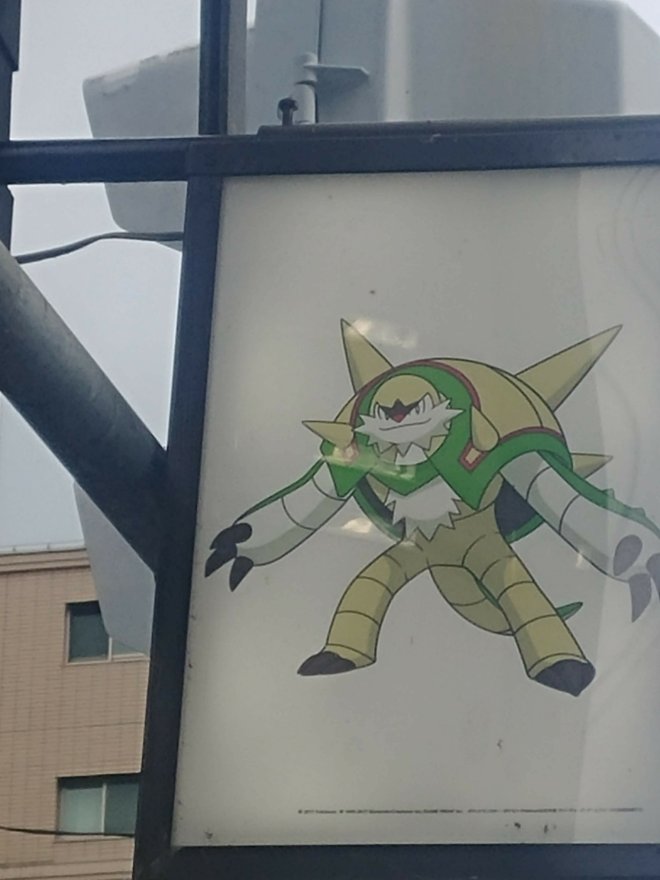
These are cool statues along the access road to the shrine.
We were drooling as we passed the shops with their food samples in the windows. This is the restaurant we came back to for soba. Yum.
There is a 7 springs hike nearby.
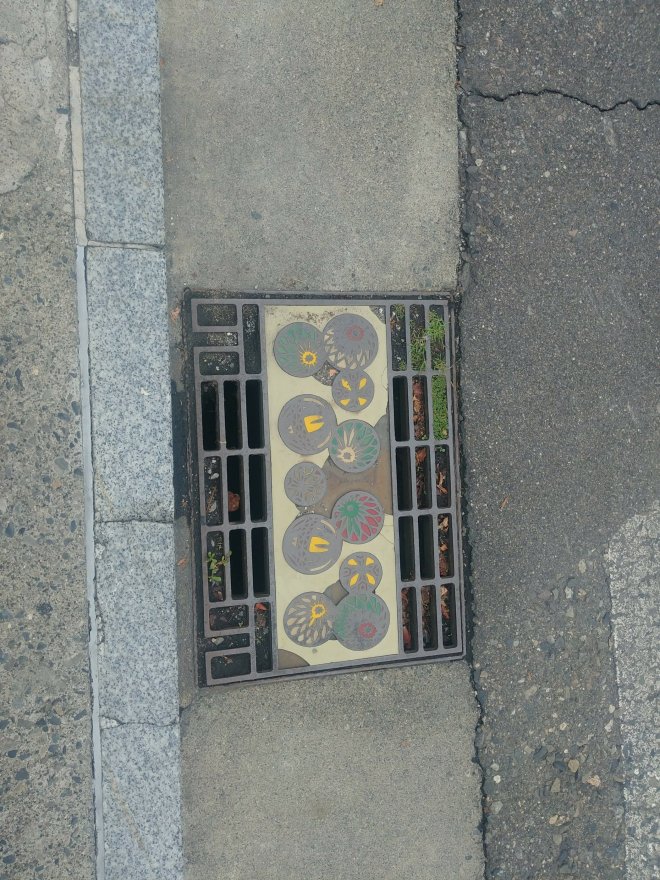
And here is a gorgeous hand painted manhole cover celebrating the famous apples from the region. They are deservedly famous. I became addicted to the fresh apple juice, apple sake, and fresh apples.
A mn so outlines the sacred places at the temple.
The beautiful shrine appears embraced by the trees.
A fruit stand where we bought one of the famous apples.
Nagano was one of my favorite places in Japan. I think it was the apples. Do you have a favorite place in Japan? Where?
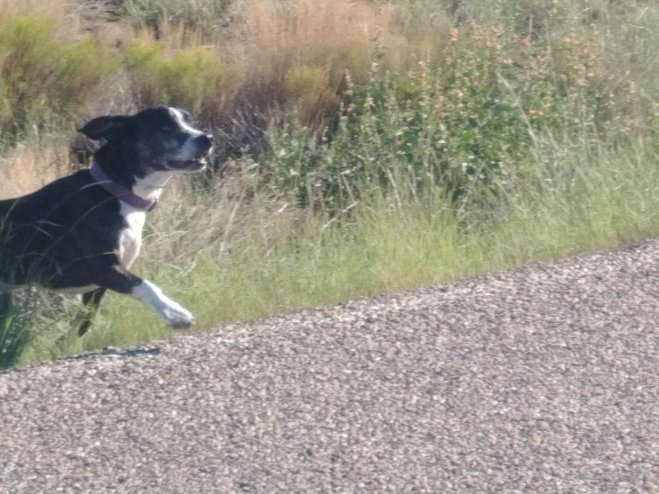
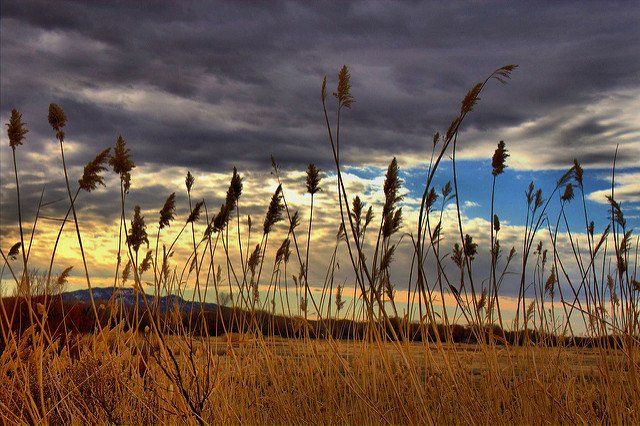
During the summer, it’s more comfortable to take my routine three to four mile hike along the river at dawn, when the air is still cool. Owen the wonder dog usually accompanies me. He’s more interested in checking out the bushes along the way than watching the sun rise over the Sandia Mountains and light up the Rio Grande River valley, however.
At first, the valley remains in shadow while the sun climbs the east slope of the mountains.
As the sun crests the Sandia, the atmosphere refracts the sunlight into the red and gold colors of the spectrum.
The water fowl along the river banks quack, honk, and screech as with the coming of the day.
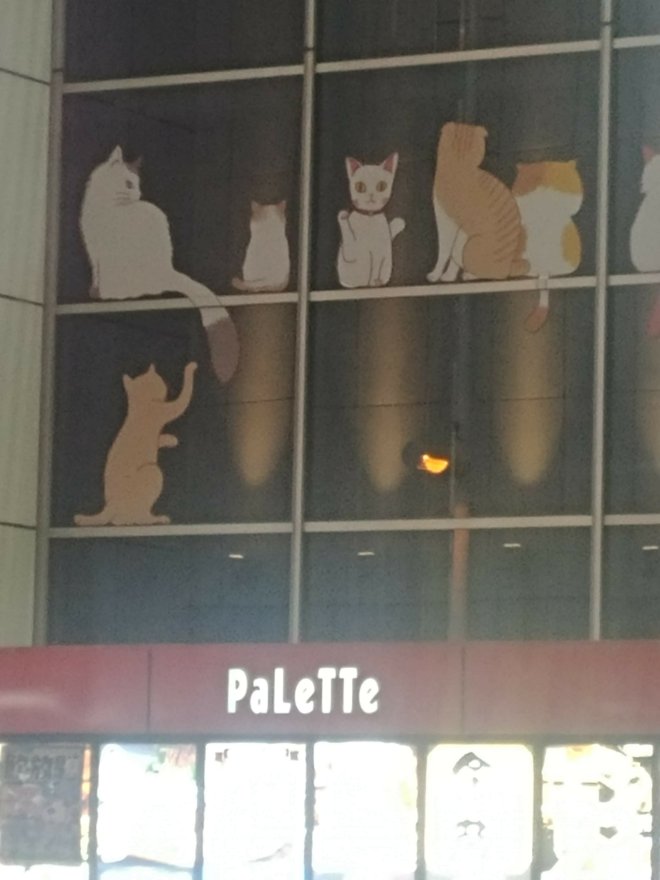
The entrance to the most famous street in HarajukuSweets and food seem to be a big drawThese looked yummy but I think the window desserts were plastic.Entrance to the owl cafeWe actually tried one of these drinks. They were awesome.Cosplay clothes up top, hip-hop belowKawaii (cute) backpacks and styles were everywhereGiant cotton candies are a thingCats and teddy bears are a thing in Japan
So would this be fun for you? I really wanted to go in the owl cafe, but you need reservations.
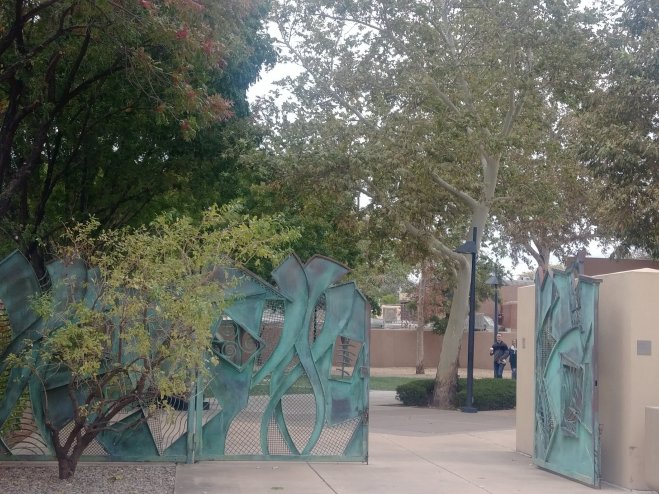
The cottonwood in Robert Wilson’s The Cube represents the life sustaining power of the bosque. The city of Albuquerque is symbolized by the repurposed fencing of the cube that surrounds the woodlands.
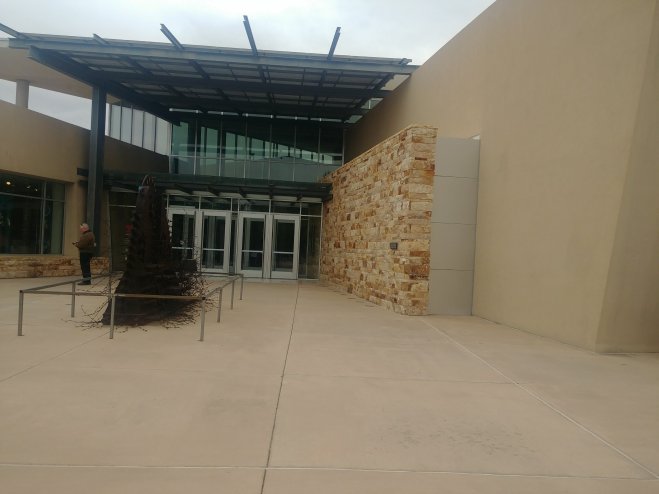
Encountering Arboreal Dome by Benjamin Forgey brings to mind the black monolith in the classic film by Stanley Kubrick and Arthur C. Clarke, 2001: A Space Odyssey.
However, Forgey envisioned the structure, constructed of dead cottonwood limbs, to be a recreational place for picnics, storytelling, and the like. He also felt that some would quietly reflect while gazing through the dome.
Decades ago, steel jetty jacks were constructed to prevent erosion when the river overflowed its banks. They proved to be ineffective but were too costly to remove. The rusty structures remind one of “Rommel’s asparagus” defense works along coastal France prior to D-Day.
In her work, Salt Cedar + Jetty Jacks = Green, Jill Guarino Brown used a jetty jack as the frame for a funnel woven from salt cedars to demonstrate a repurposing of the metal structures as a mechanism for harvesting water.
Several artists teamed to produce The Web a land art piece that suggests the wonders of the bosque’s interconnected natural and human ecology.
An unknown artist used a slice of a tree trunk and pieces of bark to create a totem of a great horned owl, many of which live in the Bosque.
Perhaps, the little people who dwell in the Bosque built this elf circle.
Fairies, perhaps, but beaver definitely live in the Bosque and create their own distinctive sculpture.
The metal sculpture of dancing sandhill cranes is situated near an access point to multi-purpose trails through the Bosque. This piece reminds one of the annual migration of the cranes down the Rio Grande flyway from the Arctic in late fall and their departure in early spring.
Now that you know that these delightful pieces of art are hiding in Albuquerque’s bisque, will you seek them out?
Skilled in hand forging blades, craftsmen produce knife blades employing Edo Era tools at Takefu Knife Village in Eichizen, an area in Fukui Prefecture in west central Honshu Island. The Takefu smiths produce world class quality kitchen knives by hand and travel the world instructing gourmet chefs on the appropriate use of the wide variety of blades they craft.
Today’s Takefu knife makers benefit from the history of Eichizen blade production that stretches back 700 years. As legend has it, in 1337, a master swordsmith from Kyoto, Kuniyasu Chiyozuru, discovered water suitable in the forging of blades and settled near Takefu. He and his successors smithed Eichizen blades for farmers to use in harvesting grains and for Samurai warriors to wield in protecting their shogun lords.
In the past blade smiths forged the blades by hand. They beat the heated steel with a hammer, laminating iron and steel into a blank that is light and tough and with a keen edge. Today, the Takefu smiths grasp the white hot blanks with tongs and operate electrically powered hammers to pound the metal.
After we helped staff put handles on finished knife blades, we got to help finish our knives. Our tour of the foundry included instruction on the proper way to sharpen the finished kitchen knife blade so that it would cut paper. We came away with a kitchen knife that passed the paper slicing test and, we found to our delight, also sliced and diced veggies in our own kitchen.
What aspects of a knife do you find important? Do you think it would feel different to slice vegetables with a knife you had helped make?
The Bosque, a Spanish word for a forest, is about a one mile wide stretch of trees and underbrush, dominated by cottonwoods, on both sides of the Rio Grande River in New Mexico. The Bosque stretches some two hundred miles north to south along the middle reach of the river. The ecology of the Bosque is both interesting and daunting.
In Albuquerque, a state park interpretive center and multi-use trails (hiking, jogging, cycling, and horseback riding) are maintained by several public agencies. The trails meander for miles along both sides of the river, enabling people to experience nature virtually in their own backyards. The Rio Grande provides life giving water to a narrow strip of the high desert, and many species of critters inhabit the Bosque, as well as the river itself.
Around dawn, Owen (the namesake for this blog) rouses me to take him to the Bosque for a three to four mile walk.
Owen. Ready to explore
Along the way, over the years, we have encountered a number of critters, sometimes startling Owen into flight/fight mode, but more often, causing mere disinterest. Many of our encounters with small birds flitting about the underbrush or even larger ones seeking fish in the river or the irrigation ditches, for example, have little relevance for a canine. And Owen is a canine par excellence.
A heron surveying his kingdomA peregtine falcon watching for prey
Owen pays little attention to beavers or muskrats swimming largely under water in an irrigation acequia.
Swimming beaver is safe from Owen.
However, once we came across a beaver on shore returning to its lodge a bit late from browsing on bushes in the moonlight, and Owen woofed at the poor critter and chased it until it plopped into an acequia and splashed him with water from a thump of its tail.
On another occasion, we followed a porcupine down one of the trails. Leashing a curious Owen to spare us a vet bill to remove quills, took some time, so the beast waddled off into the brush a distance.
We’re far enough away to be safe from the porcupine’s tail.
We have seen bobcat paw prints but have yet to spot one. A neighborhood website recently reported a bobcat wandering around, about a mile from the Bosque. A friend near the mountains reported that a female bobcat frequently peered through her patio door to terrify her domestic cats. Definitely, bobcats have a sense of humor, of a predatory sort.
Reportedly, here are reptiles in the bosque, mostly turtles (full disclosure: this turtle picture was taken at the Duck Pond on the UNM campus and that of the serpent at the nearby Petroglyphs National Monument.)
Turtles in the sunThe snake is too close for comfort
Cougar and black bears live in the mountain ranges on the east side of the length of the Bosque, and they travel through it as they move from one hunting range to another. Neither Owen nor I have spotted them, their spoor, or their scat. However, we have spotted the distinctive scat of coyotes. Once we spotted nine in a group, perhaps a couple of breeding pairs with yearlings and pups, heading north along the other side of the drainage ditch.
Coyotes are curious and have shadowed me and Owen on a number of occasions for a mile or more along the trails.
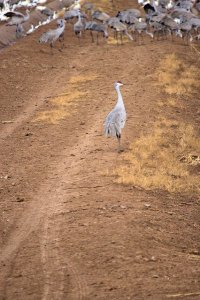
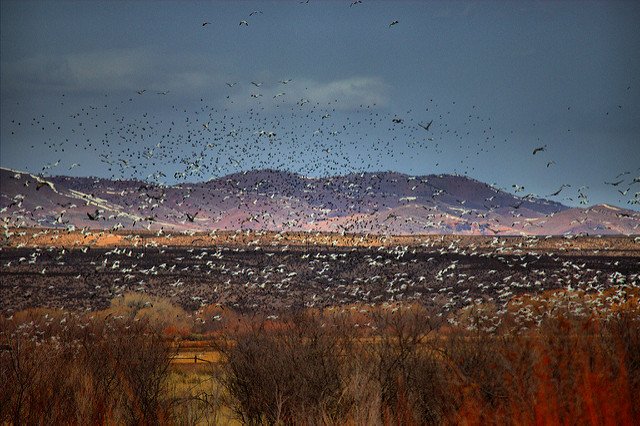
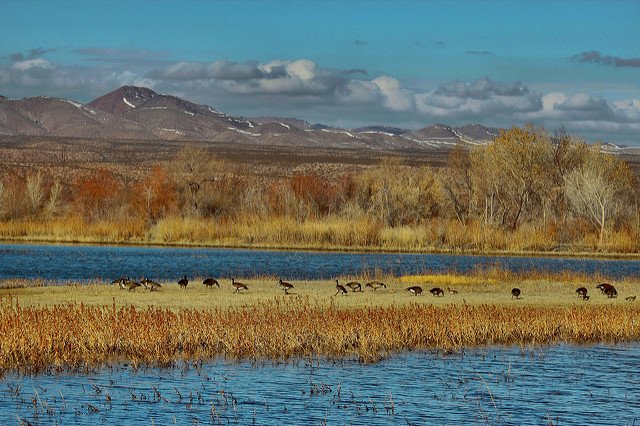
The Bosque is a migratory flyover route, and greater and lesser sandhill cranes migrate in from the Arctic tundra in the late fall and stay over until early spring. And, of course ducks and geese dwell in the waters of the river and the irrigation acequia.
Cranes having a grain partyDucks enjoying a water break
Of course, the roadrunner is an interesting bird to watch, year around. It is so beloved, New Mexico uses its image as the logo for our light rail, the Railrunner.
Finally, one might encounter something mystical in the Bosque. This unicorn type beast is a whimsy of a quirky artistic soul, one of many choosing to live in Albuquerque.
Which of the Bosque beasts would you most like to encounter?
One of the more challenging aspects of travel is finding appropriate souvenirs for all the friends, family, pets, friends of family, and others back home. On my most recent trip to Japan, I spent over $100 just on postcards alone. Granted, Japanese postcards are some of the most beautiful cards on the planet, but some of my friends wanted more. What’s a budget constrained traveler to do?
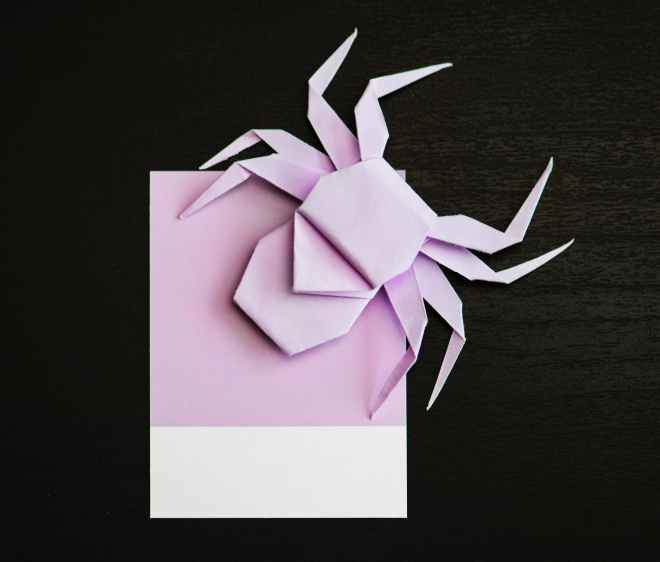
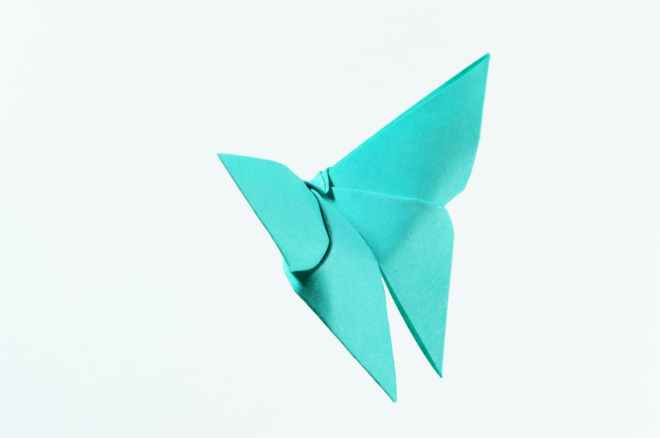
One option is to buy a pack of something and break it up into smaller gifts. In this case, I found sets of Japanese magnets, and separated them into little packages wrapped in origami paper containing one magnet each. After all, everyone’s fridge is covered in magnets. Your friend probably doesn’t need 10 more, but one is a nice memento.
This divide and conquer tactic works with lots of things–decorative chopsticks often come in sets of 10, local candies often come in sets of bars, and so on. One souvenir we didn’t get but wished we had was Japanese Kit Kat bars. They come in flavors unique to Japan: green tea, wasabi, chocolate banana, grape, sweet corn and more. If you’re still in Japan, Don Quijote, a super discount store probably has the most impressive selection of Japanese Kit Kats as well as lots of other fun souvenir ideas. (Printed dish towels are another favorite item for some of my more culinary friends. )If you’re back in the states and leaving a Japanese Kit Kat, try Amazon, Ebay, or one of the many Japanese candy subscription boxes available.
If you’re traveling somewhere where cute postcards are few and far between, try Touchnote, an app that allows you to turn your smartphone pics into postcards, greeting cards, and other cool stuff.
I used this cute picture below for several postcards. The app let me write a message, choosing a font for my message. I then addressed the postcards and Touchnote let me know when the had been mailed.
The app is most affordable if you buy a bunch of credits so you can send 20 or more postcards. Each can be a different picture and message or you can mass produce them if you have a bad case of jet lag. Another option is to get their professional membership which gives you one credit per month and lets you even customise the stamp.
So what is your favorite souvenir to give or receive? Have you ever received a totally off the wall souvenir. Or had a strange reaction to a souvenir?
For example. Our daughter taught English in China. She brought me back the Mao Zedong picture that most residents there hung on their rear view mirror. So I hung it on mine. Several weeks later, a lady races after me in a parking lot, pounding on my car hood for me to stop. “How dare you display that in your car. He’s a communist.” True. And a dead communist at that. But I had it in my car because it was a gift from my daughter, and every time I looked at it, I thought of her bravely conquering challenges in a land so foreign that our demons were their heroes.
“Perhaps travel cannot prevent bigotry, but by demonstrating that all peoples cry, laugh, eat, worry, and die, it can introduce the idea that if we try and understand each other, we may even become friends” – Maya Angelougav