Albuquerque Rainbows

Albuquerque is on the high Chihuahua desert, about a mile above sea level, so rain is scarce. In the hot summer, some rainfall does not make it to the ground, because the drops of water evaporate on the way down. This phenomenon is called vigra. Link 

However, during the summer, warm spots in the eastern Pacific off the coast of Mexico, called El Nino and La Nina, generate water laden air masses that bring afternoon scattered showers to the southwest. New Mexicans refer to these predictable showers as the monsoon season.

Rainbows are created by the interaction of sunlight striking rain drops when the sun is at about 42 degrees above the horizon, or during the latter part of the afternoon and early evening. Link  Fortunate for New Mexicans, the presence of monsoon showers at that time of day produces beautiful rainbows.

Sometimes, they enjoy double rainbows.

But even a single rainbow colors the sky and reminds us of how essential rain, however scarce, is to life.


Olympic Hopes

At the train station arriving in Nagano, a delightful Japanese town that hosted the 1998 winter Olympics.

These are cool statues along the access road to the shrine.

We were drooling as we passed the shops with their food samples in the windows. This is the restaurant we came back to for soba. Yum.

There is a 7 springs hike nearby.

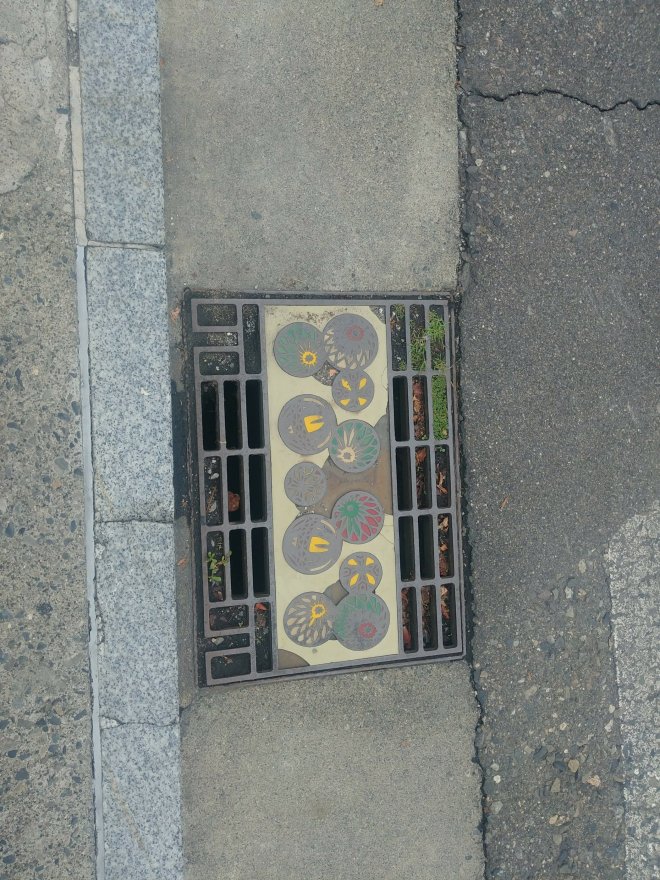
And here is a gorgeous hand painted manhole cover celebrating the famous apples from the region. They are deservedly famous. I became addicted to the fresh apple juice, apple sake, and fresh apples.

A mn so outlines the sacred places at the temple.

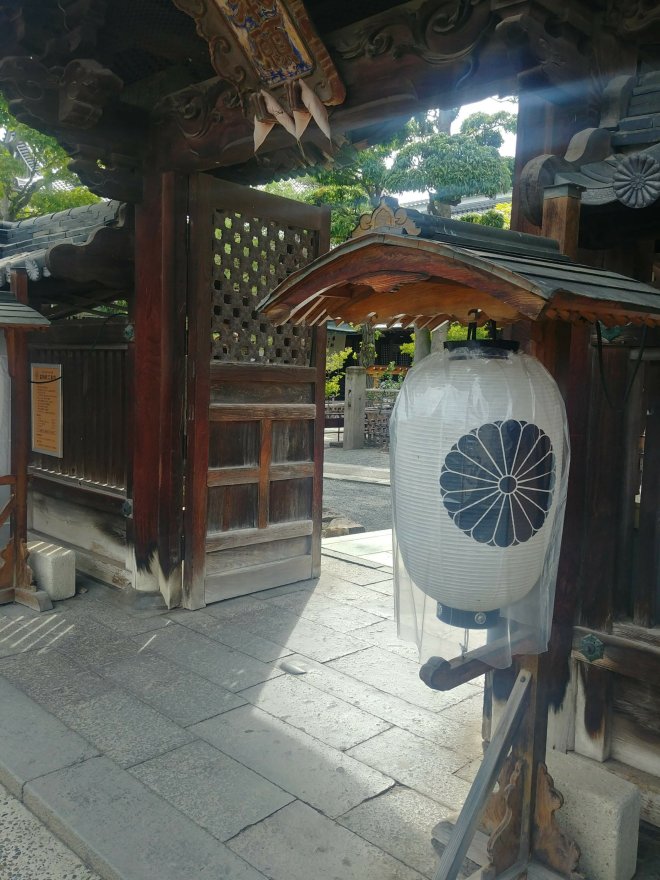
The beautiful shrine appears embraced by the trees.

A fruit stand where we bought one of the famous apples.


Nagano was one of my favorite places in Japan. I think it was the apples. Do you have a favorite place in Japan? Where?

Volcanoes and Rock Art

Three cinder cones appear on Albuquerque’s west mesa, few miles west of the Rio Grande River.

Image result for image albuquerque volcanoes

Locals refer to them as the Three Sisters or the Albuquerque Volcanoes. Geologically, they are the visible remains of a fissure type volcano that was several miles long and spewed slow moving lava. This fissure is a small part of the volcanic activity generated by the Rio Grande Rift Valley. Link

The lava filled low lying arroyos and, upon cooling, formed a distinctive escarpment around one hundred feet high.

Much of the escarpment eroded into large rough boulders and cliffs.

However, some of the boulders have a smooth surface. Indigenous artists used stone harder than the basalt to chip designs onto the plane surface.

Some of the images are representational and depict humanoid figures

Some of the images appear to be more abstract.

Spanish era artists, inspired by their indigenous predecessors, also pecked away at the rocks as the cross in the picture illustrates.

Petroglyph National Monument protects many of these works of art. Link


Godzilla’s Godparents

By Ray Shortridge

Godzilla is the iconic Japanese dinosaur, having starred in several movies since Ishiro Honda brought him to life and international acclaim in the 1954 film, Godzilla.

2

To no great surprise, this lovable (to the Japanese and the world-wide multitude in the Godzilla cult) monster has been further monetized beyond movie tickets, toys, and stuffed animals. In revving  up to the 2020 Olympics, Japanese entrepreneurs have written “the Godzilla experience” into destination tourist attractions, including a hotel and specialty foods. (For a sampling, navigate to this link.)

Brenda took this evening picture of the hotel with Godzilla peering over the McDonald’s golden arches at the passersby.

While wandering through the gift shop after making soba noodles for lunch, I came across dinosaur junk food products.

My initial thought was that these products were derived from the Godzilla craze. However, that wasn’t so. A Google search revealed that important real dinosaur fossils had been unearthed in the Fukui Prefecture and elsewhere in Japan. The Fukui Prefectural Dinosaur Museum in Katsuyama is a leading dinosaur museum in Asia and houses many of the Japanese fossils. The gift shop was in Fukui Prefecture and was celebrating the dinosaur discoveries that were found more or less in their back yard.

As with Godzilla, entrepreneurs have found a way to profit from the dinosaurs. In Tokyo, where else?, the Henn na (Weird) Hotel is staffed largely by robots, many of which were designed to be dinosaurs.


Samurai Sushi

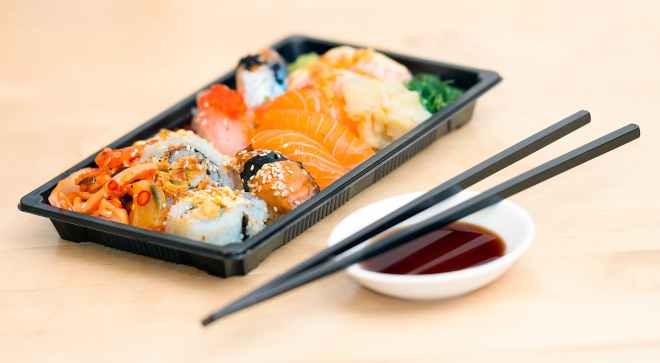
We made a traditional version of sushi that was served to samurai as it was extremely portable and stayed good without refrigeration.

The finished result
The class
We all looked properly puzzled

Despite our lack of enthusiasm, our sushis, made with pickled vegetables (for antiseptic properties), nuts, snd rice were delicious.

Albuquerque bosque at dawn

Guest blog by Ray Shortridge

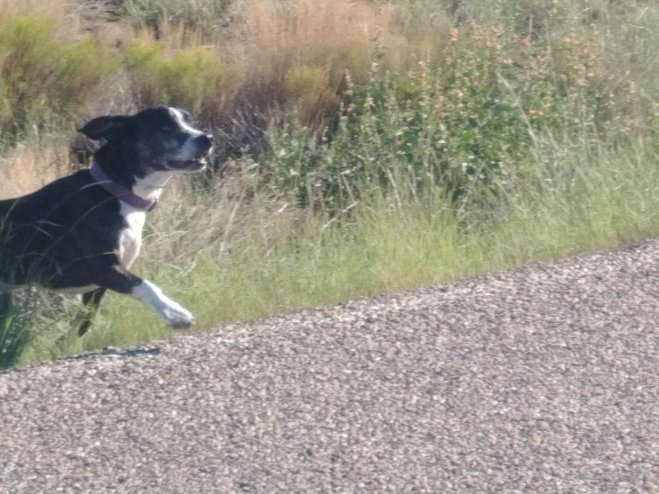
During the summer, it’s more comfortable to take my routine three to four mile hike along the river at dawn, when the air is still cool. Owen the wonder dog usually accompanies me. He’s more interested in checking out the bushes along the way than watching the sun rise over the Sandia Mountains and light up the Rio Grande River valley, however.

At first, the valley remains in shadow while the sun climbs the east slope of the mountains.

As the sun crests the Sandia, the atmosphere refracts the sunlight into the red and gold colors of the spectrum.

The water fowl along the river banks quack, honk, and screech as with the coming of the day.

Teen and Tween Heaven

Harajuku is always popping. It’s the epicenter of teendom, a mind-boggling array of sounds, sights and sensations. Whether you’re into balloons, cosplay, enormous cotton candies, or owl cafes, there is all that and more here.

The entrance to the most famous street in Harajuku
Sweets and food seem to be a big draw
These looked yummy but I think the window desserts were plastic.
Entrance to the owl cafe
We actually tried one of these drinks. They were awesome.
Cosplay clothes up top, hip-hop below
Kawaii (cute) backpacks and styles were everywhere
Giant cotton candies are a thing
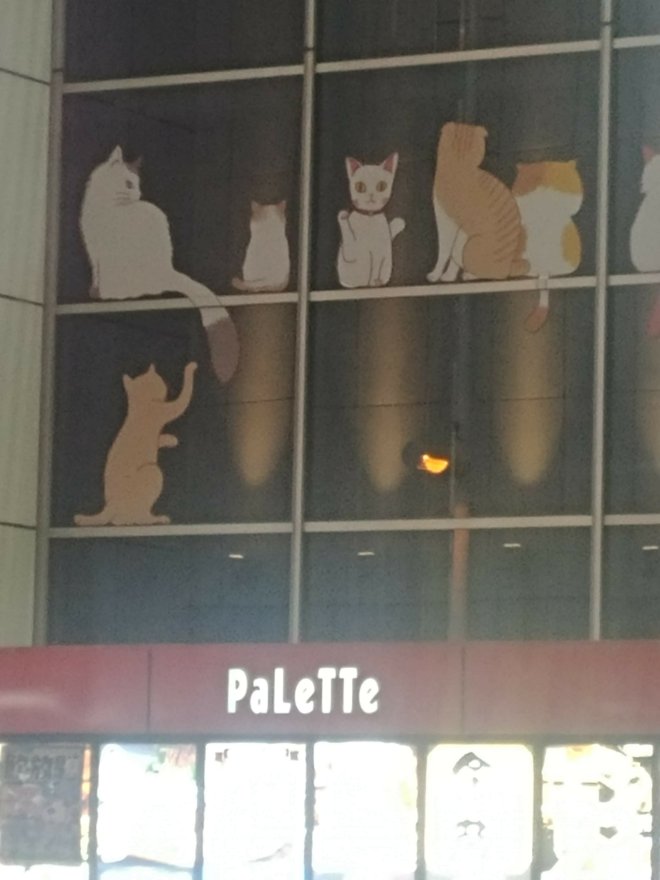
Cats and teddy bears are a thing in Japan

So would this be fun for you? I really wanted to go in the owl cafe, but you need reservations.

Wonderfully Wierd Bosque Art

Guest blog by Ray Shortridge

Hikers in the Rio Grande River Bosque come across some curious things that add Albuquerque’s reputation for quirkiness. These public art pieces are installed within the Bosque and other open spaces rather than along the city thoroughfares.

The cottonwood in Robert Wilson’s The Cube represents the life sustaining power of the bosque. The city of Albuquerque is symbolized by the repurposed fencing of the cube that surrounds the woodlands.

Encountering Arboreal Dome by Benjamin Forgey brings to mind the black monolith in the classic film by Stanley Kubrick and Arthur C. Clarke, 2001: A Space Odyssey.

However, Forgey envisioned the structure, constructed of dead cottonwood limbs, to be a recreational place for picnics, storytelling, and the like. He also felt that some would quietly reflect while gazing through the dome.

Decades ago, steel jetty jacks were constructed to prevent erosion when the river overflowed its banks. They proved to be ineffective but were too costly to remove. The rusty structures remind one of “Rommel’s asparagus” defense works along coastal France prior to D-Day.

In her work, Salt Cedar + Jetty Jacks = Green, Jill Guarino Brown used a jetty jack as the frame for a funnel woven from salt cedars to demonstrate a repurposing of the metal structures as a mechanism for harvesting water.

Several artists teamed to produce The Web a land art piece that suggests the wonders of the bosque’s interconnected natural and human ecology.

An unknown artist used a slice of a tree trunk and pieces of bark to create a totem of a great horned owl, many of which live in the Bosque.

Perhaps, the little people who dwell in the Bosque built this elf circle.

Fairies, perhaps, but beaver definitely live in the Bosque and create their own distinctive sculpture.

The metal sculpture of dancing sandhill cranes is situated near an access point to multi-purpose trails through the Bosque. This piece reminds one of the annual migration of the cranes down the Rio Grande flyway from the Arctic in late fall and their departure in early spring.

Now that you know that these delightful pieces of art are hiding in Albuquerque’s bisque, will you seek them out?

Takefu Knife magic

Guest blog by Ray Shortridge

Skilled in hand forging blades, craftsmen produce knife blades employing Edo Era tools at Takefu Knife Village in Eichizen, an area in Fukui Prefecture in west central Honshu Island. The Takefu smiths produce world class quality kitchen knives by hand and travel the world instructing gourmet chefs on the appropriate use of the wide variety of blades they craft.

Today’s Takefu knife makers benefit from the history of Eichizen blade production that stretches back 700 years. As legend has it, in 1337, a master swordsmith from Kyoto, Kuniyasu Chiyozuru, discovered water suitable in the forging of blades and settled near Takefu. He and his successors smithed Eichizen blades for farmers to use in harvesting grains and for Samurai warriors to wield in protecting their shogun lords.

In the past blade smiths forged the blades by hand. They beat the heated steel with a hammer, laminating iron and steel into a blank that is light and tough and with a keen edge. Today, the Takefu smiths grasp the white hot blanks with tongs and operate electrically powered hammers to pound the metal.

After we helped staff put handles on finished knife blades, we got to help finish our knives. Our tour of the foundry included instruction on the proper way to sharpen the finished kitchen knife blade so that it would cut paper. We came away with a kitchen knife that passed the paper slicing test and, we found to our delight, also sliced and diced veggies in our own kitchen.

What aspects of a knife do you find important? Do you think it would feel different to slice vegetables with a knife you had helped make?