
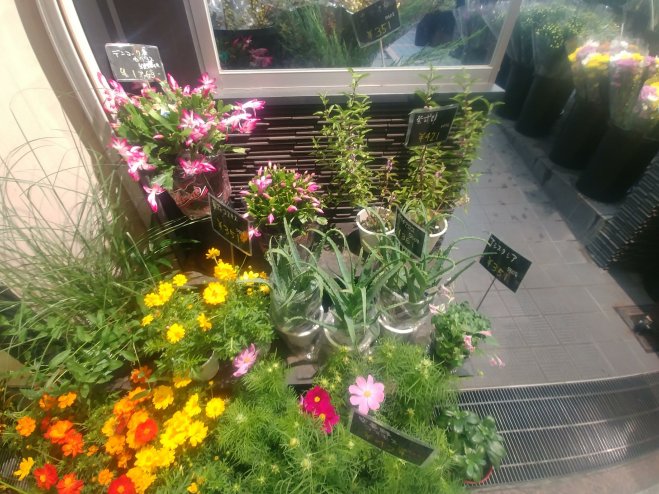
Among all the hubbub of Japan’s big cities, the bits of green here and there make it calmer and more enjoyable




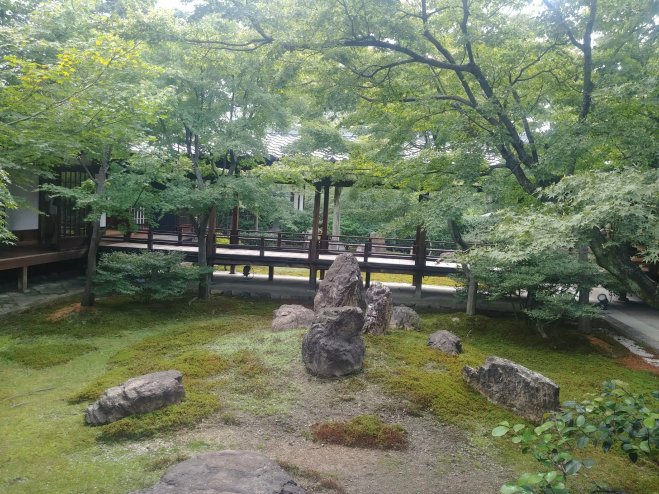
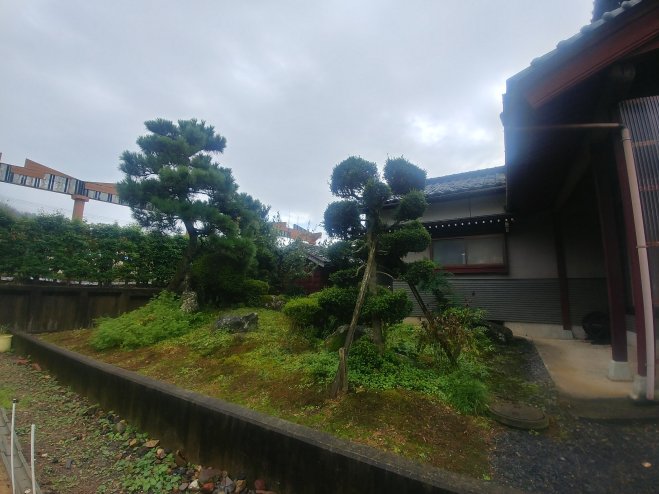
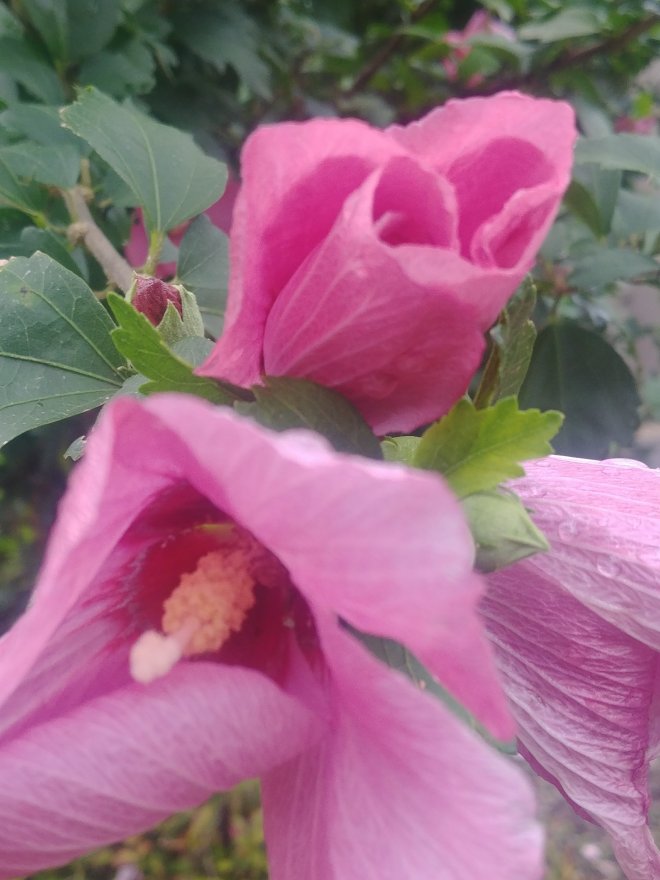
Among all the hubbub of Japan’s big cities, the bits of green here and there make it calmer and more enjoyable
Guest blog by Ray Shortridge
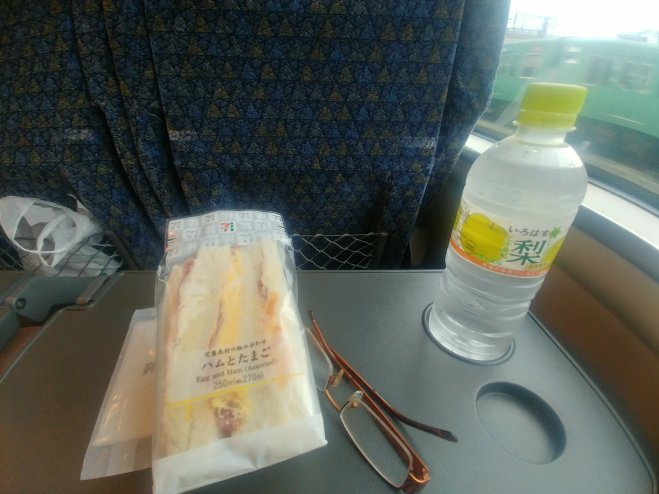
When working in Cleveland during a summer break from college, I purchased milk and sundries from a nearby Lawson’s convenience store. Lawson stores are no longer found in the continental US, but to my surprise, they abound in Japan. Nowadays, 7-Eleven stores in the US are owned by a Japanese company, and, along with Family Mart, compete with Lawsons.
All told, there are more than 50,000 convenience stores in Japan. And they are convenient, abounding on commercial streets and in railroad stations and offering an ever changing array of snacks, sandwiches, ice cream, fruit and soda beverages, cigarettes, cold beer, candy, and international ATMs. Many ATMs throughout Japan won’t work with foreign ATM cards. Fortunately, this is an area where Japanese 7-11 stores shine. Google maps or a 7-11 finder app can help you find the 7-11 nearest you.
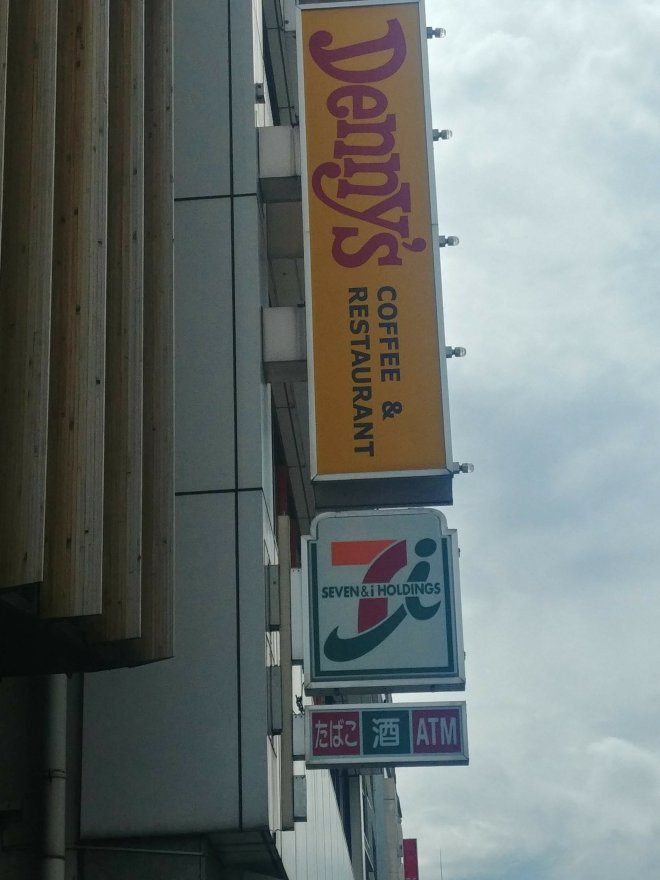
While ATMs at Family Mart, Lawson, and others may not support international cards, they offer many of the same useful services for foreigners as 7-11 stores including: currency exchange, free Wi-Fi, and ability to use credit cards for purchases.
Moreover, one can top off public transportation cards there and access the internet on Wi-Fi. Japanese convenience stores are truly a phenomenon.
I love my Japanese made Platinum pens but I had a couple of their convertors that were terribly balky and hard to twist. Here’s an easy fix. You’ll need some silicon grease, and that’s all. Please be careful to only put the grease on the convertor piston above the ink seal. Make sure you wash your hands extremely well before touching the nib, feed, etc. If you do that, you’ll find this very easy.
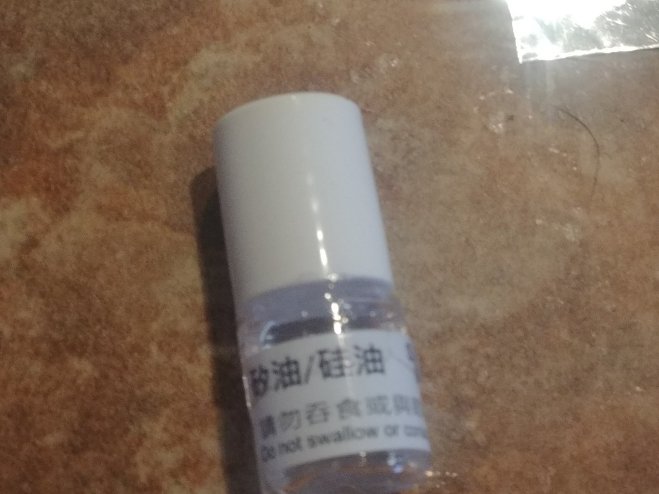
Silicon grease. This one is from my twsbi kit
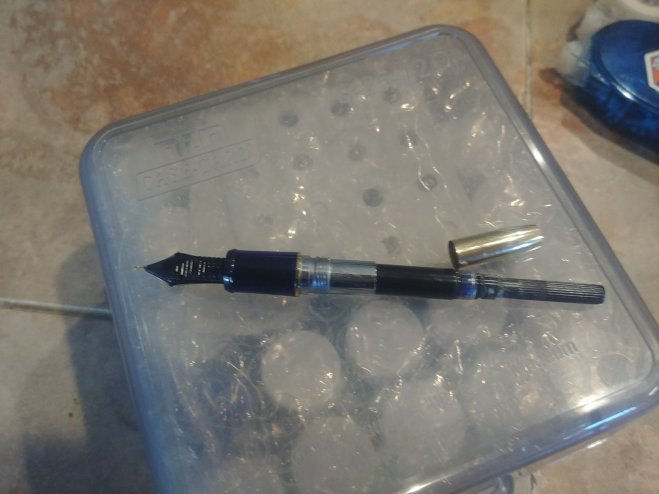
Unless you want an inky mess, do not try this on an inked pen. Did I learn that from experience? What do you think? Gently take the convertor apart, trying to remember how it goes together (I’ll review it, but it makes it easier if you try to remember.) I crank the piston all the way up to the top, as far away from the nib as possible. Then I take off the metal housing (3). At this point, you can just grease the extended piston (1), and put it back together. But sometimes the top two pieces (2 and 4) pop out. Don’t panic! It’s ok. You’ll actually have a better functioning convertor if you grease 2 and 4 where they meet.
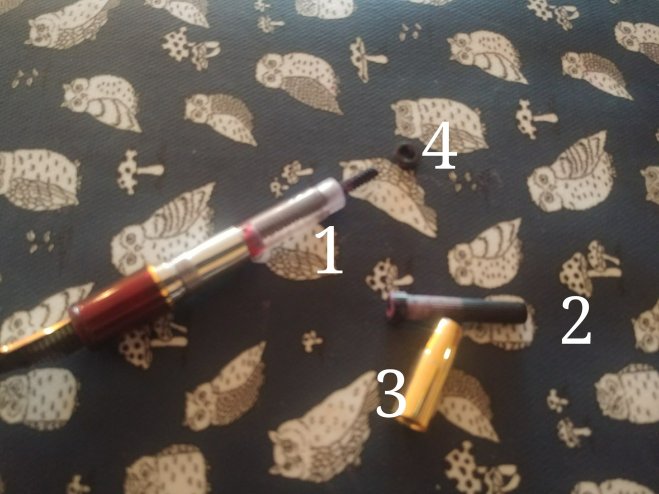
So if they did come out, just take part 2 and push the ribbed part (to the right in this photo) up through the larger opening in the metal housing (3) until it extends out the smaller opening. Then pop #4 on top of part two (where it’s inside the housing.) I’ve never noticed a right side to part 4, but just in case I’ve been extremely lucky, just flip it if the first side doesn’t work.
Now hold the combo of 2, 3, and 4 horizontally, and screw it over the piston. It helps to do all this horizontally so parts don’t shift but you may find another orientation works better for you. Your convertor should now work smoothly (unless something else is wrong, like a bent piston or missing piece.)
Congratulations! You’re now a Platinum pen convertor repair rock star.
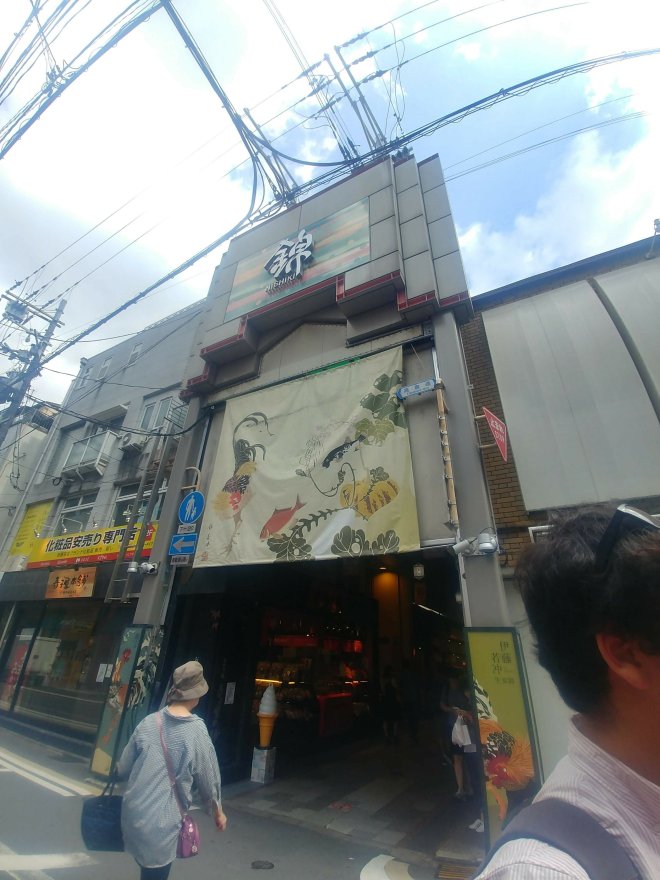
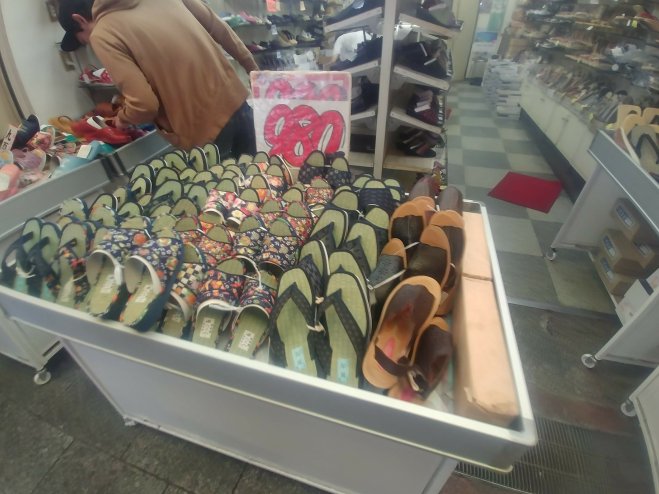
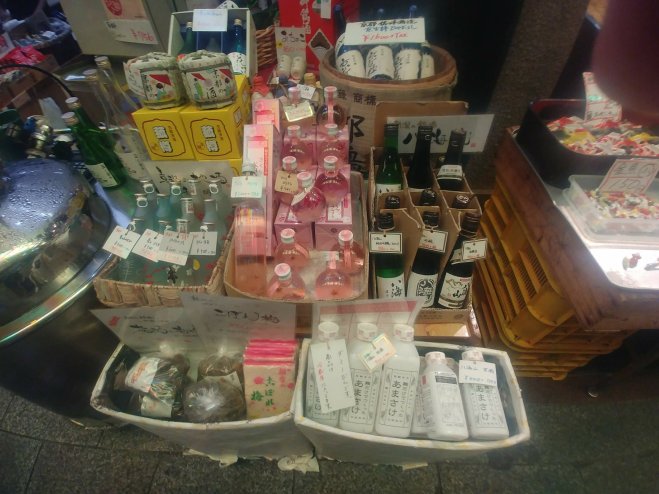
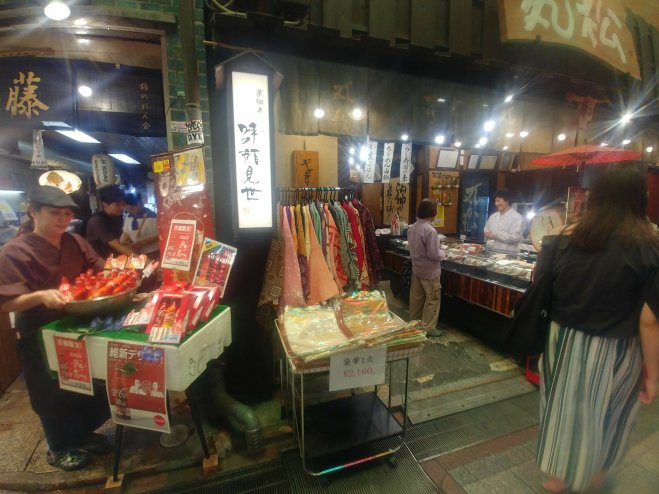
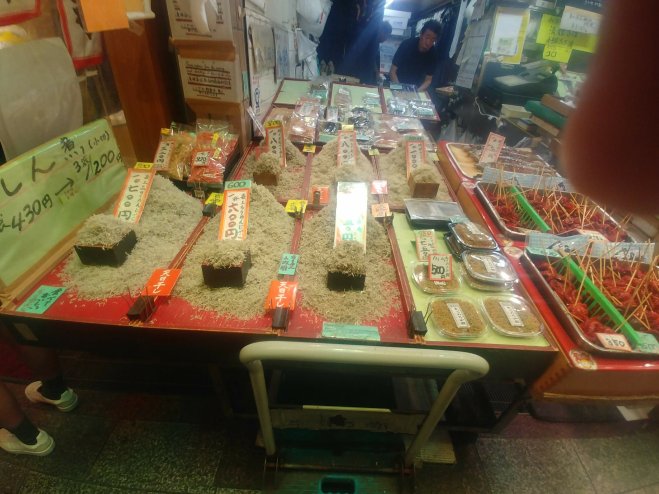
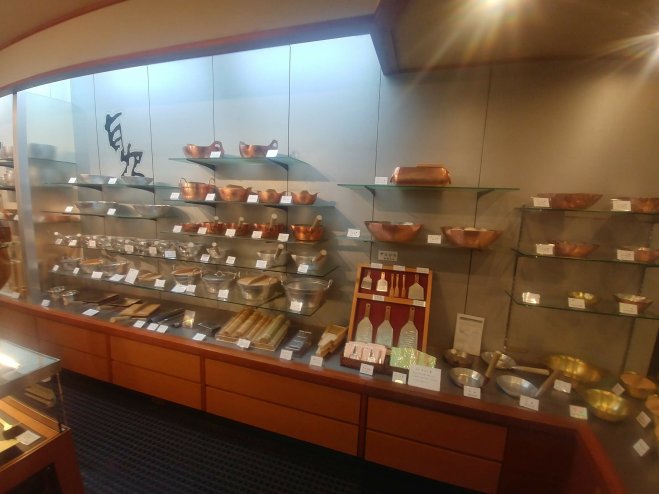
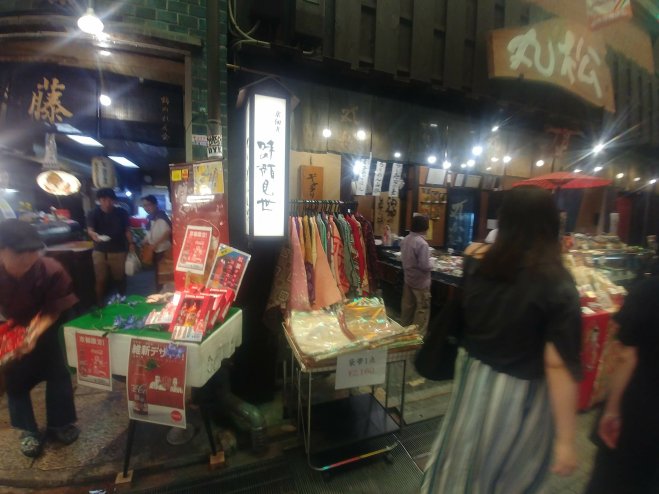
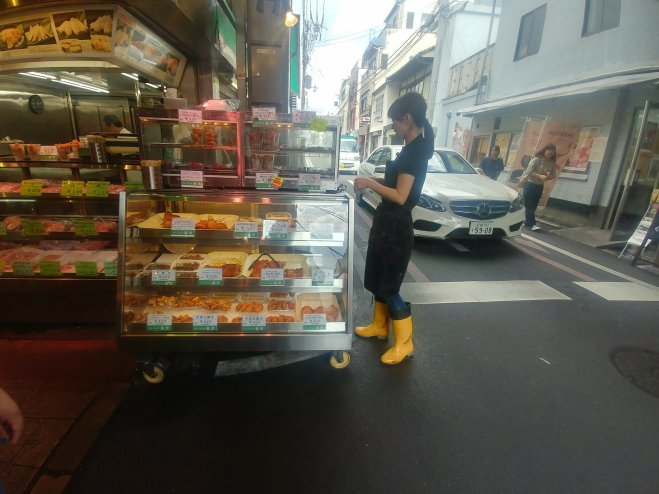
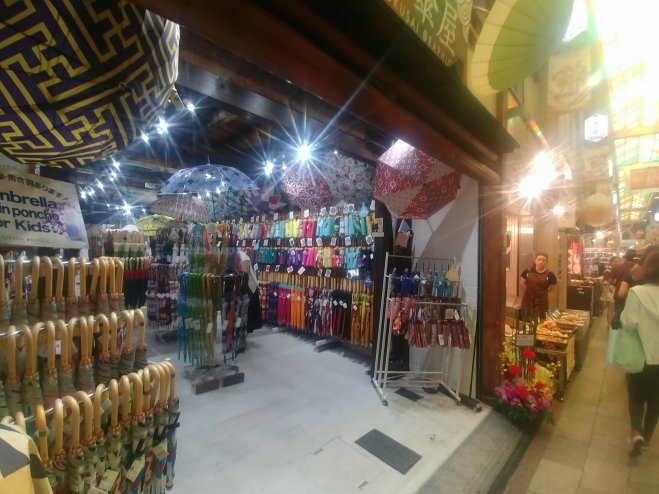
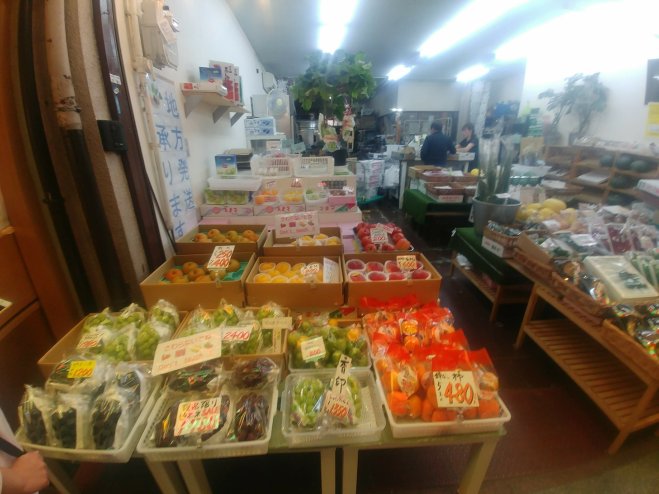
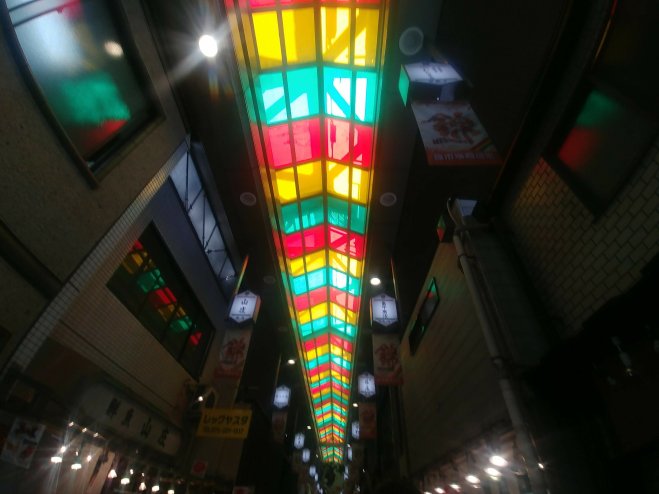
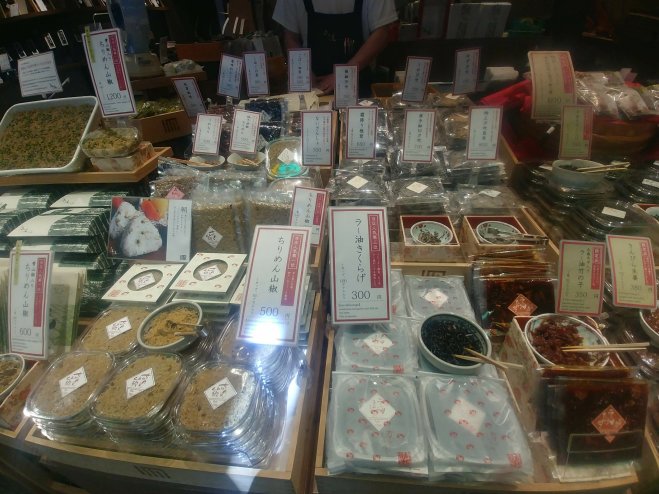
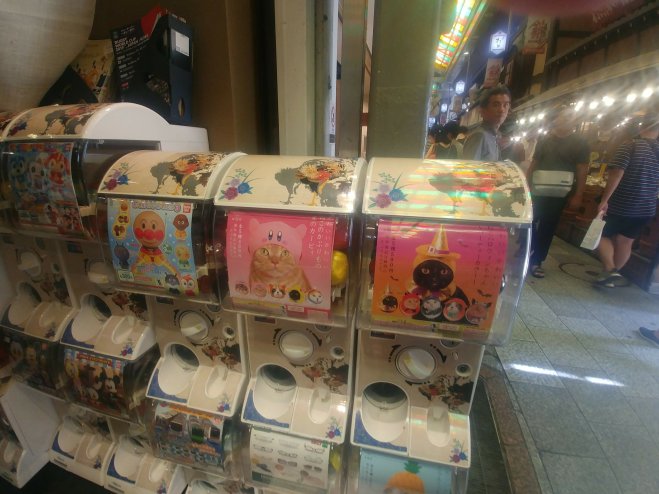
All my friends have been wondering “where are the market pictures?” Well here they are. This is the retail market ( as opposed to the wholesale fish market that is more famous and is moving soon.) I’ll add an occasional caption, but the pictures speak for themselves. Enjoy a quick walk through the market. This is a small fraction of the sites. It is huge!
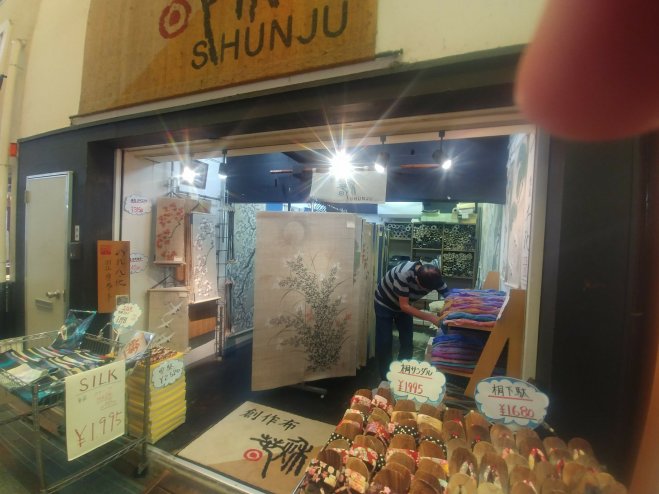
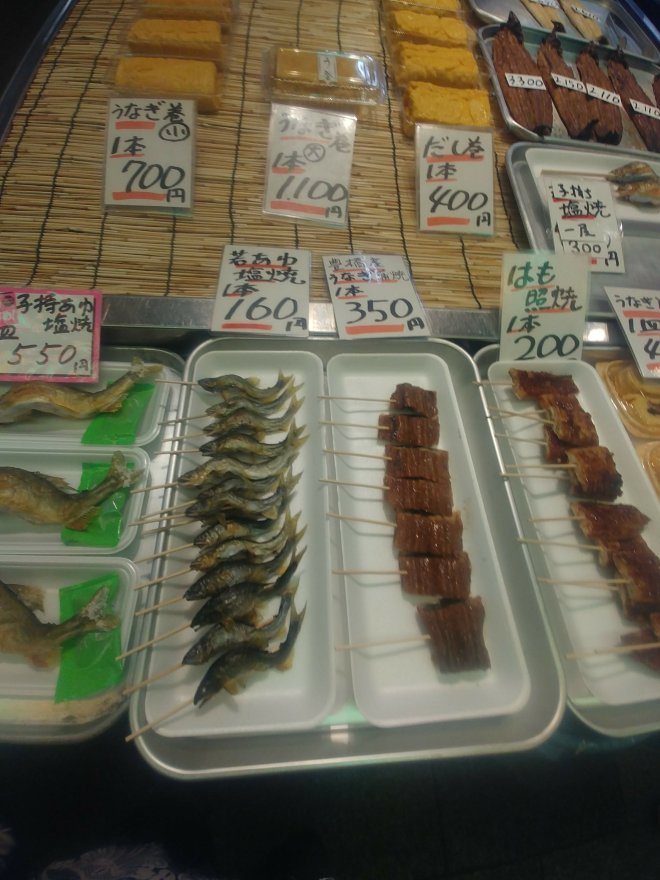
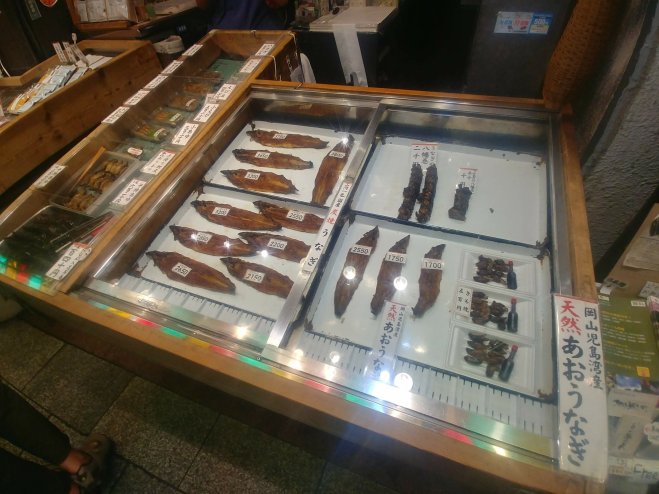


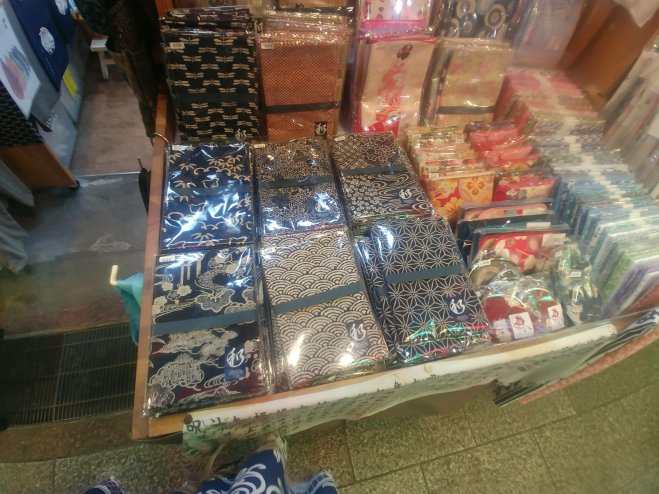

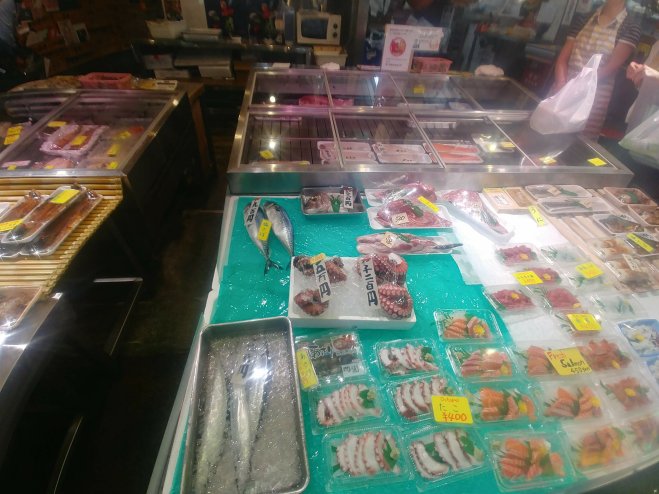

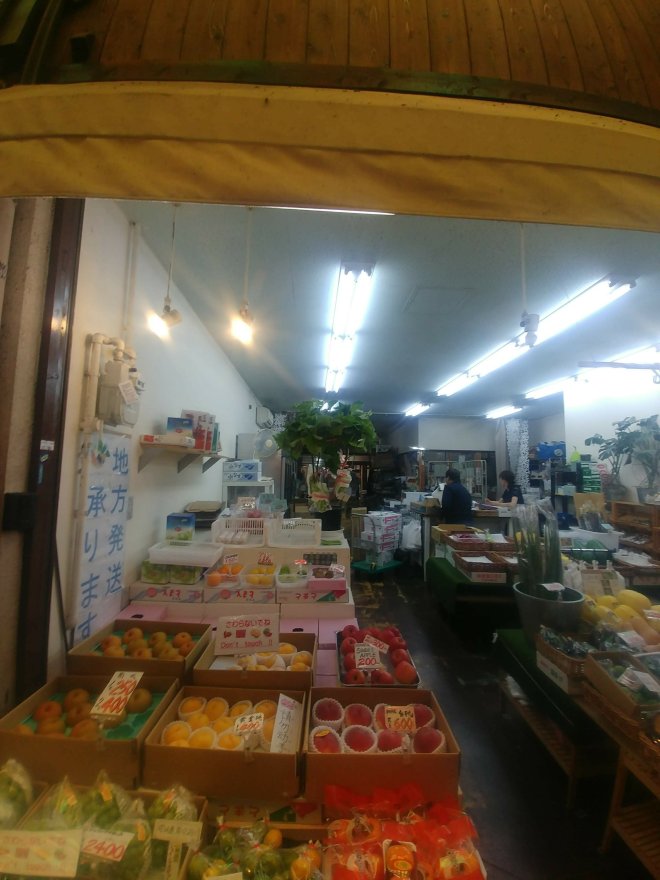
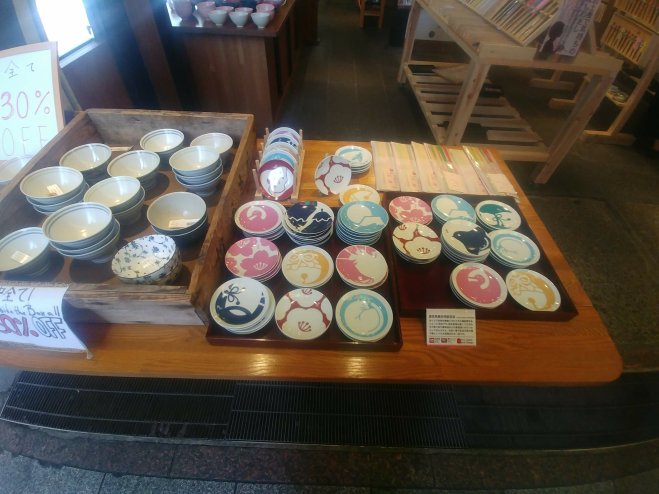
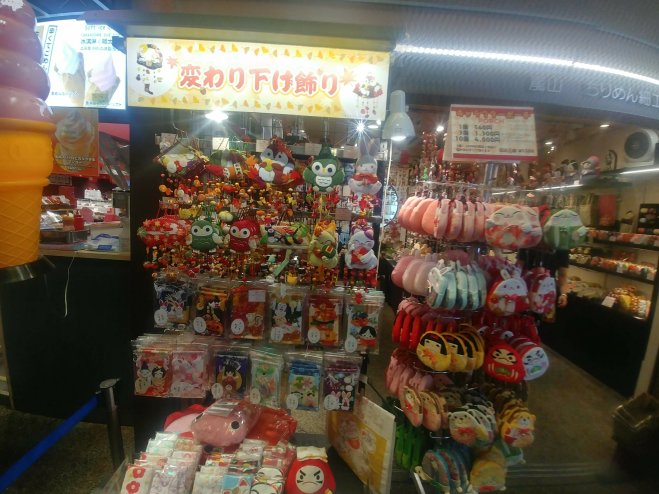

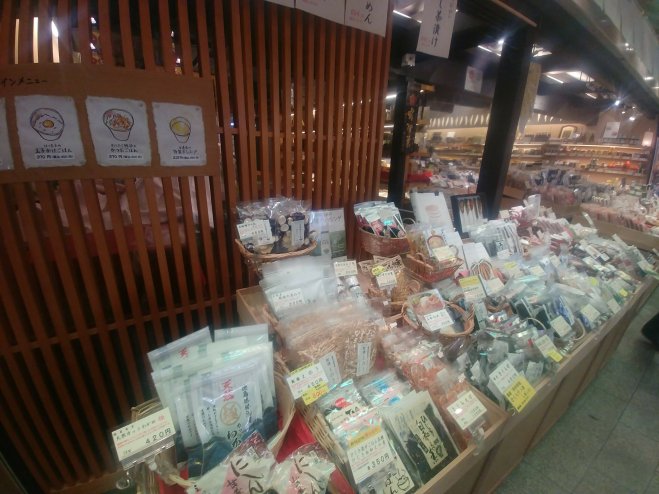
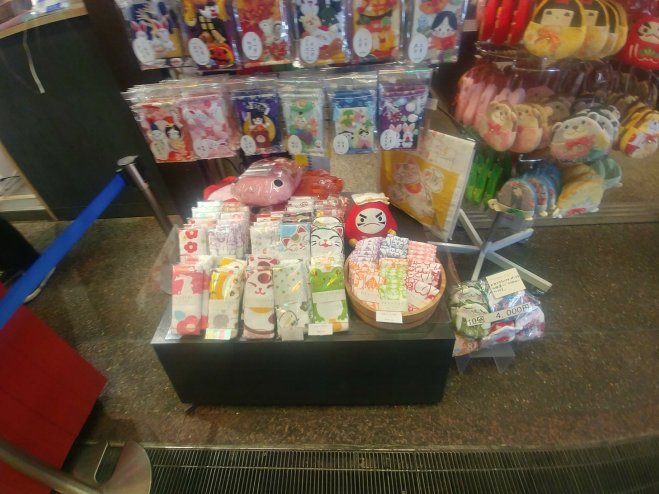
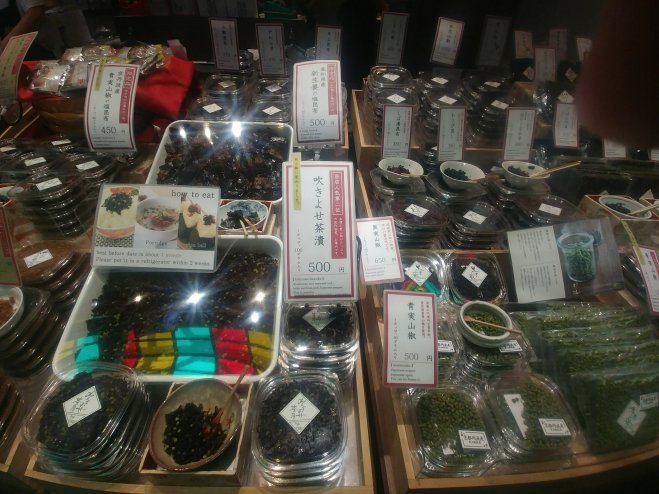

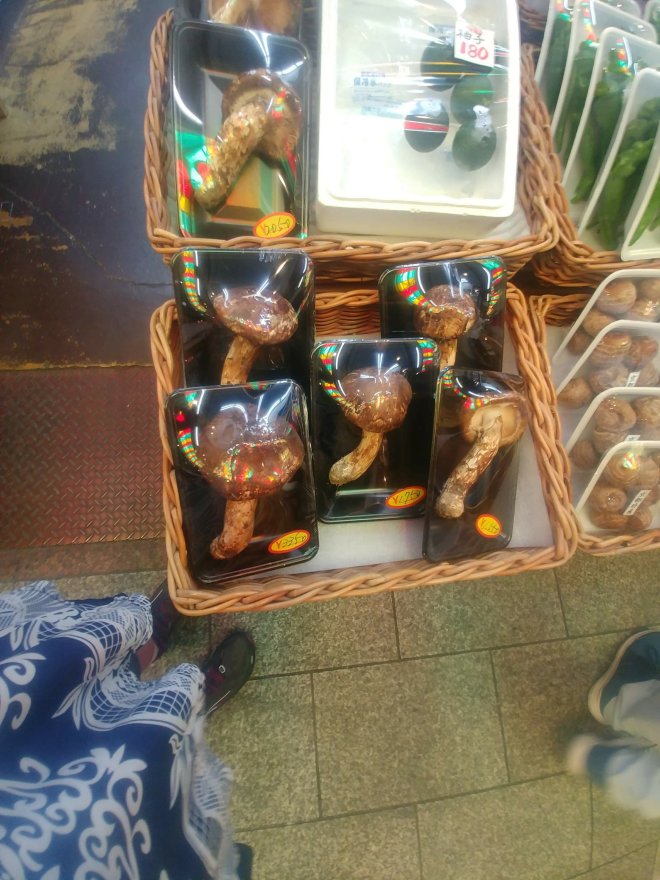
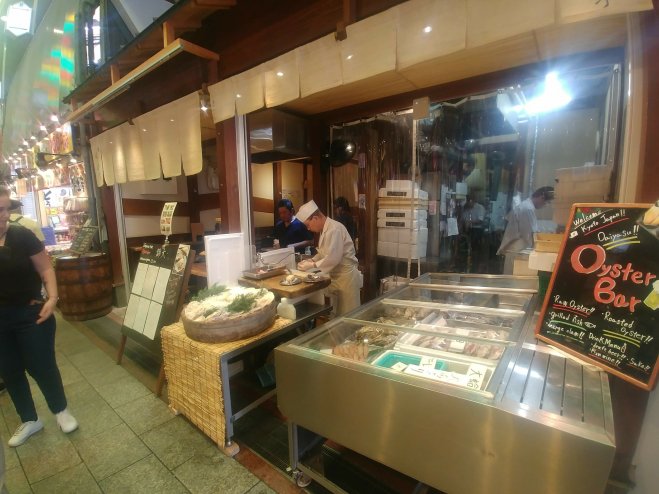
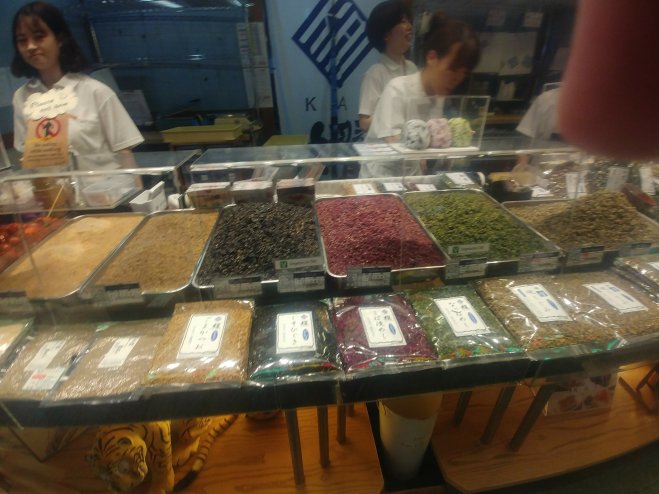
Guest blog by Ray Shortridge
A commonly held view is that one has to be fluent in Japanese to get around in Japan. After our couple of weeks there, we felt confident that could navigate the train system to travel between cities and towns across the country and commuter trains within urban areas. Here’s why.
The flagship (to mix the metaphor) of Japanese Rail (JR) is the world renowned bullet train and connects the major cities in Japan.


JR owns and operates about 70% of rail mileage in Japan and provides local and express service.
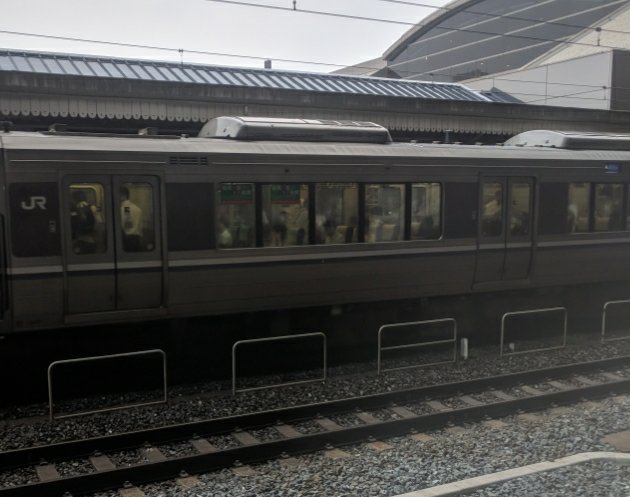
Several private railroad lines complement JR’s service by providing commuter trains throughout the larger metro areas. (For an in-depth look at the railroad system, click on this link.)
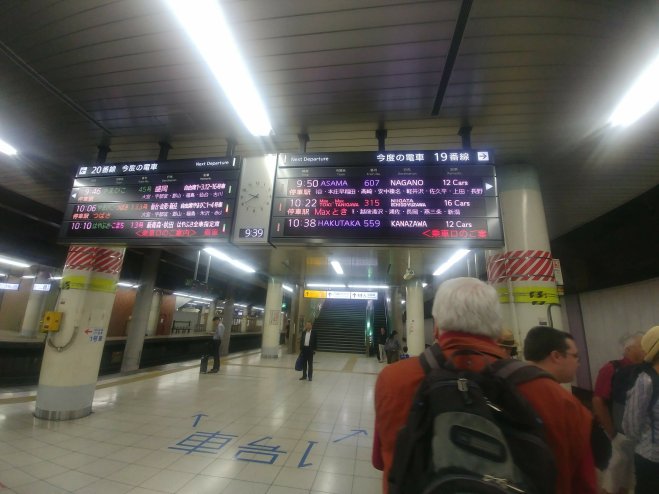
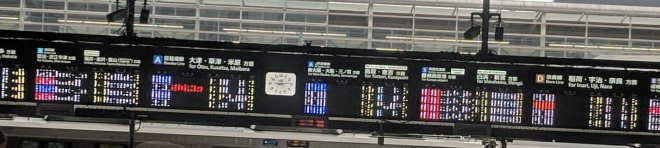
Finding the train one wants in the station is easy. An large electric sign in the entrance hall provides the train number and destination in English, as well as Japanese, and the tracks are designated by arabic numerals.
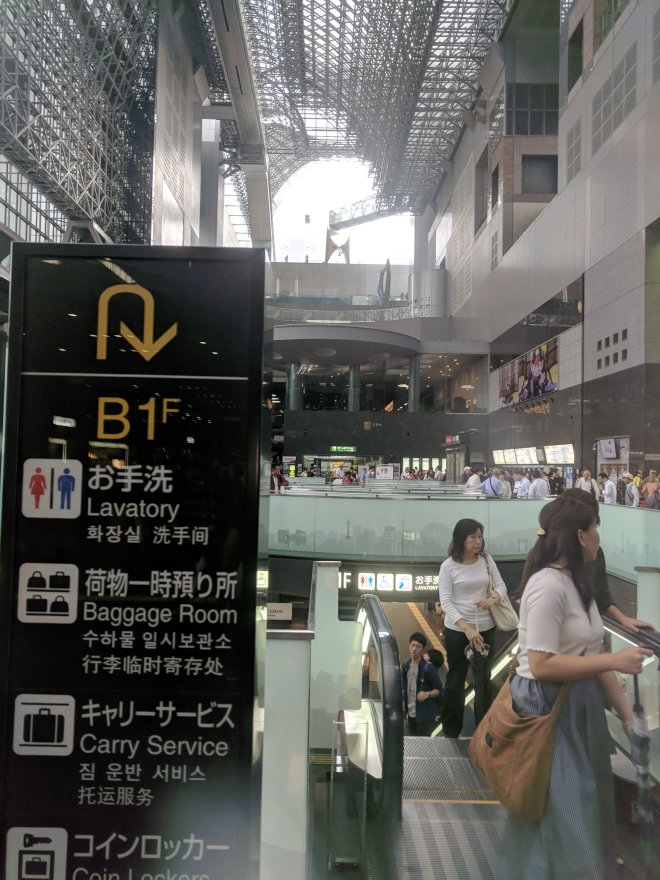
Directional signage within the building are also in English, as well as Japanese.
At the track, the updated arrival and departure signs are in English.
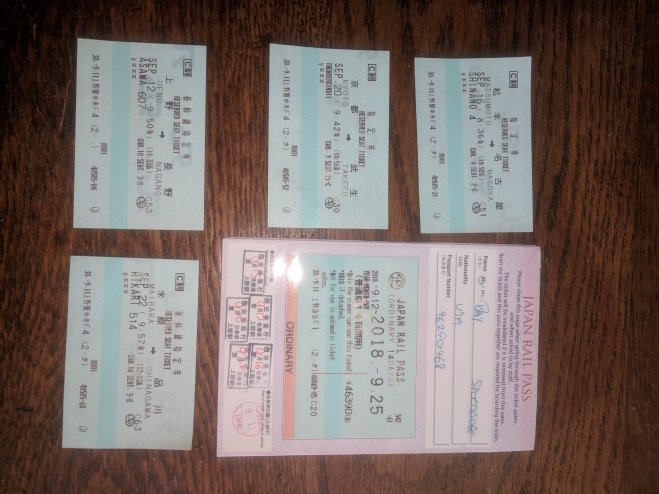
The ticket indicates the number for the car in which you are seated,and markings on the platform show where the doors on the car are located. The trains stop exactly at the door markings. Passengers line up here and enter in an orderly fashion.
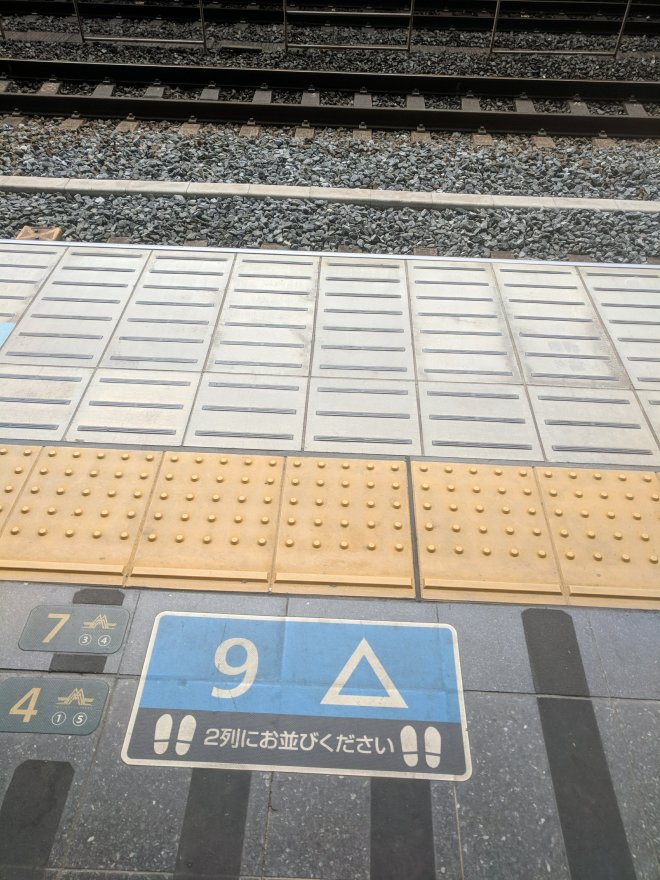
Japan is an orderly society and respects queues, so cutting into a line or jumping one’s place is unacceptable. The passenger cars are spacious, tidy, and comfortable.
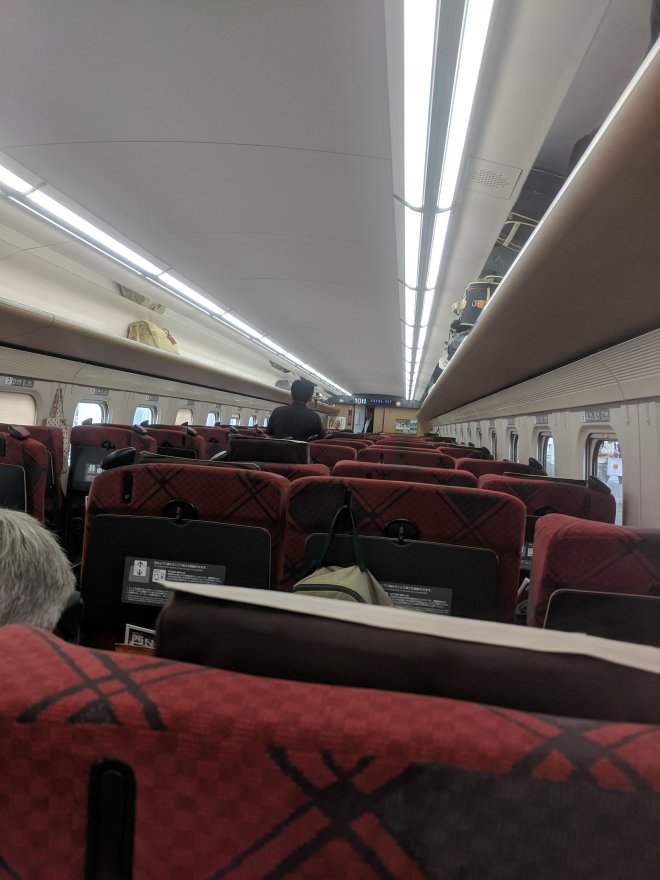
JR is in the process of implementing wifi service and outlets for ac/dc adapters on the bullet trains.
The commuter trains (and busses) in Tokyo and other metro areas use an electronic pass that is tapped against a reading device, rather than a ticket. There are several versions. The one we used is a Pasmo card which can also be used to purchase things like drinks from vending machines and items in some stores. Tickets can be purchased at machines in the station, and JR also issues passes for multiple trips.
The Japanese train network is extensive. Wikipedia provides an excellent overview.
Fortunately, once a tourist has used a particular type of train once, venturing forth again was straight forward and enjoyable. Foreigners should try to avoid peak travel times for local trains, however, to avoid uncomfortably crowded cars when train pushers are required.
Albuquerque has spectacular views from its extremely safe Sandia tramway. According to the tramway, “it ascends from a base elevation of 6,559 feet (1,999 m) to a top elevation of 10,378 feet (3,163 m).”
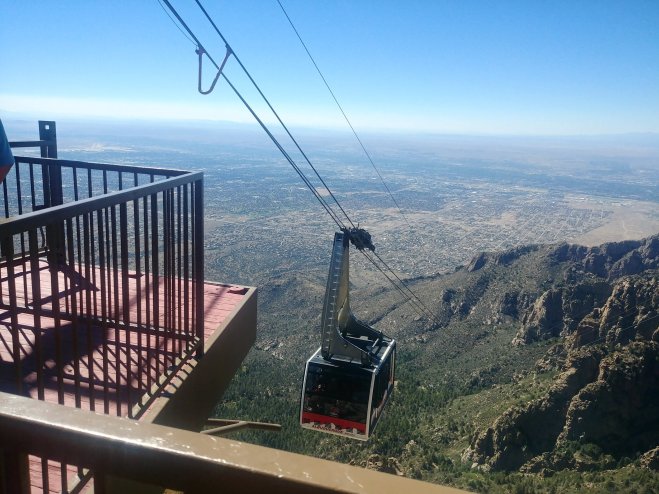
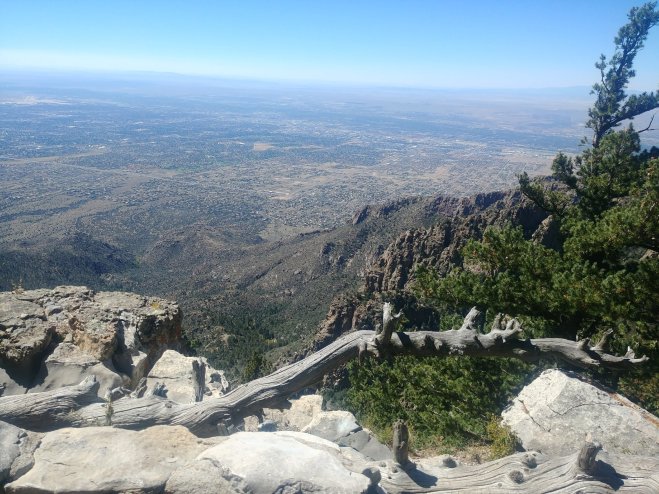
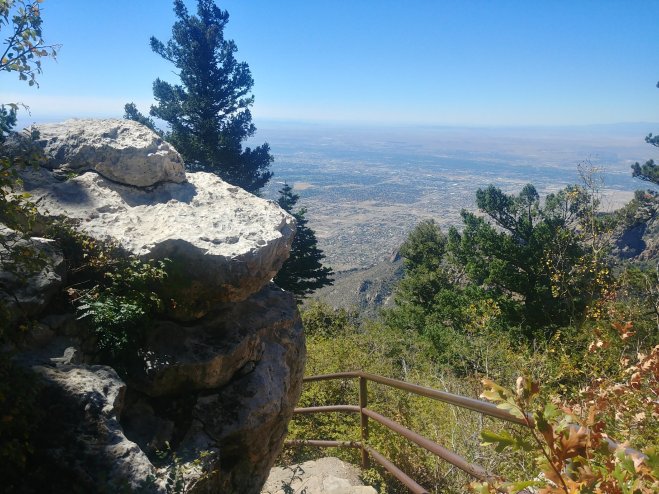
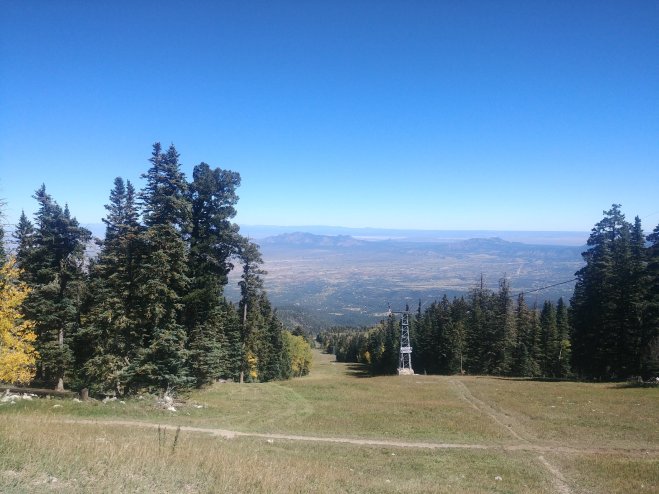
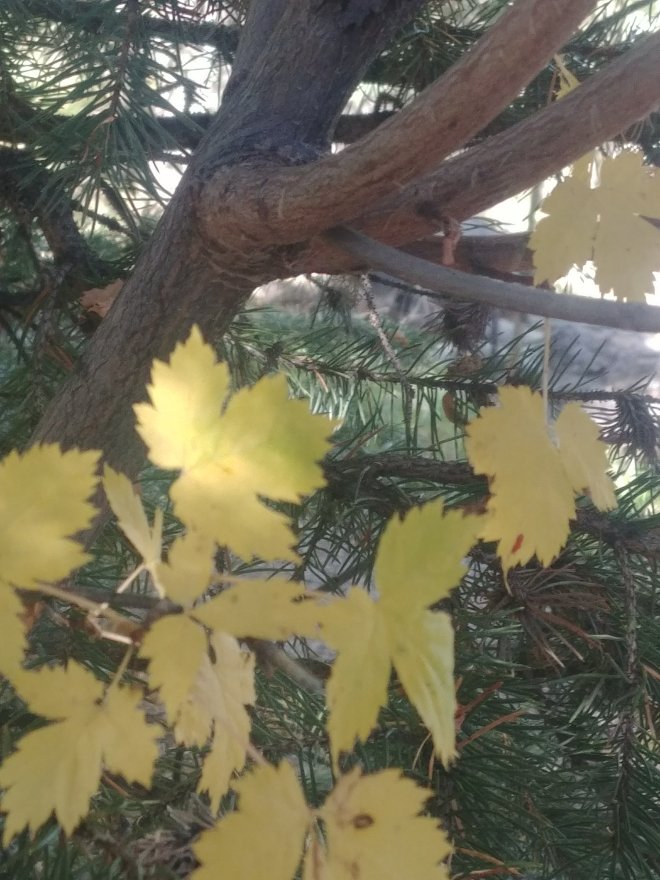
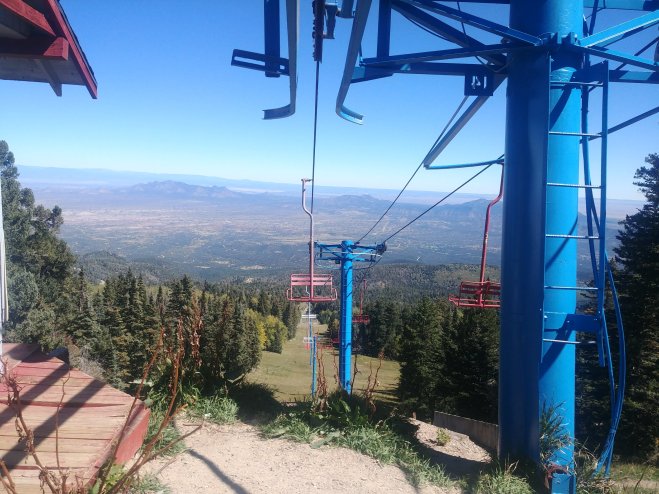
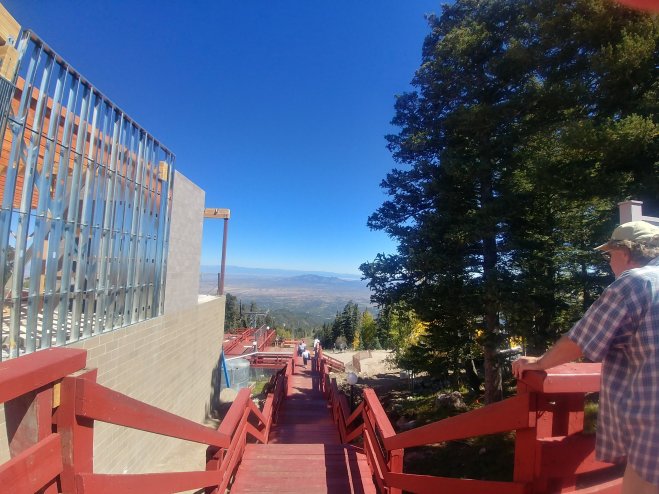
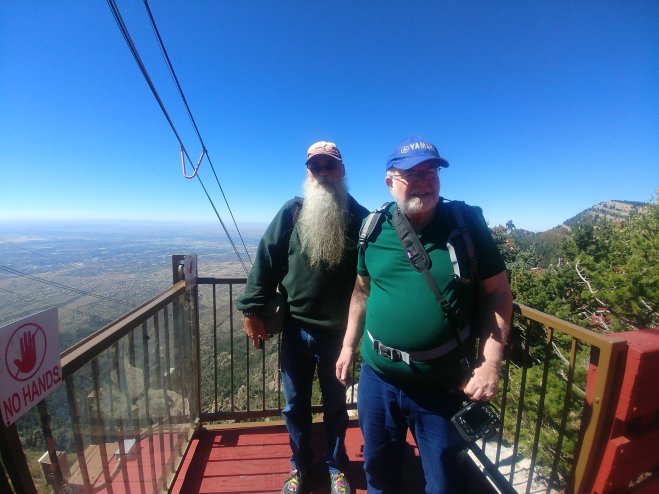
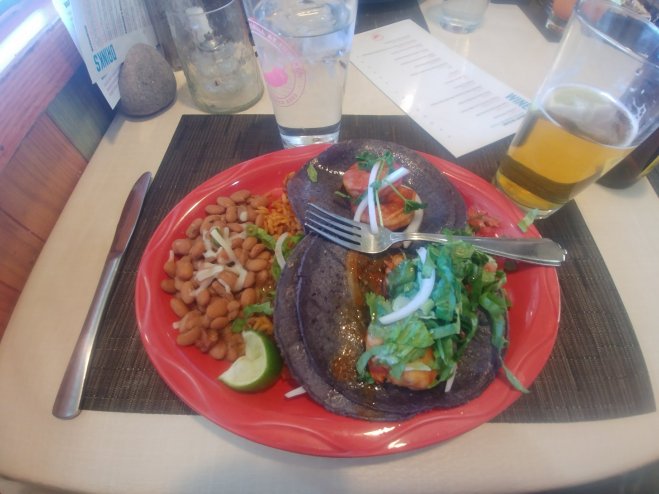
Afterwards, we stopped for food and drinks at the delightful Sandiago Grill at the base of the tram. In addition to fabulous views from inside and outside seating, their menu offerings have been jazzed up. The prices seemed a little higher than the last time I was there but are reasonable for the quality. My fish tacos were delicious. Unfortunately, this picture was taken after I’d messed up their plating. Forgive me, I was hungry!
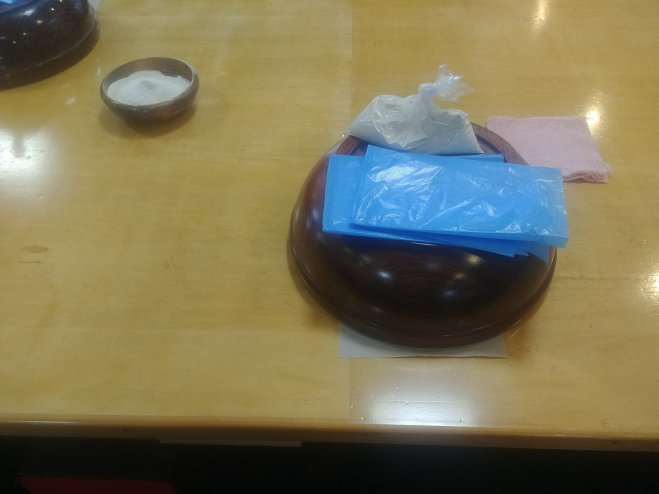

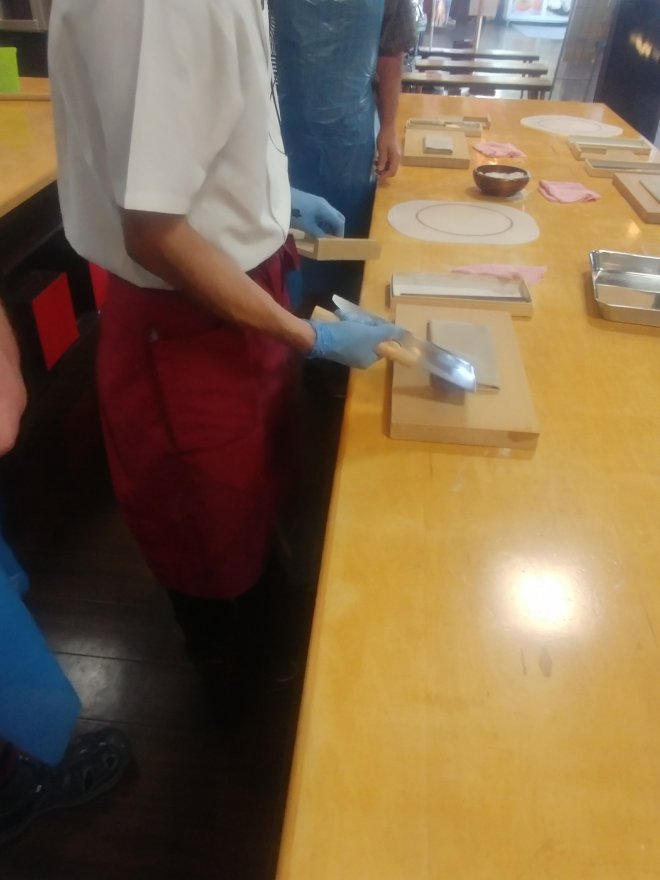
As you might imagine, our noodles weren’t done as quickly or as evenly as the instructor’s. It was a easy-sounding process in theory: lean the knife into the dough, cut, repeat. In reality, not so easy.
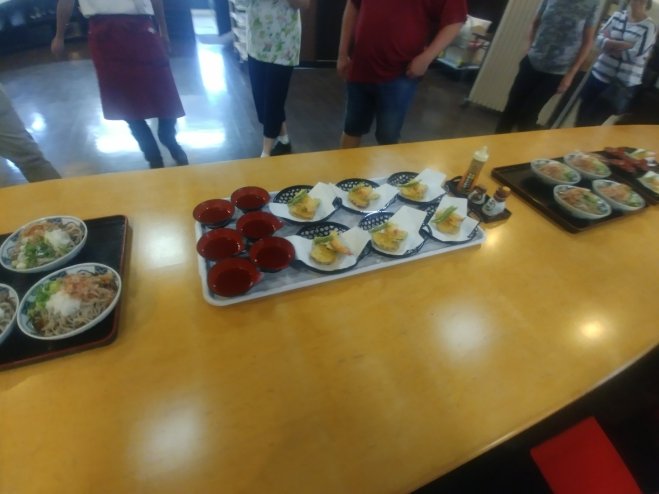
The soup can be served hot or cold. In this case it was cold. While I much prefer it hot, cold soba soup and eels are considered cooling dishes for hot days.
I’m still putting up Japan pictures but my brother and his husband are visiting us in Albuquerque, NM so I thought I’d take a couple of side trips on my blog.
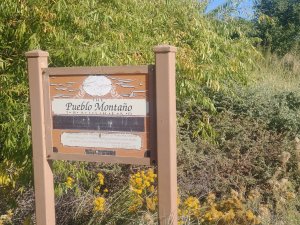
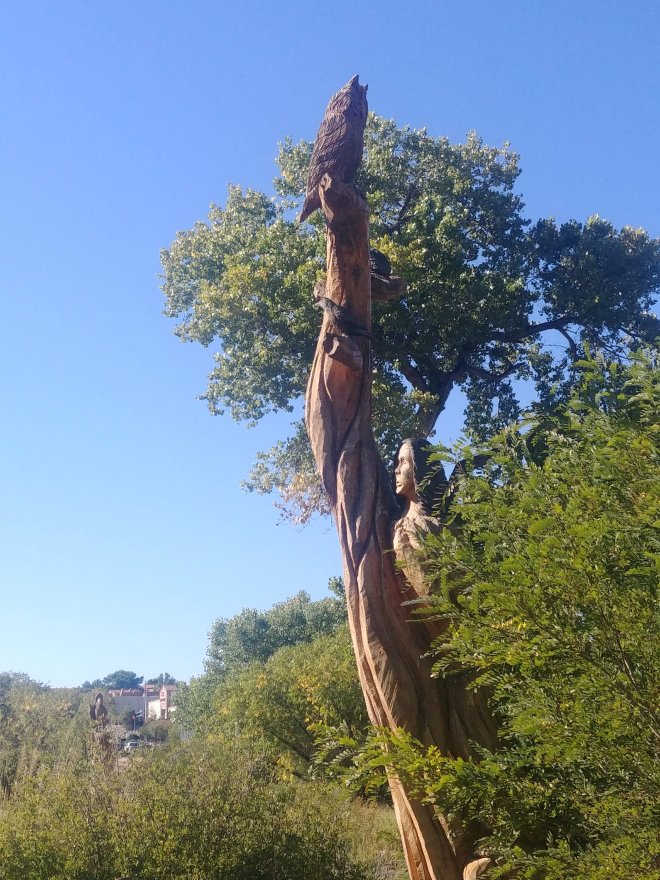
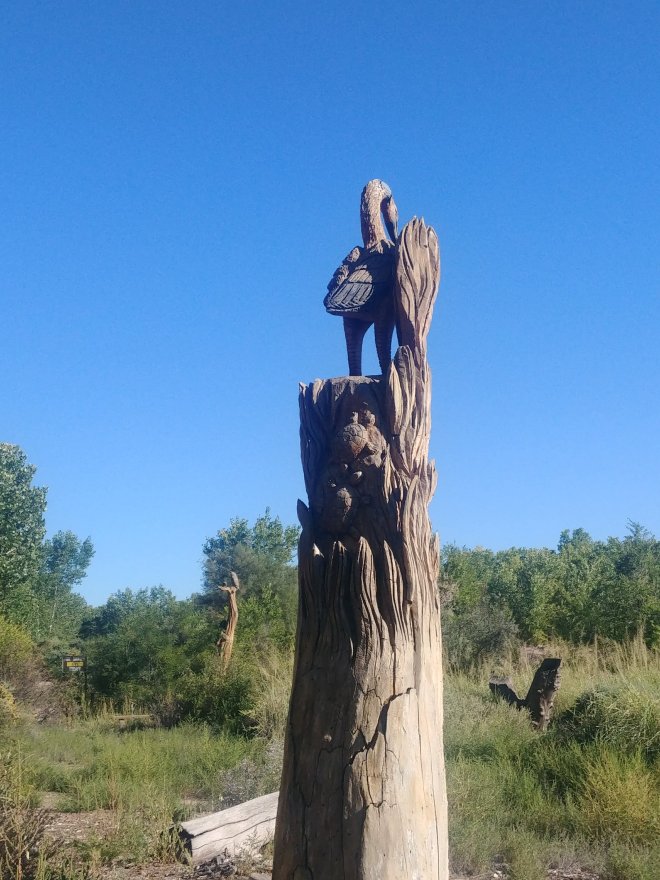
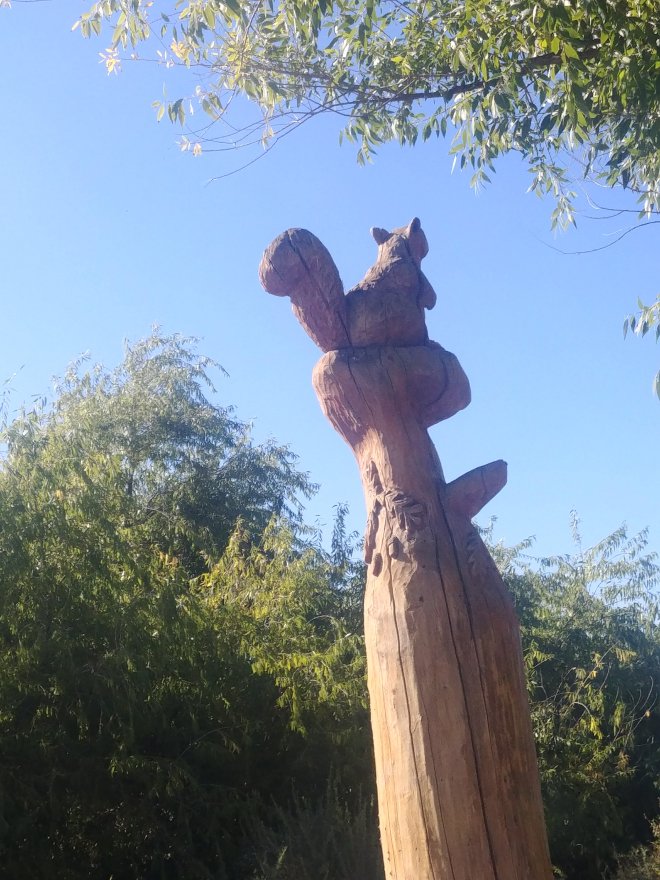
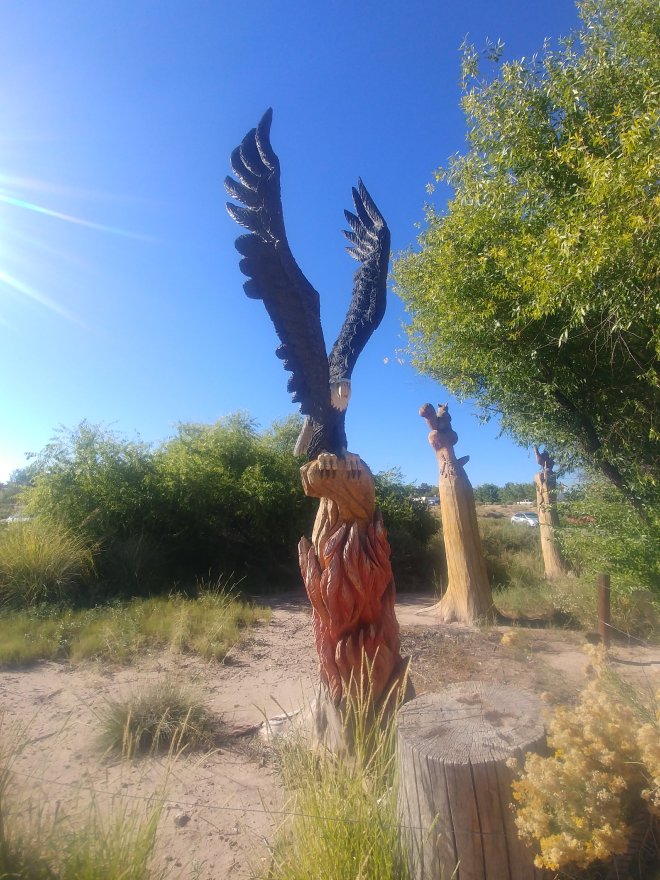
Onw of my favorite places to sit and sketch here is the woodcutters’ park at Pueblo Montaño. If you’ve ever watched chainsaw artists at work, youll realize how amazing these sculptures are.







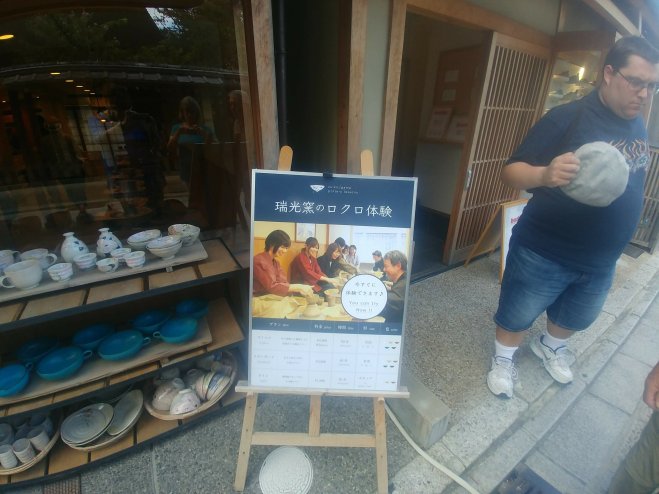
Here we’re heading into our pottery boot camp. I am an experienced handbuilder with clay but hadn’t done so well at my last attempt at wheel throwing. So I’m terrified.
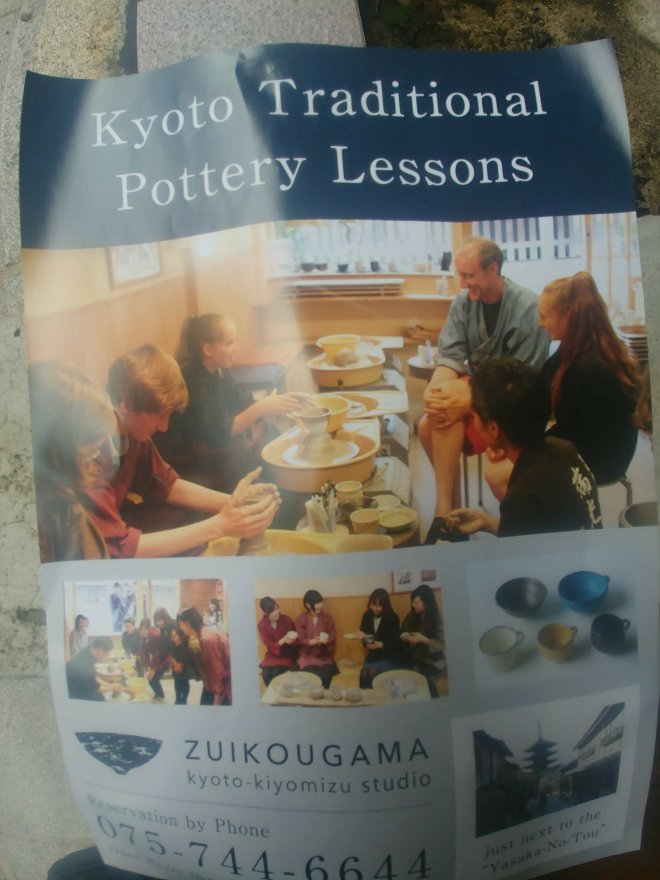

Here are our group members successfully making bowls and cups, with a little help from the staff. No wobbly pots here.

Our pottery studio has a long history. All our pottery will dry, be glazed, and fired behind the scenes. Then they will be shipped by boat to our homes. So we won’t see them for several months. This was fun, but not having a product in hand or finishing the project ourselves made it slightly less rewarding than other experiences. Still, it was a great hands on experiment and I don’t see how else the production could have been handled. Very professional staff made sure our creations were attractive and usable.
I love to travel but I also get tired and cranky about the details from time to time. So these are some tips and apps that really help.
Often on foreign soil
If you do a lot of international travel, the Global entry program is definitely worth the money. For $100 for 5 years, a bit of paperwork, and a personal interview, you can breeze through US customs, and simplify security at lots of airports. You also have the option of expanding your pass. U.S. Citizens enrolled in Global Entry may use the Smartgate system when entering Australia without registration. With a little more work, U.S. Citizens may apply for the Dutch FLUX program, the Korean SES program, Panama’s Global Pass or the Mexican Viajero Confiable program for expedited entry into those countries. Additional fees and enrollment interviews will apply.
Usually a domestic traveler
Run, don’t walk, to get TSA Precheck certification. For just $85 for 5 years, you will minimize your security line hassles and time. You will have to go to a local TSA office for fingerprinting, but if you fly even 1 or 2 times a year, it’s worth it for the much shorter and simpler TSA Pre lines. You whiz through security without taking off your shoes, removing electronics or liquids bags from suitcases. It’s heaven. I’m notoriously cheap and this is a service I will continue to renew for eternity.
One caveat. If you fly a lot, you may occasionally randomly be selected to go through regular security. You’ll know, as your boarding pass won’t say TSA Pre. It will remind you of why you want to stay in this program. Also, some airlines don’t participate in the program. I flew American Airlines/Japan airlines in a code share to and from Japan. Since American was a TSA partner, I had Precheck for my American Airlines flight to Tokyo but did not have it for my return flights on a Japan Airlines plane. This was annoying, as Dallas/Fort Worth airport makes you go through security again after exiting customs to take your domestic flight. No TSA Pre might mean you don’t make your connection. Fortunately, we had plenty of time but we had to go through an extensive check of the sake we had purchased at duty free.
Not quite enough for Global Entry
If you don’t travel enough internationally to justify applying for Global Entry, you’ll definitely want yo download the Mobile Passport app. It will whiz you through US customs faster than you thought possible. I still think you should just commit to traveling abroad more, and get Global Entry, but this is a good stopgap.
Phone solution
As you probably already know, most US carriers charge an arm, a leg, and more for coverage in most foreign countries. There are several options to bypass that. 1) if your card uses a SIM card, you can buy a prepaid SIM card for your destination 2) rent or buy a cheap burner phone with data for your destination (downside: your information won’t be on the new phone unless you use Google and log in on the new device) or 3) my personal favorite – rent a Wi-Fi to go option. In Japan, you could reserve a Pocket Wi-Fi to be picked up at your Japanese arrival airport and returned as you departed. The fees were reasonable and it gave you great coverage in rural areas. Combined with leaving your regular phone on airport mode but turning on free Wi-Fi in hotels, metros, etc. it was a reasonable solution. Use Wi-Fi calling for phone calls and you’re all set.
Maps and more
When it’s available and not in beta, citymapper is my favorite app for getting around big cities. Here are the covered cities, but they are always adding more. It does a superlative job of combining all forms of travel: bus, train, subway, on foot, taxi, rental bike, and ferry.
For other places, like Japan, Google maps/navigator is a good bet. These tips will help you get more out of Google maps. And if you’re driving, you might check whether the Waze app has good coverage in your area. The social media input can be invaluable in a strange city.
Photos and social media
Usually, I carry a really good camera (a big bulky canon with several lenses.) This trip had such tight packing requirements that I opted to just use my smartphone (an LG G6 with really excellent camera optics.) I also opened up this blog, so I could share this adventure with friends and family who want to go to Japan but cant go right now. The smartphone was ideal for blogging on the way, and I was thrilled with the surprisingly good photos and videos it created.
When I want to play with the photos before posting, the Pixlr app is easy to use and has amazing options. Honestly, I didn’t use it as often as I should because we were always on the go and somewhat sleep deprived.
Another app, PicsArt, gives the option of creating collages with your photos. The few times I used this option, I really liked it.
Filmora Go was my video editing app of choice. And if you are starting a blog, WordPress is the blogger’s tool of choice for good reasons.
Travel light
I hope these tips help. The other key tips will be covered in future posts. Always travel light, and take a mini pharmacy along especially for countries with unusual alphabets (Greece, China, Japan, Morocco, etc.) But more on that later. For now, Bon Voyage!
 Travels with Owen