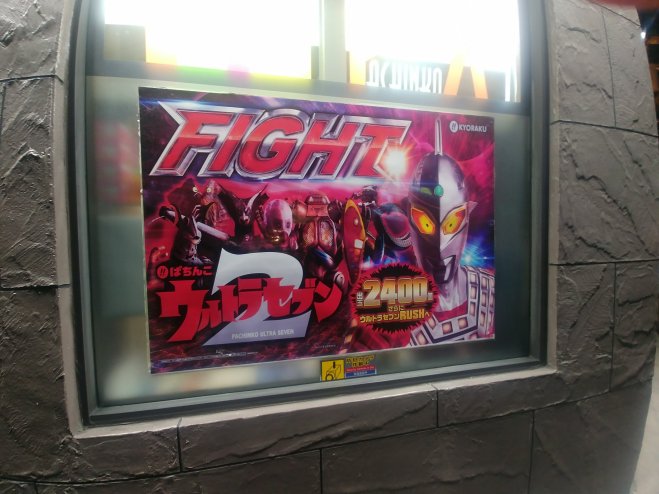
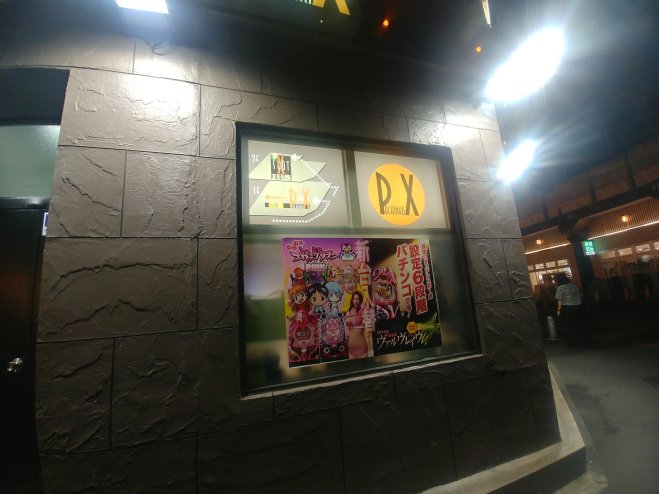
Pachinko machines are sort of a vertical pinball machine. One of my coworkers collected antique models (at what I considered exorbitant prices). So I was excited to see Pachinko parlors near our hotel. The older models are classy in the same way as classic movies. The newer models are glitzier but the concept of play remains the same.
If you’re interested in playing pachinko, this link https://www.wikihow.com/Play-Pachinko gives a good description. From Wikipedia: “By 1994, the pachinko market in Japan was valued at¥30 trillion(nearly$300 billion). As of 2015, Japan’s pachinko market generates more gambling revenue than that ofLas Vegas,MacauandSingaporecombined.”
The entire Wikipedia article and references is at this link. Now, pachinko is spreading, mostly to other Asian countries, so it’s a trend to watch.
One of the most appealing things about travel is noticing little details that are different from one country to the next. Bathrooms and hotel amenities fall into that category in Japan.
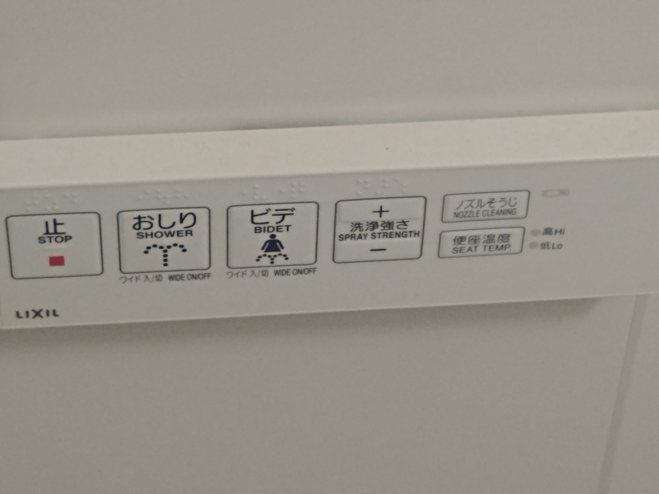
Most Americans and Europeans fear the hole in the floor toilets seen occasionally at restaurants and department stores, simply because we’re unsure of how to use them. But the Japanese also have some of the most high tech plumbing on the planet, as is shown by this toilet menu from our hotel.
Also at the airport, I went into the bathroom marked “women” and immediately panicked when I saw all the infograms of a male figure using the various types of toilets. No need to fear, they are just there to indicate the type of toilet inside each cubicle. And unlike our toilet stalls, Japanese cubicles do not–at least so far– have spaces where the door closes that one could look into. They are very discreet.
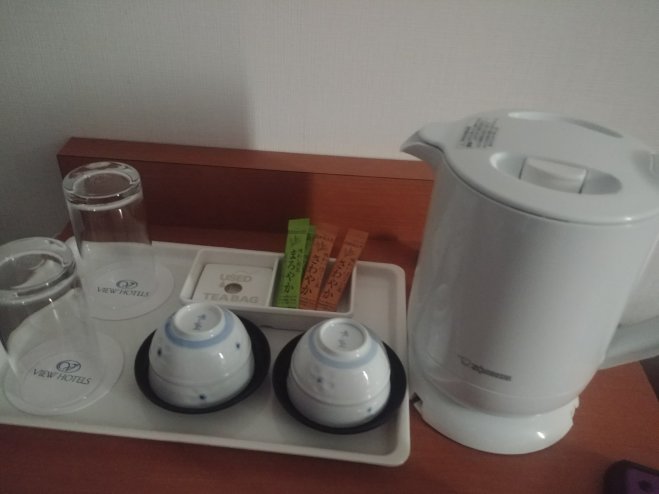
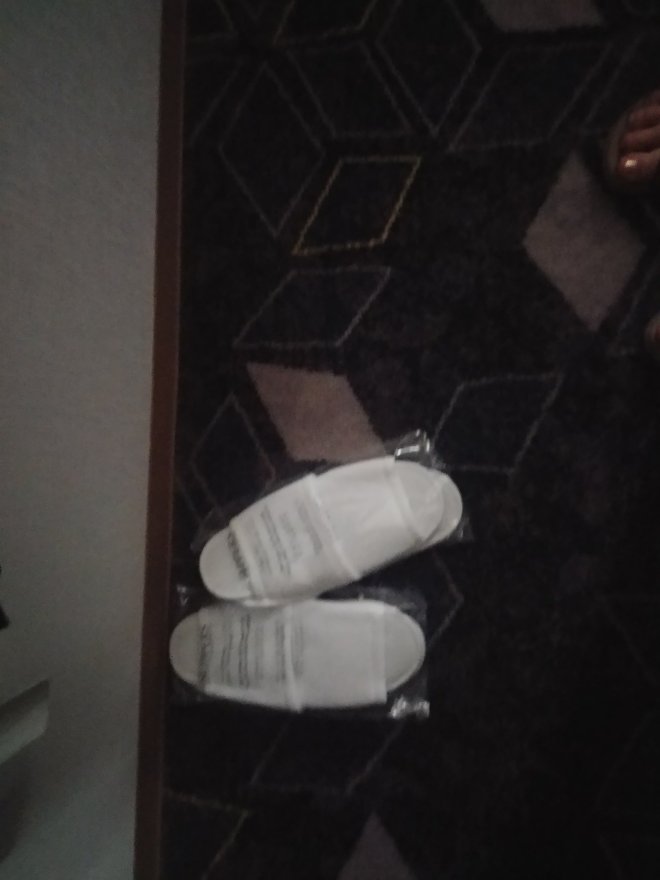
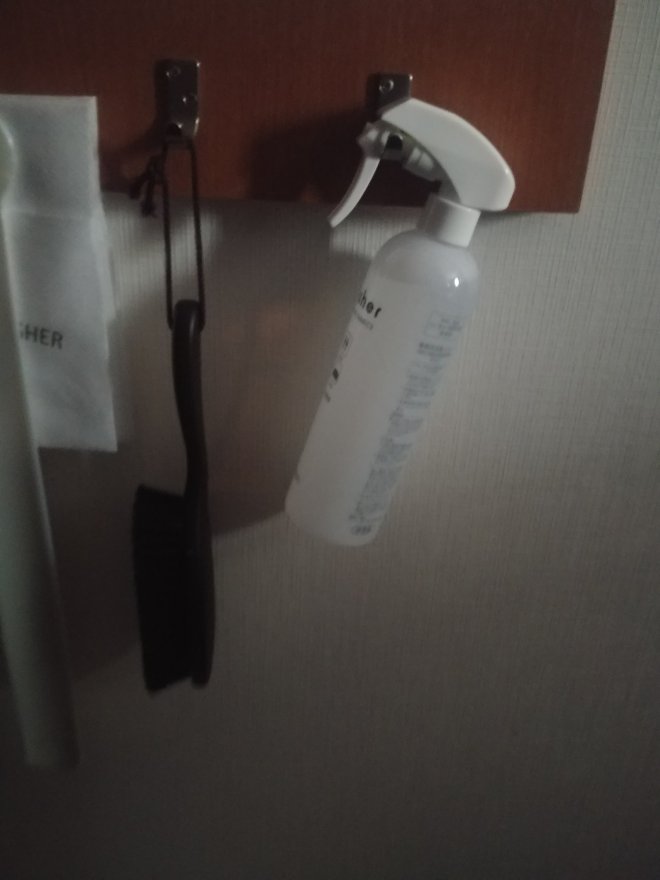
Other fun amenities from our hotel include a tea pot (instead of a coffee pot), an earthquake torch (flashlight), and hooks and hangers on the wall to minimize space use. And of course, slippers and free toothbrushes and hairbrushes. And for those who are wondering about my toothpaste tablet experiment (from Lush). You chew the tablets a little bit and then brush. They taste a bit like a minty, baking soda, charcoal mix. Not bad and less for the TSA bag.
My favorite amenity at this hotel is a pre charged, preloaded cell phone that you can use to get around town with. It was a joy when we went off by ourselves.
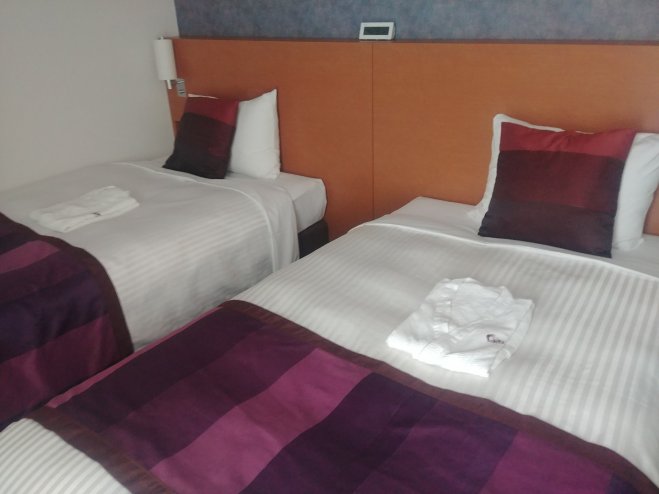
The robes were a nice touch too. Well off to bed again to see if a can get a little more sleep. I slept 6 hours at my first stretch so the jet lag hasn’t been awful.
One other surprising aspect of. Japanese bathrooms is that all the toilet paper is one-ply, without perforations. It works fine but somehow the Japanese are able to tear it off in a perfect line. Mine looks like my dog Owen has been chewing on it.
Some of the Japanese bathrooms have music playing so others don’t hear your process. Itoya’s bathroom had nature sounds music. It was lovely. And one held one’s hand up to a wall panel to flush. Really slick. The hand dryers actually work perfectly here, and the bathroom stall locks are an engineering marvel. They swing smoothly into place to lock the door securely.
Despite two months of Japanese on duolingo, I don’t speak Japanese. I can read it sometimes, even write a little but saying the words is terrifying. I’m certain that instead of saying hello, I’m saying “You are a walrus.” Or perhaps I uttered something even more offensive.
So I did what any teacher’s daughter would do. I made flash cards! One side has the Japanese and English translation, the other has my best guess of how I’m supposed to pronounce it. For example, Good morning in Japanese is pronounced a bit like Ohio, our state. And English sounds like a bit like Eggo (the toaster waffles) so that’s my cue.
So my plan is to point at the Japanese for whatever phrase I’m mangling so that the recipient can read it and realize that I didn’t mean to insult him. I made an extra set of cards for Ray. Now we’re just a couple of days away from testing the strategy. Fingers and flashcards crossed.
American tourists are often somewhat unsettled by Japan’s almost totally tip-free culture. One doesn’t tip cab drivers, doormen, hairdressers, the list goes on and on. An attempt to tip your server at dinner or a bartender at a bar could be offensive and puzzling to the recipient. Needless to say, this should be bliss but cases angst and guilt for Americans coming from a must-always tip environment.
One also doesn’t usually tip maids but there is one exception, at a higher-end ryokan (Japanese style inns often found in hot spring resorts.) In that situation, the tip is more of a “thank you for letting me stay here” than a tip’s “thank you for excellent service” meaning. For one thing, the tip is given at the beginning of a stay, not the end, and must be a clean, crisp bill in a nice envelope. I took it a step further and added little thank you cards in japanese with my envelopes.
We will present one of these card and envelope sets with a clean 10-2000 yen bill inside to the maid who shows us to our room. The amount depends on length of stay and the current currency exchange; we’re only staying one or two nights.
If you’re visiting through a tour, you might give a tour guide a thank your envelope at the end.
I made extra because we can always pull out a card (no envelope) and leave it the table after a super nice meal when the server couldn’t understand my mangled Japanese.
While tips are unwelcome, gifts for hosts are required. More about that later.
Most U.S. phones don’t give free phone calls and data in Japan. So what is a data addicted traveler to do? If you have a 3g/4g phone you can almost surely use it over Wi-Fi, especially in large cities like Tokyo and Kyoto.
A basic plan Step 1:
Turn your phone to airplane mode which eliminates the risk of unexpected and pricey roaming charges. When near a free WiFi location, turn on Wi-Fi and GPS/location while staying in airplane mode.
Step 2:
Leave your phone in airplane mode but manually turn on Wi-Fi and location when you are close to a known free spot. Get familiar with all the places that offer free Wi-Fi. Tokyo and Kyoto metros offer free Wi-Fi, which combined with Google maps will guarantee you get off at the right subway stop. Since the map is still available after you exit the station, you will still have the steps
The luxury solution
If you’re spending a lot of time in rural areas or need to be always connected, whether for work, or your facebook addiction, you can rent a pocket Wi-Fi at the airport. Definitely order one online in advance as they are popular. Here is basic information to get you started if flying through Narita airport. https://www.econnectjapan.com/blog/pocket-wifi-rental-at-narita-airport/
Actual phone calls
Most 3g/4g phones have the option to make calls over Wi-Fi. Unless you make a ton of calls, this should be adequate. If you’re a phone call person, and have a removable sim card, you can get a new sim card for Japan. Check on whether it includes text messages. If not:
Text message savvy
Use something like Facebook messenger that can avoid text messaging fees when used over Wi-Fi.
Obviously, I’ll be a lot smarter about this after our trip. If I have more tips, I’ll add them then.
Our dog Owen likes flowers, so he liked the idea of going on a flower hunt. The Albuquerque Botanical Gardens has wonderful flowers, and had a bonsai show last weekend, but that is a dog free zone. Too bad, they have wonderful summer evening concerts starting in June.
With Owen curled in my lap, “helping”, we used Field Trip (a useful app from Google’s internal startup, Niantic Labs) to find the Albuquerque Rose Garden. For those who don’t have a helpful dog to help you find great apps, Field Trip is one of the best ways to find out underappreciated gems to visit, whether in your home town or while traveling. As you go through a neighborhood, cards pop up telling you about great restaurants, historical sites, unique architecture, and other items you probably would have missed if it weren’t for the app. And if you want to get deeper into the magic, Niantic Labs has created an online, multiplayer, science fiction and GPS-based game that uses the sites from Field Trip, often as portals to be hacked. Ingress basics are explained on Wikipedia. The game is currently available only on Androids, but is scheduled for IPhone distribution in the future. If you want to get into a world-wide phenomenon, download the game from Play Store, and then go here for the back story before you start playing. Once you choose a side, Resistance or Enlightenment, you can’t change.
Anyway, after taking some time off to play Ingress, Owen and I went to find the Tony Hillerman Library using Waze, my favorite navigator app because it combines chat, cute graphics, and good navigation. Despite my lack of directional ability, Waze got us to our destination, a simple local library surrounded by beautiful rose beds . Somehow, it just seems right that all these beautiful roses surround a library dedicated to one of my favorite authors. Of course, anyone living in New Mexico who hasn’t read his Navajo Tribal Police novels just doesn’t belong here. After his death, his daughter added to the series, but we still miss her dad. As we admired the roses, and snapped some pics, volunteers from the Rose Society were busy weeding, watering, and spraying the roses. This time of year it is almost a full time job for the volunteers, which is probably why several asked me whether I’d be interested in volunteering, black thumb and all.
With approximately, 1,200 roses, and more to come, the Albuquerque Rose Garden is a fabulous place to wander, read a book, or close your eyes and smell the rich aroma of the older types of roses. As scientists worked hard to make the most beautiful rose buds and flowers, often the glorious scent was lost. But fortunately, the garden has many beautiful older varieties that smell just like your memories of your grandmother’s rose garden.
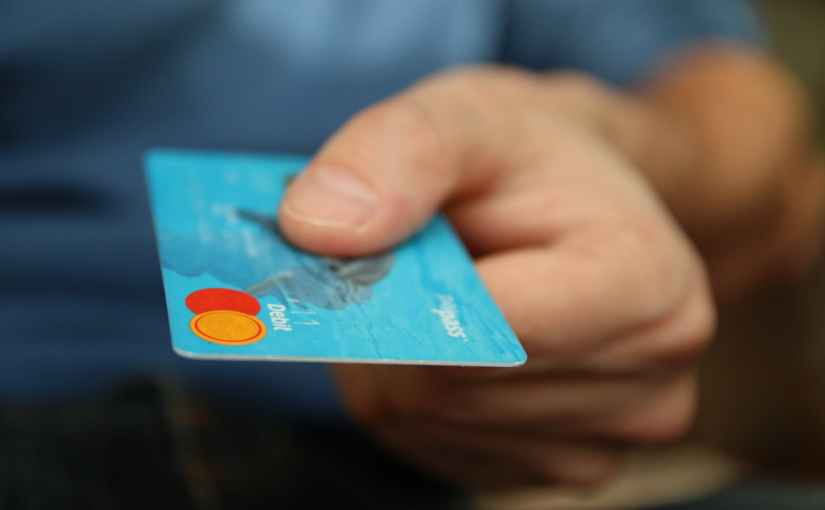
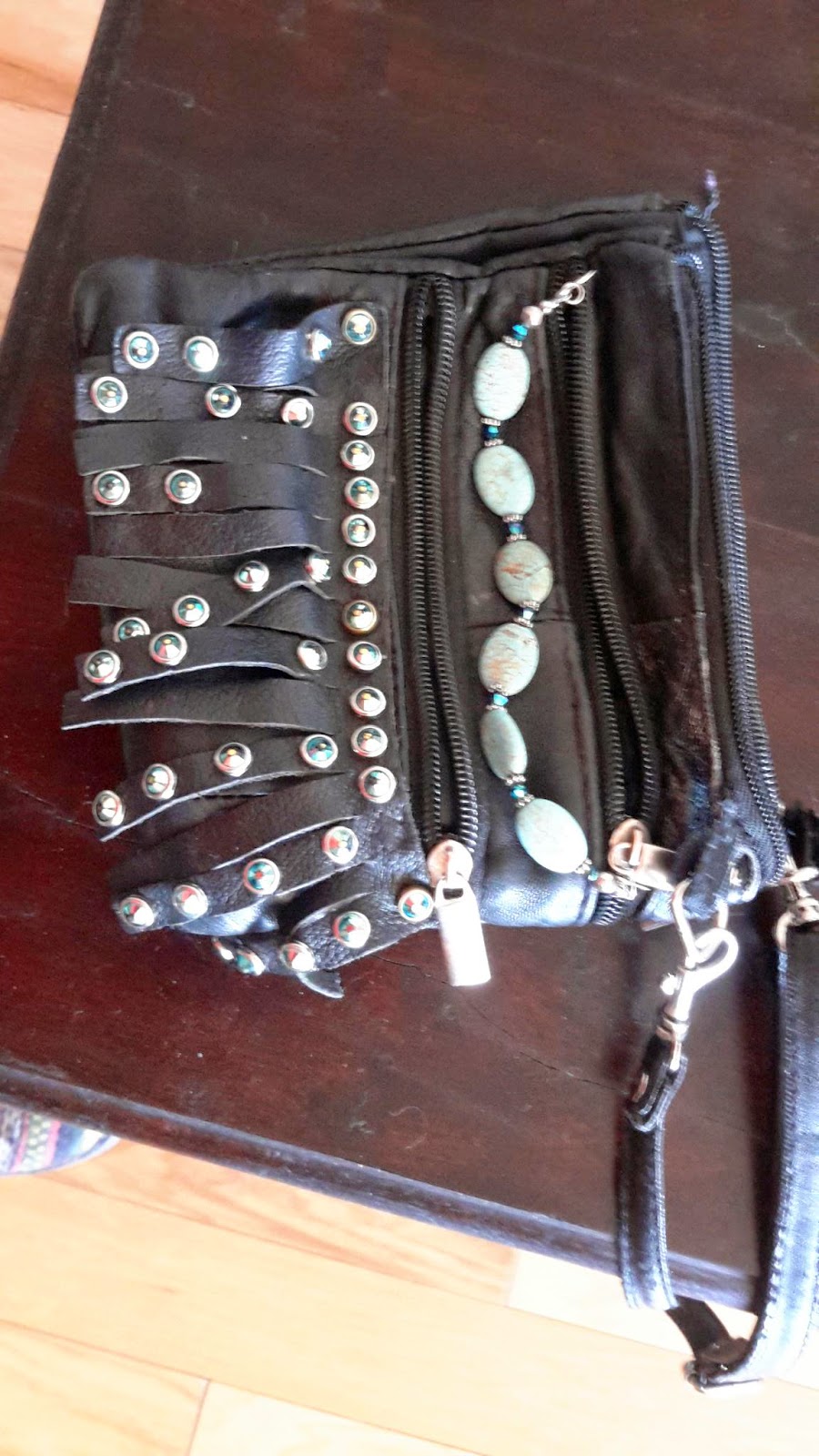
Over the next few months I’m going to test whether it’s possible to travel throughout New Mexico and Alaska and other sites without cash. So far I have managed to use credit cards at unlikely spots such as very small stores and craft fairs. Caught cashless at a cute craft fair, I was pleasantly surprised when the vendor used an iPad with a card reader and software from Square (https://squareup.com) to process my purchase and send me an email receipt. While it has been over a year since I got this purse and it’s showing the results of daily abuse, it’s still one of my favorite fashion finds. Now the question is. . .how far can I take the cashless phenomenon? Can I spend a year of traveling and purchasing without using cash?
This article talks about some of the pluses and minuses of the new retail technologies the future of retail checkout
Recently, a friend told me she had called 311 when she was lost to ask directions and complained that they had been rude. While I was pretty sure that wasn’t a normal request for that agency –which may explain their reaction, however inappropriate; I realized that I was a little fuzzy about what some of the other X11 numbers were used for. So I got into my internet spaceship in hopes of discovering new X11 worlds.
111– In the United States, this is usually seen on a cellphone bill in the summary of calls or messages. Cell companies use it to describe a call or text generated online and sent to a phone, for example by Yahoo messenger. However, if you are visiting New Zealand on your Hobbit quest and get attacked by Orcs or other fiendish creatures, 111 is the go-to number for emergency assistance. But, in the United Kingdom, if you look the wrong way when crossing the street and get banged up by a lorry, call 999 if you need an ambulance or medivac right away, and 111 for urgent care type services. Confused? You aren’t alone. Confusion over 111 in UK.
Fortunately, most of the subsequent numbers in the series are less complicated. 211 – This would be a great tool if anyone knew it existed. The Alliance of Information and Referral Systems and United Way have made a one stop portal so that a person in need no longer needs to drown in a black hole of agencies, forms, and procedures to get help. Instead, a person who needs help with food, housing, employment, health care, or counseling can call 211 and a 211 operator will connect them with the help they need. I have not tested this, and hope I never need to, but I certainly have friends who could have used this service in the past. So pass the word. Use 211 for help with United Way type services.
311 – In addition to being a rock band that has just released a new album, 311 is used across the country by city and police administration for non-emergency calls. In Albuquerque, where I live, the 311 website, phone app, and call center handle a dizzying array of issues. The Albuquerque 311 site handles questions ranging from trash and recycling, to pets and wildlife, and has links to health, safety and social services. With the phone app, I can take a picture of graffiti, a yard overgrown with weeks, or another health issue, and report it immediately.
Call 311 for graffiti and other problems. Photo by Pixabay on Pexels.com
The 311 center staff email me when the problem has been resolved so I can confirm that it has been taken care of. I can also check the website for local events, library openings/locations, bus schedules, road construction, and myriad other useful things. While I can also commend a police officer for excellent service to the community via the website; sadly, the link to report police misconduct has probably gotten more use in Albuquerque lately, what with a series of shootings by police of mentally ill citizens.
411 – This is your phone book when you misplace your phone book; a local directory assistance number for people, and businesses. Long distance directory assistance still usually uses 1-area code-555-1212, but the 411 website doesn’t restrict your searches to the local area. However, while it was able to find my husband’s address and age, it didn’t find his phone — a cell phone. The same was true for my record, so if you want to call my house, you’d better already have our phone numbers or be prepared to use some of the more invasive programs to track someone down. Even in that case, don’t expect perfection. I tried www.instantcheckmate.com and it had me still associated with my ex-husband rather than my second husband of 22 years.
511 – Are you stuck in traffic, want to report a horrendous accident that is blocking all the lanes of the freeway, or want to know what road conditions are on your route? 511 is your friend although it is still not completely implemented in some areas. NM 511 road conditions is the website for New Mexico’s travel information, but calling 511 from any location should get you routed to the appropriate transportation network for your location.
611 – If you are a cell phone user, this number for customer service is probably already loaded in your speed dial.
711 – This wonderful number connects the hearing impaired with hearing listeners. The person with a hearing or speech disability uses the telephone system via a text telephone (TTY) or other device. For more information.
811 – The national “Call Before You Dig” number helps ensure that you aren’t going to excavate a gas line or other utility when planting that pretty tree in your backyard. So, call before you dig, won’t you!
911 – For real emergencies only. This number can be the difference between life and death. One of my friends is a 911 dispatcher and I’ve truly come to appreciate how challenging and stressful her life can be, and how critical her work is to the community. For all you emergency dispatchers, everywhere, I admire you, appreciate you, and hope I never have to call you!
Like most reasonably charitable people, I’ve always believed in “paying it forward” even before the book and movie made the concept famous and it got its own foundation. But lately, I have wondered how to draw the line between doing the right thing for others, while still leaving time and energy for my family and myself. A homeless couple approaching me for a place to stay prompted the reevaluation. Since the woman was pregnant, I felt like I was turning away the Virgin Mary and the baby Jesus. But, my fear of a bedbug infestation, and a sense that the couple weren’t what they seemed, stayed my natural generosity. (The last place they had stayed supposedly had bedbugs, and I was very aware of how easily the little bugs transfer from clothing and belongings to new digs – in this case, my house.) So I didn’t invite the questionable homeless couple to bunk at my house. Despite her apparent pregnancy, and their cute little dog, I decided to trust my con-meter, and walk away.
But all the way home, I felt guilty, despicable, and low. Was I inherently selfish?
Later, as I discussed it with a friend, we developed a long list of all the people who I support emotionally and physically. Perhaps, I had taken “paying it forward” a bit too far. Lately, I have been struggling with exhaustion, in part from a sense that I never had time to do the things that really mattered to me. After reviewing my schedule, it turned out that I was trying to support more people and activities than was possible for me — at least if I wanted to have any energy left for my own projects. So, I reviewed my commitments, evaluated where I really felt I was making a contribution (the English as a second language classes I teach, for example) and the situations that were draining, but didn’t seem to appreciably improve the world. After that analysis, I cut some charitable activities out of my schedule (for example: shoveling horse manure out of the corral did help the horses, but it took an hour to get there and an hour to get back back, and I was physically exhausted afterwards.)
Even though I’ve trimmed my planned activities, I will continue to try and brighten salesclerks days with some light friendly banter and a smile. And I’ll happily petsit for my neighbors, or share my cookies with my elderly neighbor who loves cookies but doesn’t bake. And I left a core group of “pay it forward” activities in my schedule. I don’t want to stop saving the world, but I want to save myself as well.




 So I did what any teacher’s daughter would do. I made flash cards! One side has the Japanese and English translation, the other has my best guess of how I’m supposed to pronounce it. For example, Good morning in Japanese is pronounced a bit like Ohio, our state. And English sounds like a bit like Eggo (the toaster waffles) so that’s my cue.