Dye Diva

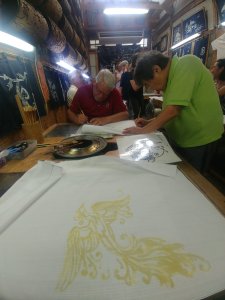
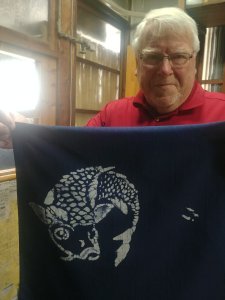
We had a great time creating wax resist pictures on cloth and then dying them. The dye bath is a mix of blue, black, and green to give an intense color.

We used several layers of hot wax on a piece of fabric to create our designs.

After dipping the piece in dye, we used hot water to remove the wax. Then we ironed the piece to dry it out for transport. (Except for t shirts, which had to dry normally.)

Hobonichi Journals Plus Pens Equals Nirvana

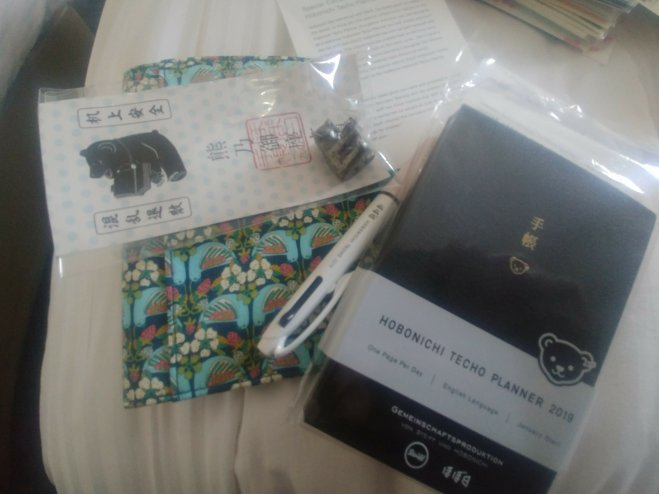
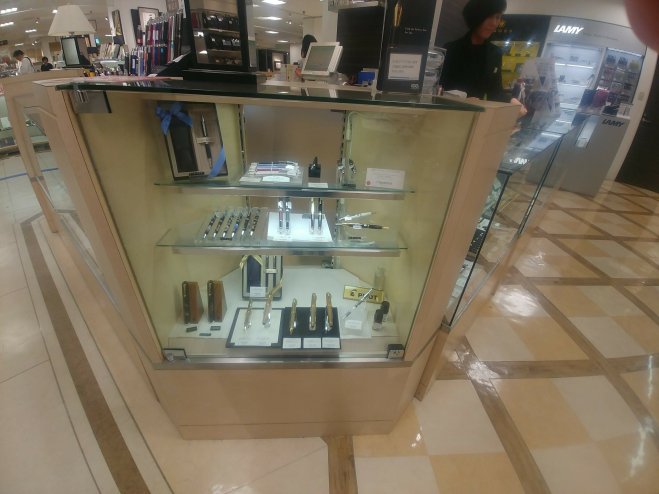
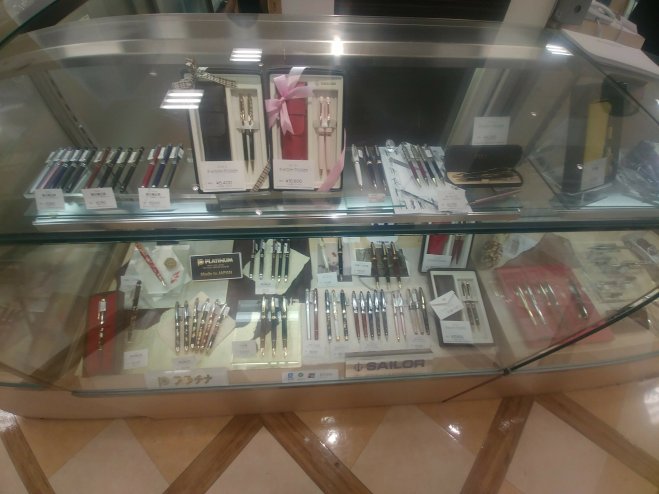
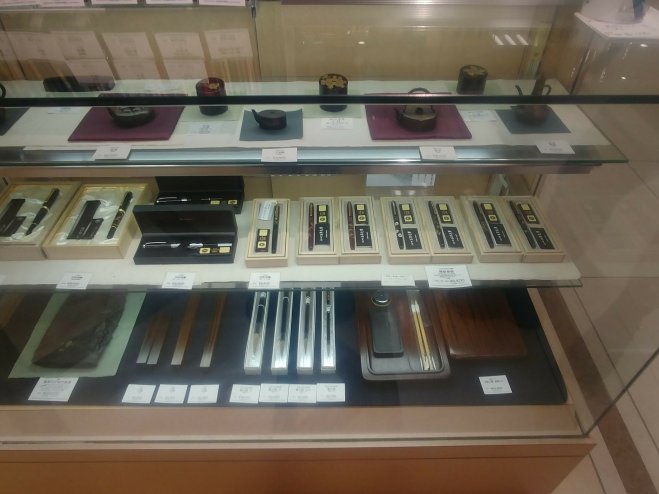
Today, we went to Tobichi to get a couple of Hobonichi planners (one for me, one for gift). We also went to the luxury department store, Daimeru, to pick up two pens, one is a gift for a family member, the other was a souvenir for me.

I liked that we got a couple of gifts with my Hobonichi planner.

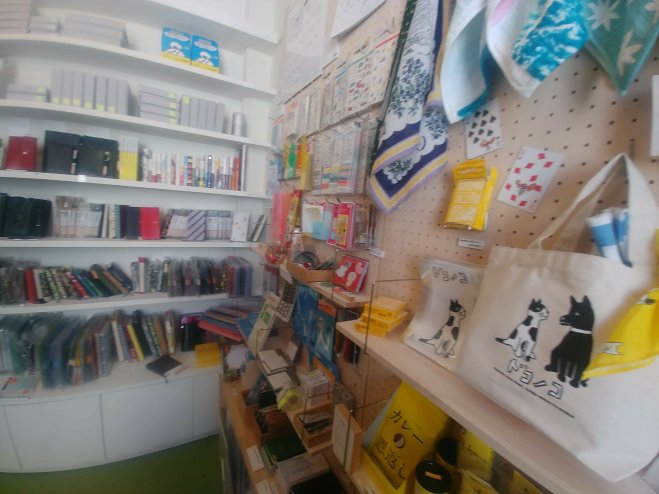
Tobichi is Hobonichi planner nirvana. It’s on the fifth floor of its building but it does a lot with a small space and the staff members are extremely friendly and helpful.

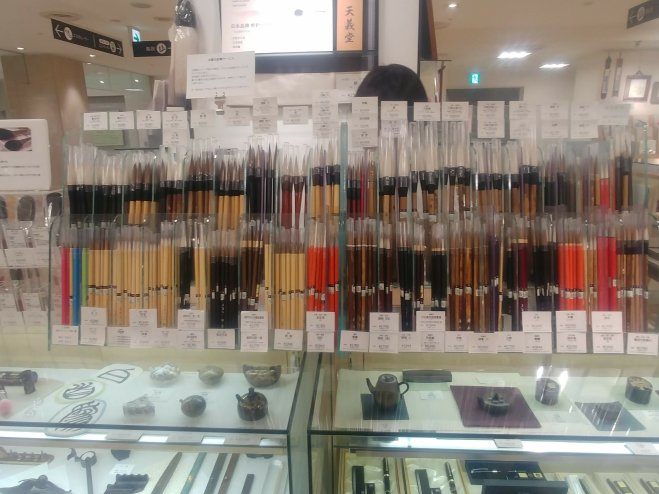
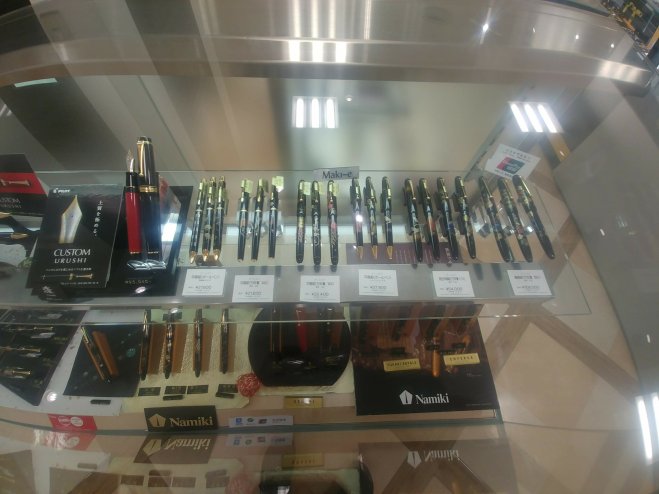
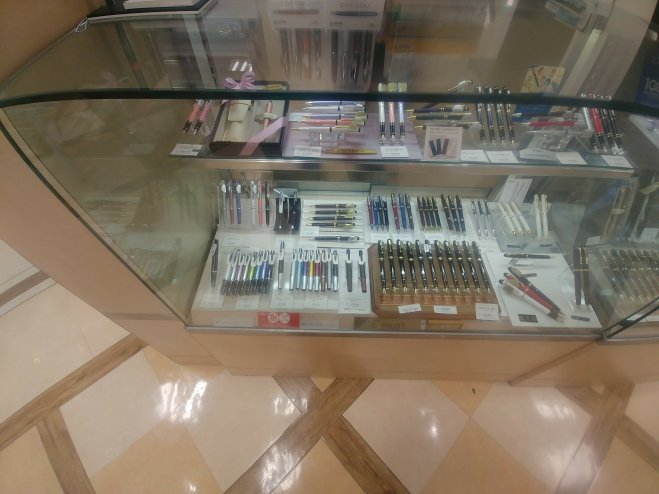
At Daimeru, the 6th floor has a nice selection of pens, papers, and sumi-e supplies. I got a vermillion Pilot to match the Torii gates in Kyoto. Note: Many blogs suggest that department store stationery sections are in the basement. The ones we found tended to be higher, usually around floor 6.

I was tempted but didn’t get any sumi-e brushes as our dog Owen has developed a taste for them and these were quite high end.

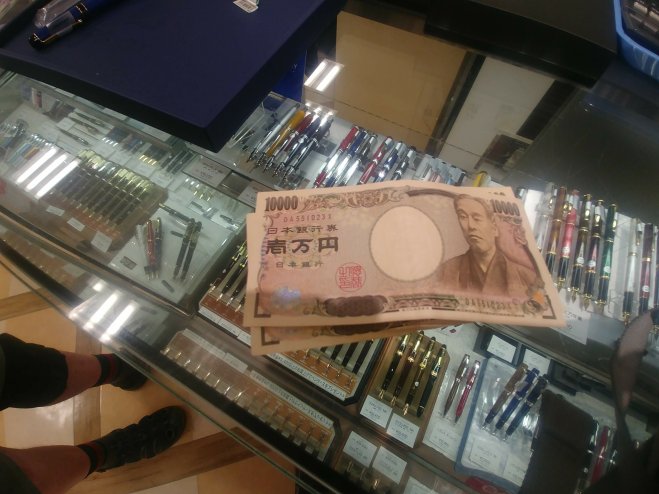
In Japan, I always feel like a big spender!

Surprise Amemities

We were a bit surprised by the amenity mix in Japanese hotels. There was no hand lotion anywhere, but the hotels provided some things that our hotels don’t.

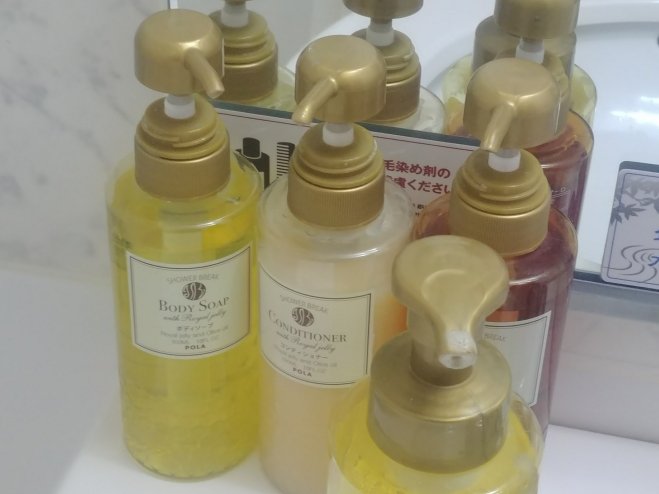
Typically, shampoo, conditioner, body wash, and foamy bath wash (for a total of four years bottles) came in big containers with pumps.

One hotel provided the little bottles we’re accustomed to in the states, but they were cute little glass bottles.

One hotel provided washing net balls. It’s hard to tell from this picture but the bathtub wall is about a goot higher than we’re used to.

Along with the fancy toilets came toothbrushes and toothpaste, plastic hairbrushes, shower caps, hair scrunchies, and razors.

So pack lotion and skip the rest!

Kimona Party at the Tea House

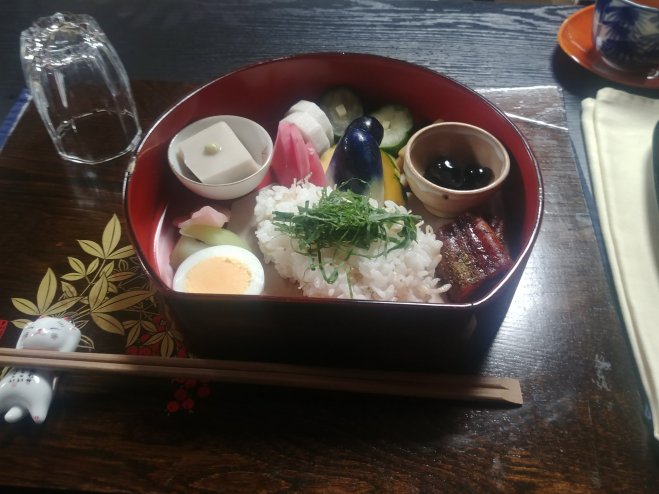
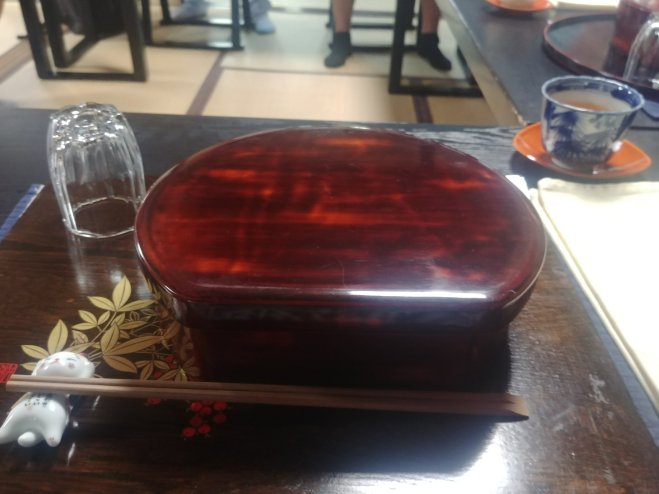
Bento Box Lunch

Nine generations after a village money lender moved to Kyoto to establish a kimono tailor shop, the family still carries on that business and operates a traditional Japanese tea shop. The ground floor hosts their businesses; the second is their residence.

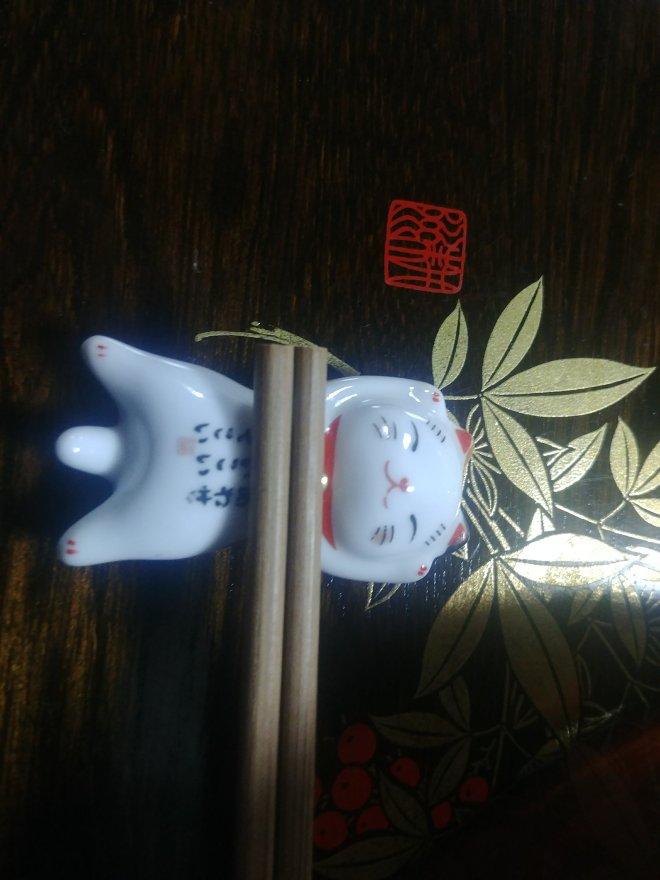
Chopstick rest

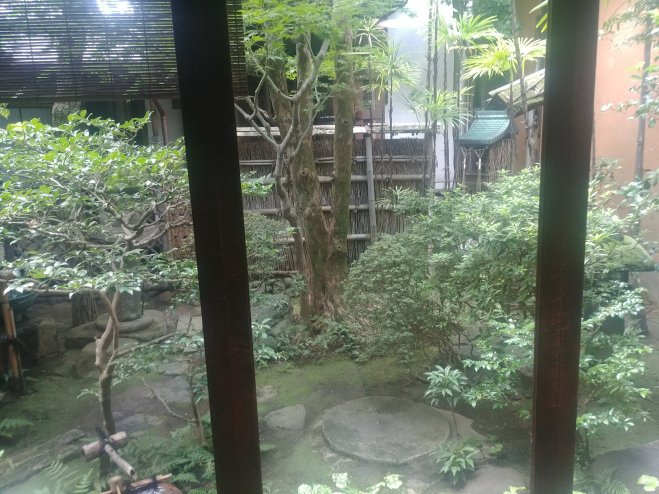
Built long before the advent of electrical lighting, the rooms are oriented around two gardens open to the sky in order to admit sunlight. The smaller garden is about 6’x6’ and the larger is about 15’x15’ with a pleasantly sounding trickle of water from a hollow bamboo tube.

Patio at teahouse

Closed Bento box

Two small separate alcoves shelter both a Shinto and a Buddhist shrine. An alcove denotes great esteem, so being seated near an alcove reflects one’s high status.

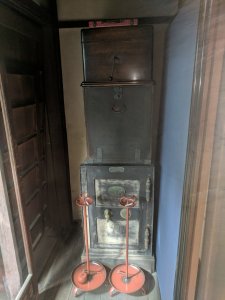
Safe from original money exchange business
The founder designed a room for Noh theater performances. Tatami mats covering most of the floor to suppress sounds. However, a 4’ wide section along a wall was covered by a thin reed mat so the the Noh actors could stamp their feet according to the classical format.

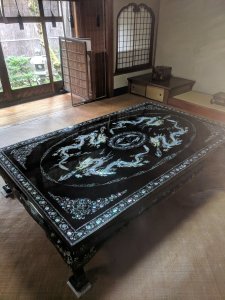
Spectacular mother of pearl table in Noh theatre room

Sweet served before matcha tea

The traditional tea service begins with a hostess whisking powdered green tea into solution and pouring the tea into a handle-less cup. Upon receiving the cup, the guest rotates it so that the decoration faces the host as a gesture of respect. Two small sips, followed by a third slurping gulp to demonstrate the guest’s appreciation.

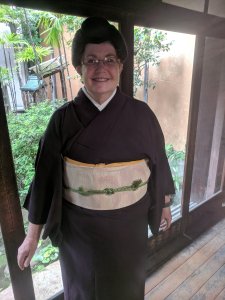
Our teahouse experience included a kimona try on. There are lots of layers under those kimonas!

They even had “wigs” to go with the kimonas

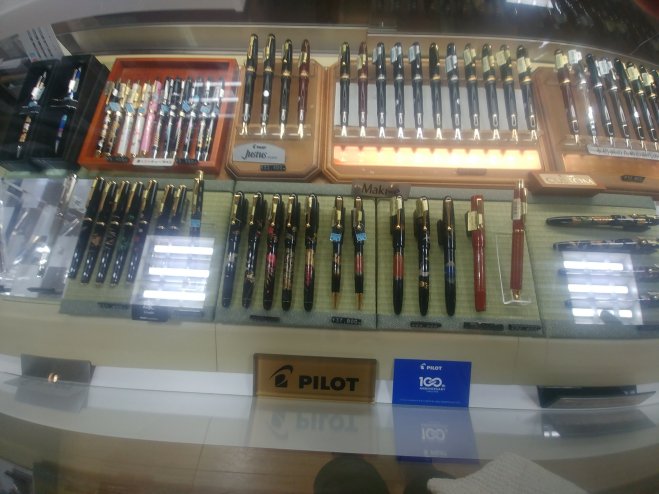
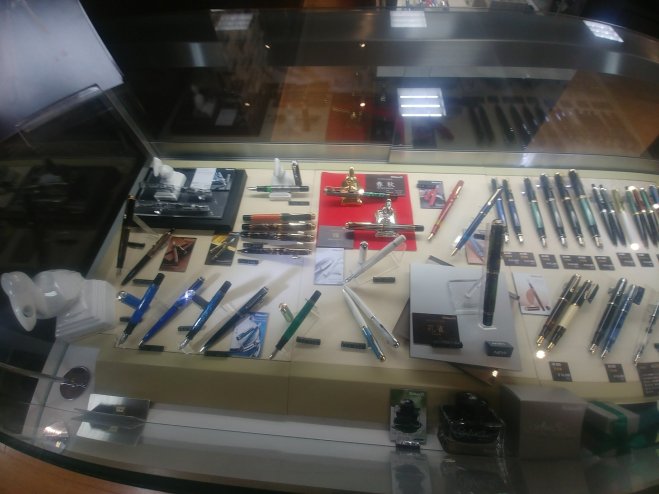
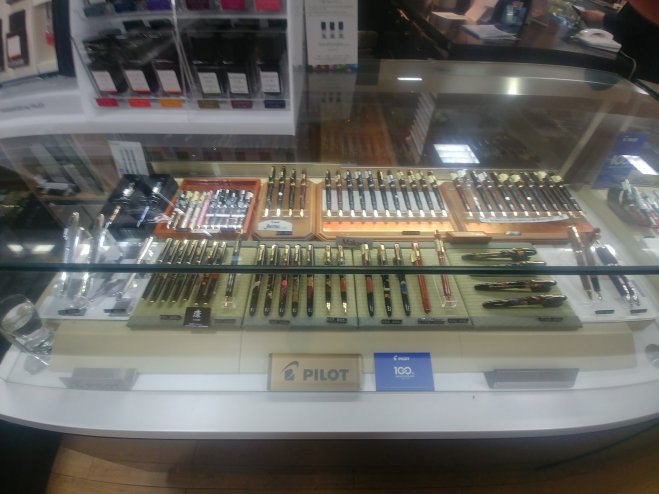
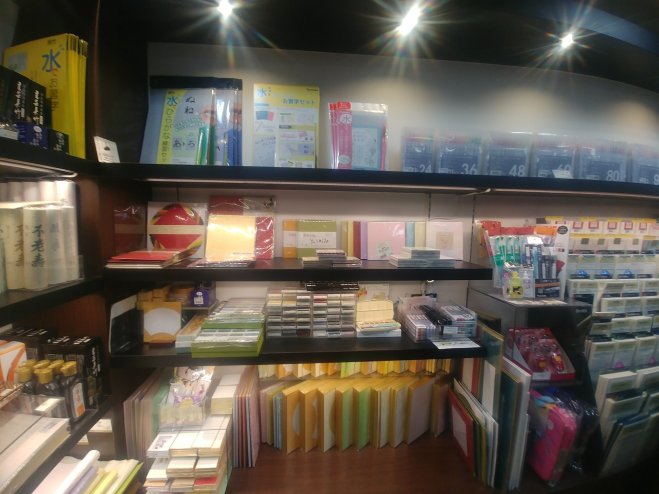
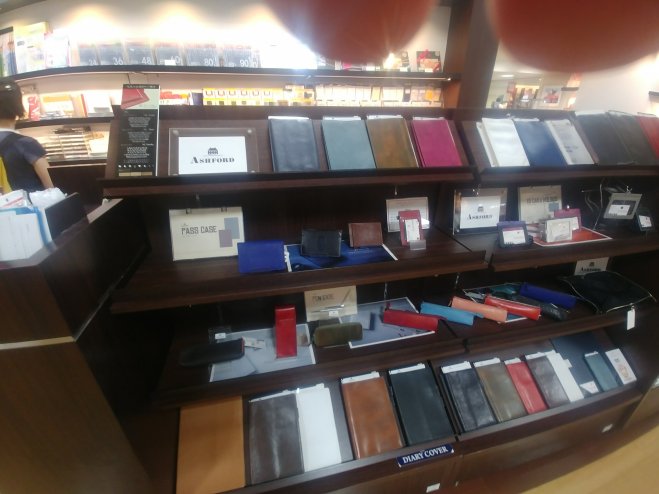
Department Store Pen Heaven

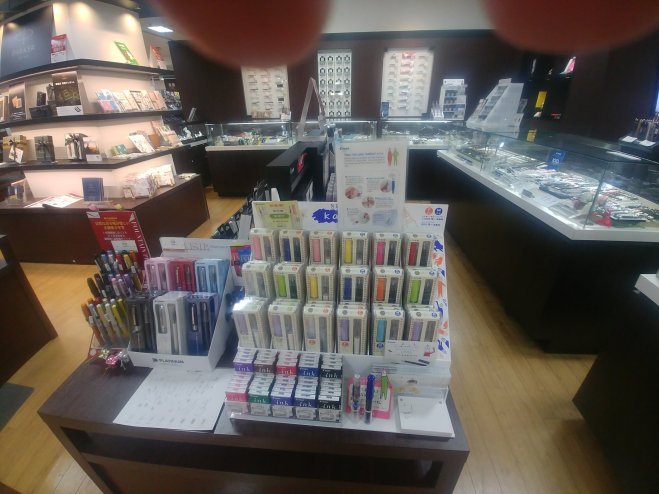
Even department stores have nice selections of pens , stationery, papers, and watercolors. We went to Takashimaya on our first day in Kyoto. They give you a 5% off card for purchases over 3000 yen (approximately $30 USD) if you show your passport. It’s good for a month so my pen collecting friends can go wild. Here are a few pictures. Sorry there aren’t more. I was fading fast. Kyoto is hotter than the rest of Japan and humid. I was melting.


Geiko, a Geisha by Another Name

We met a lovely maiko at a Gion teahouse, and she openly discussed her chosen profession. While a high school student, she applied to join the training program for geisha, or geikos, as they are called in Kyoto. She submitted a resume and profile in a competitive process reminiscent of a college application essay. Once accepted, she left her parents home and moved into a house with a “mother” and other trainees. Instead of normal schoolwork, she studies calligraphy, dance, games to play with clients and a musical instrument. As a beginner, our maiko couldn’t wear mascara or eyeliner and could only paint her bottom lip red.

During her early maiko training, she is only allowed to see her family twice a year, and can’t leave the small district without a more advanced companion. She also must give up her smart phone, which could be a challenge for many teens.
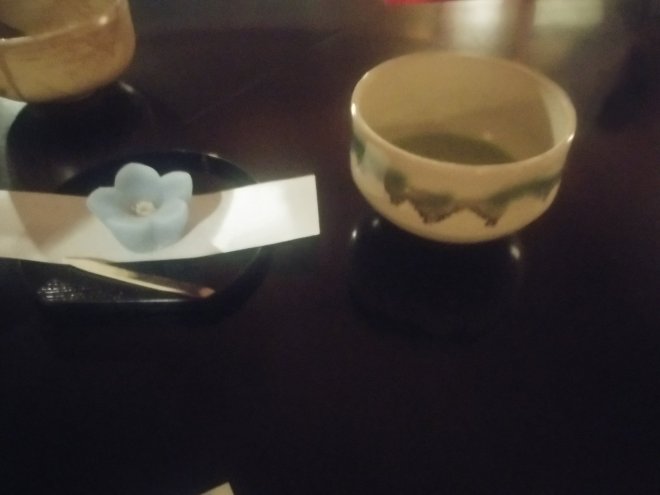
She served us a lovely sweet and cup of matcha green tea.
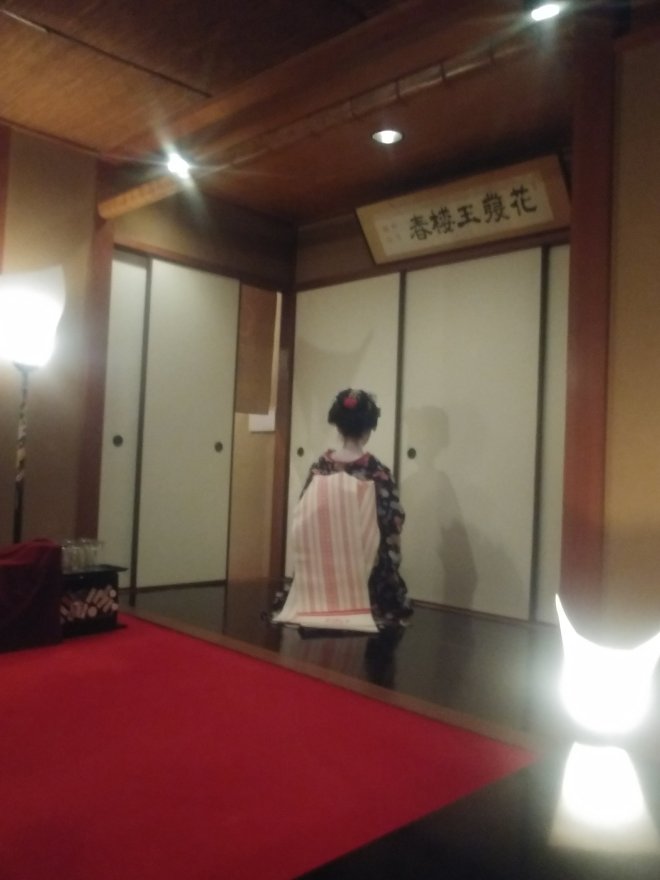
She also performed a lovely dance about the history of geikos in Kyoto. And she challenged several of our group members to play a Japanese version of rock, scissors, paper. She would normally play this with clients. She clearly doesn’t let clients win to stroke their egos, as our team members all lost.

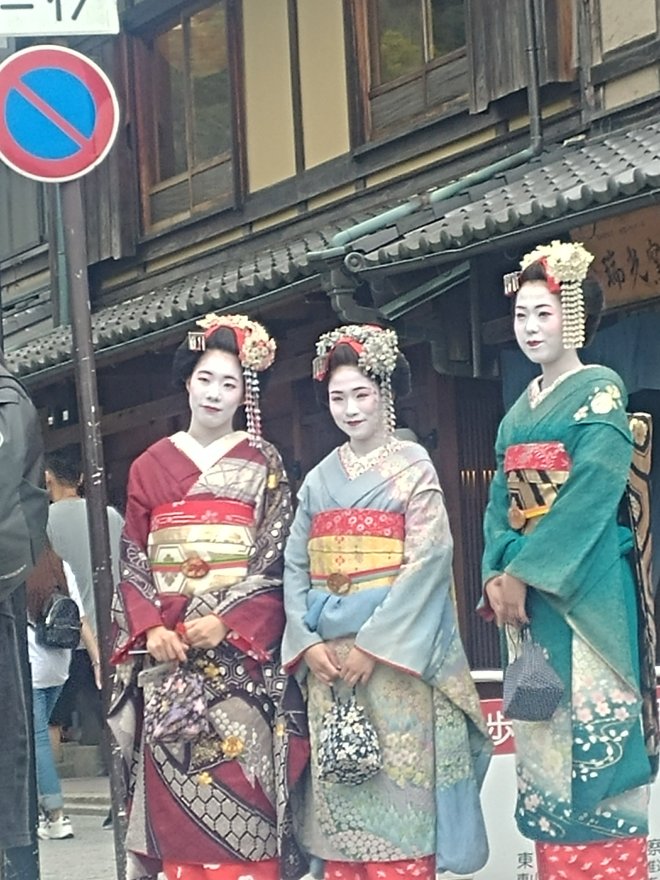
Walking around Kyoto, one might also see “tourist geisha”young women dressed up like geikos, but who haven’t been trained in the arts.
A real geiko who eventually decides to leave the profession, would probably have to go back to school to learn the subjects not covered by her maiko education, before she could qualify for a different type of job.
A Beer Lover’s Japan

A guest blog by Ray Shortridge.
Several world class beer labels call Japan home, including Sapporo and Kirin.

The image below is the headquarters of a third, Asahi.

The tall gold building represents a glass of beer with its (blue?) foaming head The shorter one to its right purports to be a mug of beer topped by a Flame d’Or, symbolizing the burning heart of Asahi beer. Some jaded Tokyoites refer to it in more earthy terms.

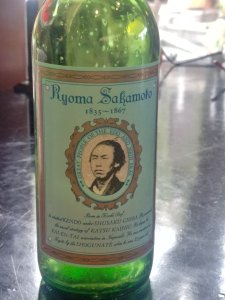
Anonymous draft beer is also served, and local craft beer, such as offered by this pub in Matsumoto. One brand in Kyoto prints labels with the face of a famous historical figure.

Some spots offered draft beer from Brooklyn Brewery.

And a bed & breakfast stocked its private vending machine with canned Asahi brews. Public vending machines don’t stock beer.

In Matsumoto, we lucked on to a beer fest on the park around the Black Crow Castle. The Friday of the long weekend was a national holiday for honoring elders. Most fitting.

However, convenience stores such as 7-11 and Family Mart, do, although the buyer must punch an “I am an adult” button on a touch screen at the cashier’s station.

Kyoto lies in a valley surrounded by mountains, which resulted in sultry days this time of year. Ice cold Japanese beer hit the spot.

Wasabi and Faux Wasabi: what’s on your sushi?

Guest blog by Ray Shortridge

The Daio wasabi farm followed the business template pioneered by Knott’s Berry Farm — supplement a viable farm operation with a high steady cash flow destination for tourists. Add outdoor cafes, gift shops, and a wide array of wasabi based or flavored products for sale.
Wasabi flavored ice cream, croquettes, etc. for immediate consumption (the wasabi ice cream was a bit bland, but the Fuji apple ice cream was sweeter) and wasabi paste, slivers, leaves, etc. for taking home to mix into dishes.
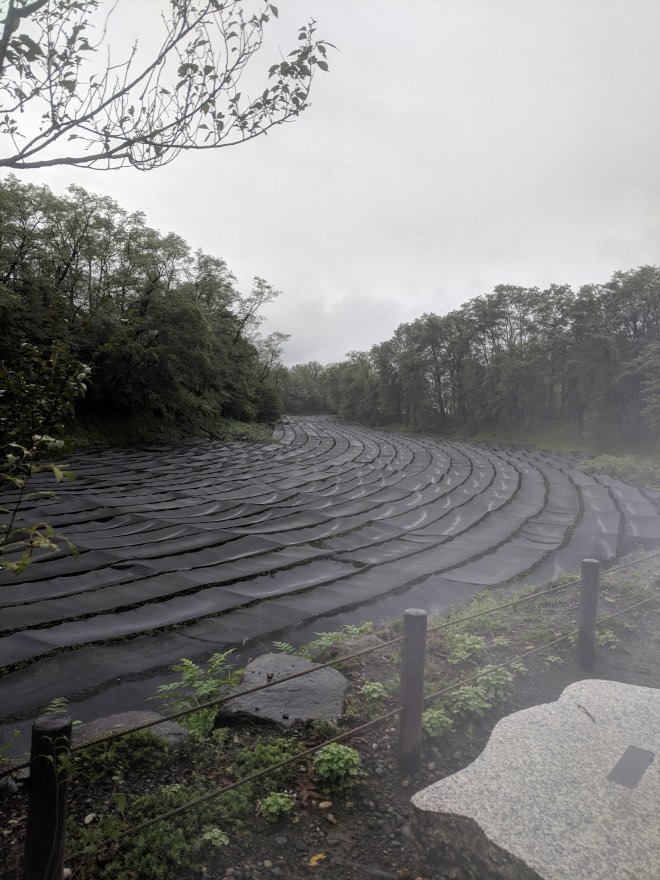
Wasabi flourishes in a bed of gravel that is flushed by a flowing stream of fresh cool (10-15 degrees Celsius) spring water. Farmers scrape the gravel into a grid of ridges that resembles a waffle iron. Wasabi sets are planted on the ridges.
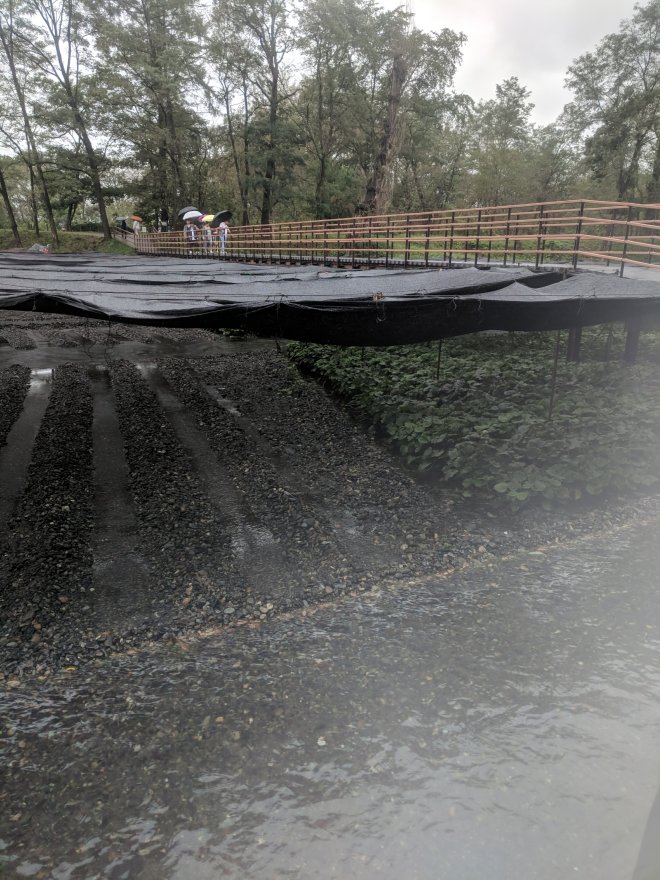
The plant emits toxins to protect it from pests, but if the toxins are not flushed, then the accumulation can destroy it.
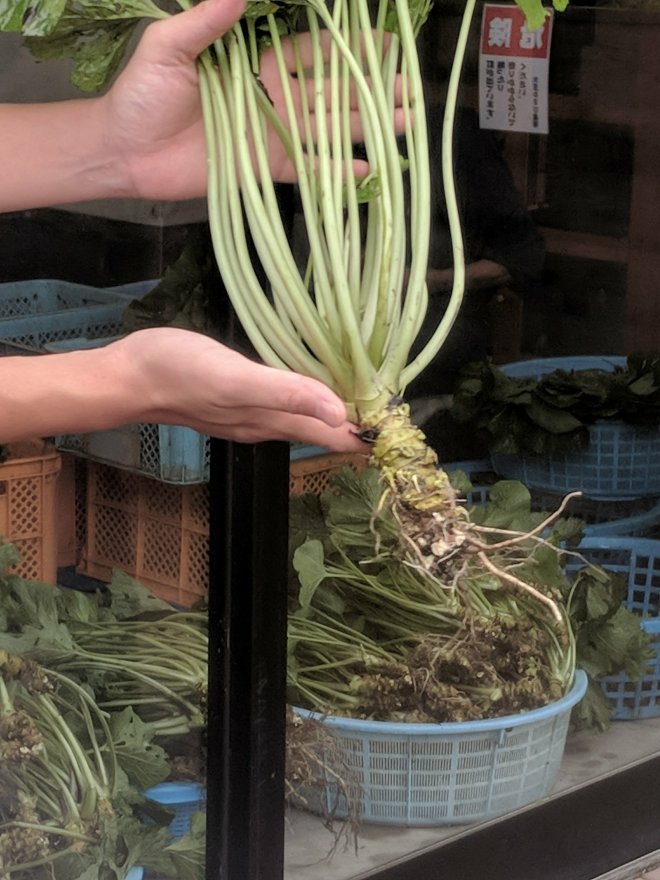
The wasabi tuber resembles a potato. However, while the potato tuber grows down, the wasabi grows up. At harvest, the entire plant is plucked. In processing, the leaves are trimmed from their stalks, and then the stalks cut from the tuber.
The leaves and stalks are processed to create a wasabi green food coloring. The tuber is sliced and processed into a paste.
In the Matsumoto region and gourmet Tokyo restaurants, some sushi chefs garnish their sushi dishes with the 100% wasabi paste.
Elsewhere, the “wasabi” on your sushi is a blend horseradish, spices, additives, food coloring, and maybe, just maybe, dash of wasabi paste.

Lawyers and a Spy

A collaboration blog with Ray Shortridge

img_20180915_1107411691906836.jpg

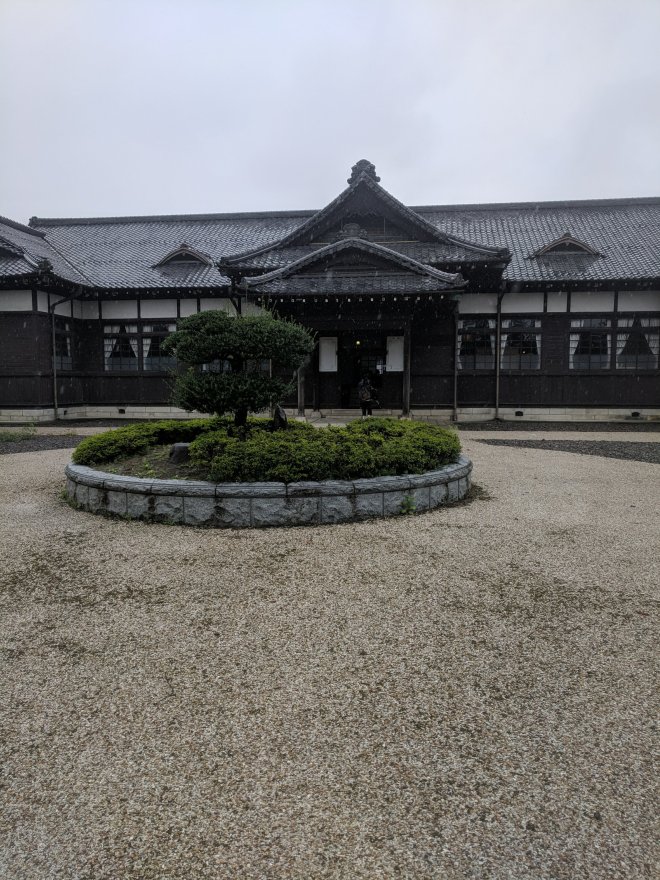
The city of Matsumoto reconstructed the all wood district court building of the Edo period as the center of a regional historical museum. The law court has a familiar layout, with the panel of judges sitting on a raised dais, lawyers on a lower dais, and the public at ground level.

img_20180915_1054401486400817.jpg

Deeper in the complex, a room is set aside as a memorial to Yoshiko Kawashima, a Japanese spy executed by the Nationalist Chinese government in 1948. Her remains are interred in Matsumoto, where she lived as a child for awhile.

In the 1930s, she led a counter insurgency cavalry troop that rounded up anti-Japanese forces in Manchuria. A Chinese princess, she was an influential member of the Manchukuo imperial court, featured in the movie The Last Emperor. She was called the Joan of Arc of Manchukuo and the Asian Mata Hari.

Miniature Japanese Works of Art

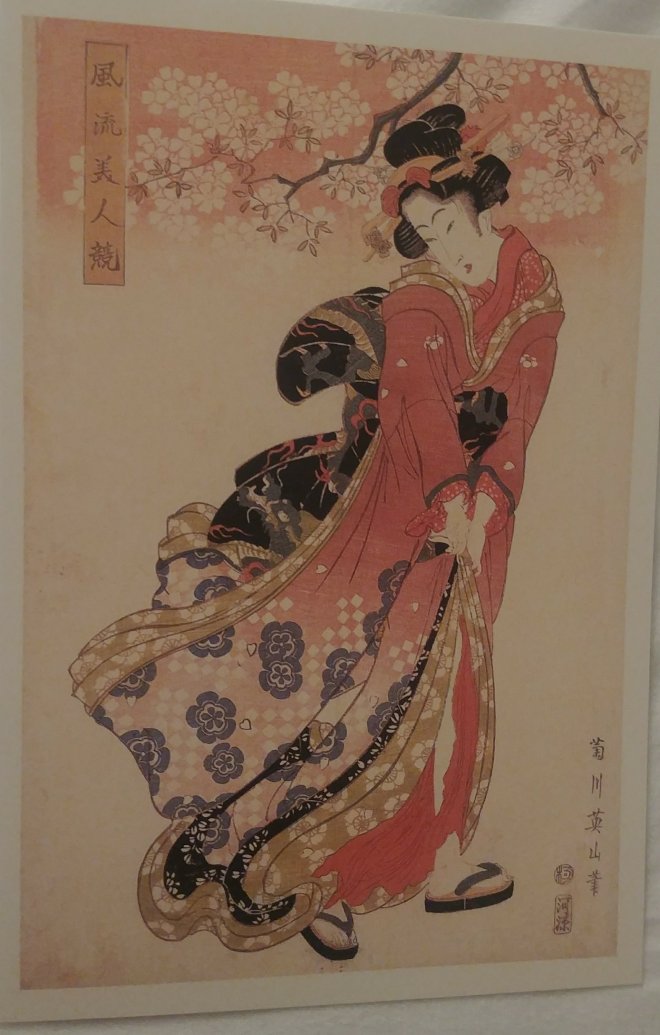
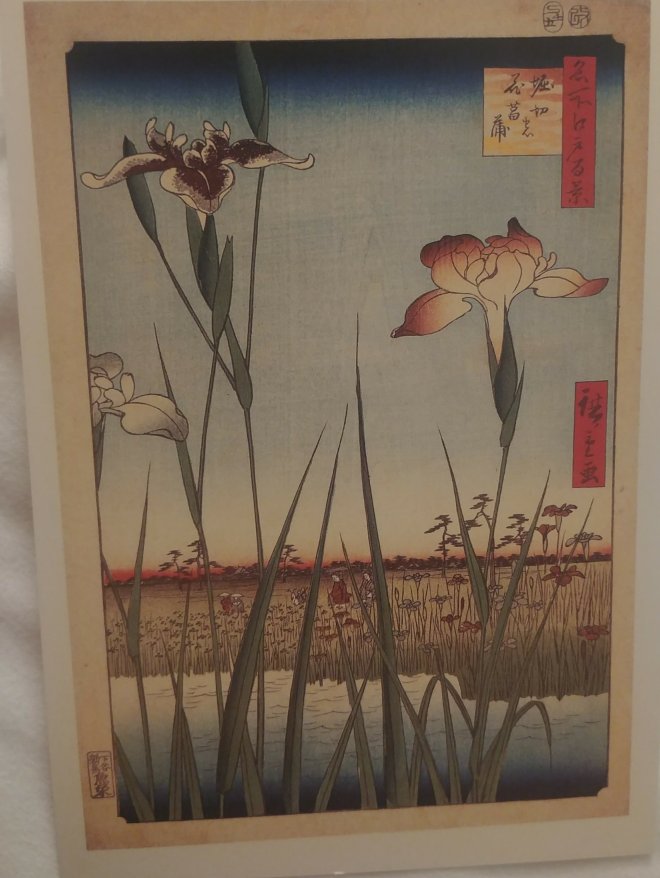
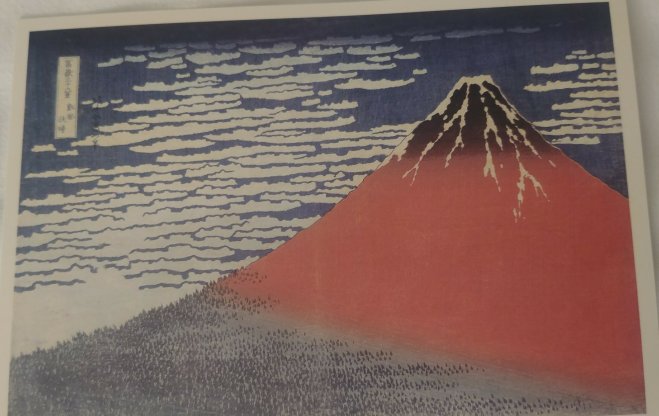
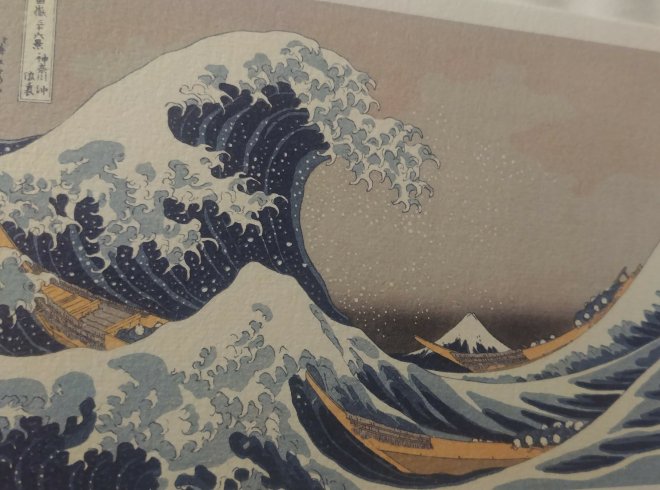
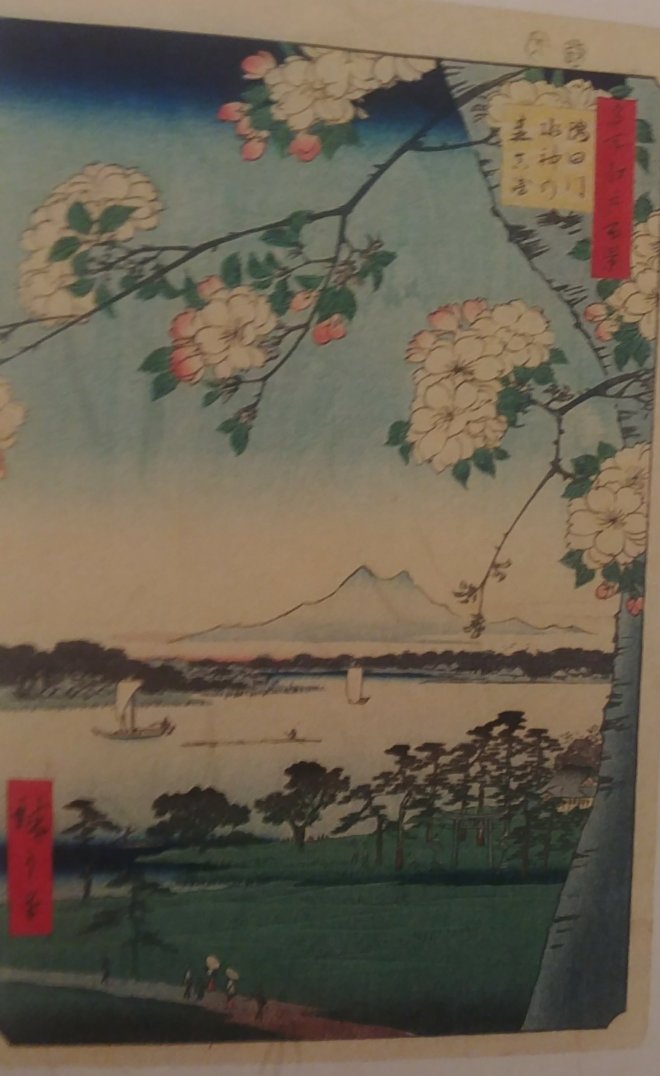
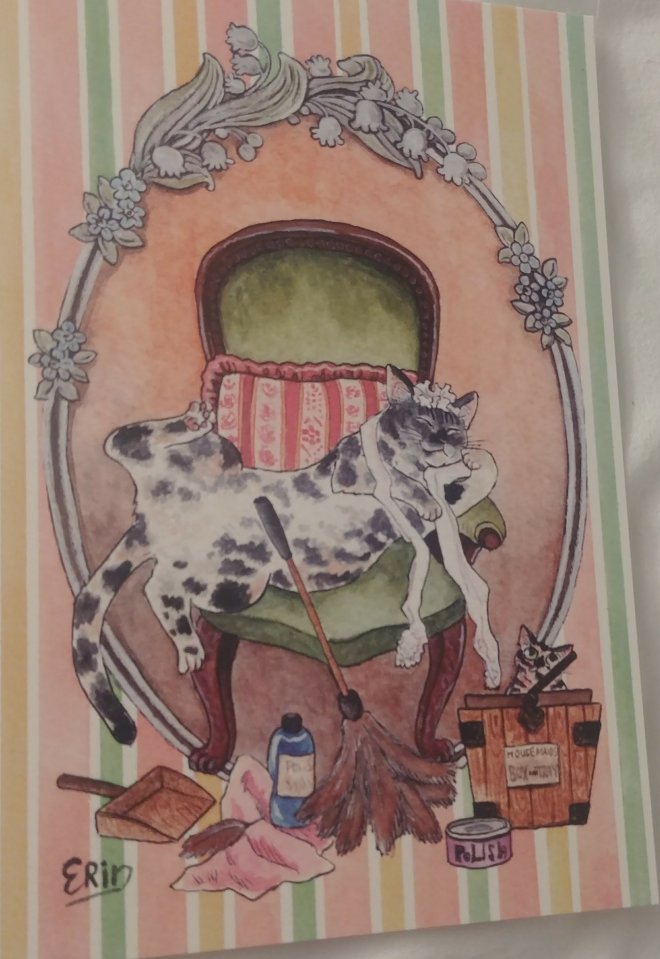
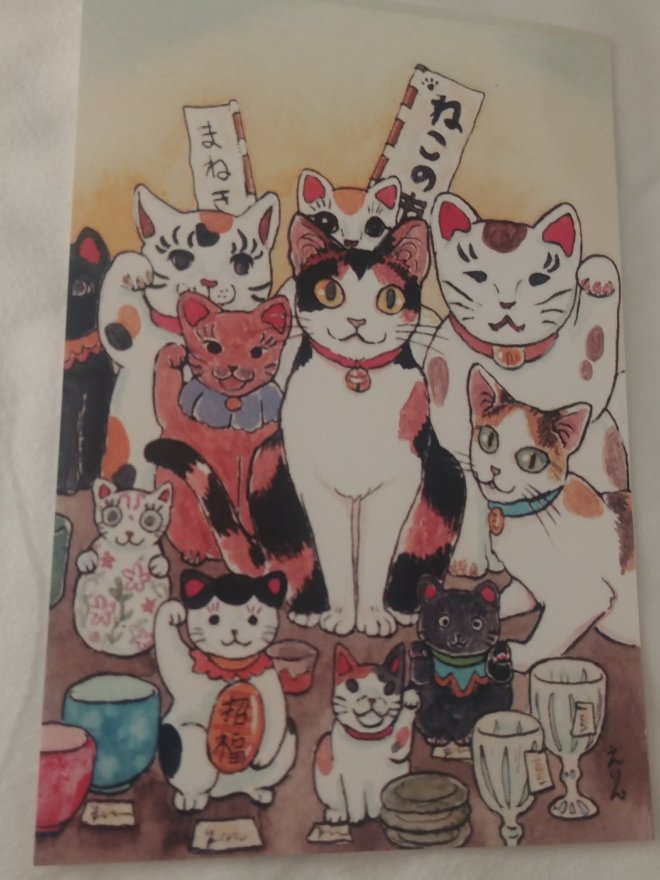
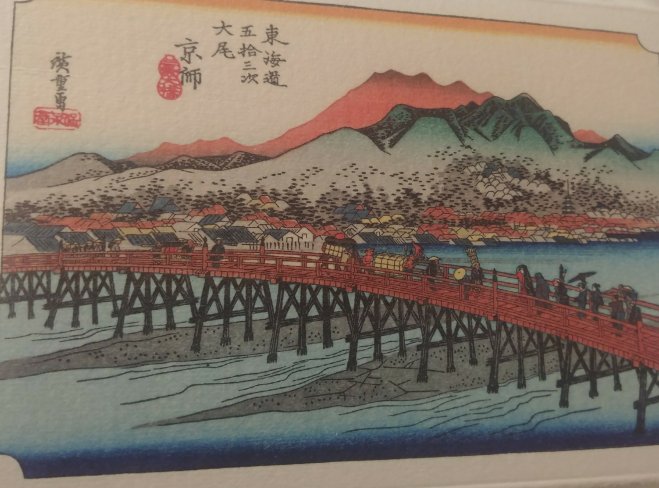
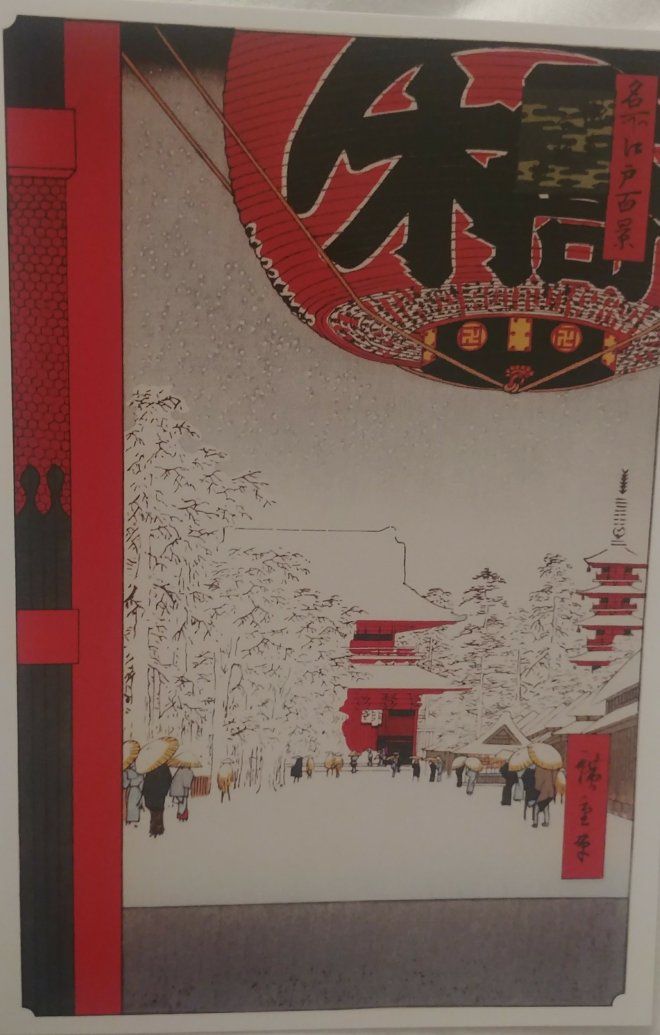
Japanese postcards are often reproductions of exquisite pieces of art so they make lovely souvenirs and gifts. Here are a few of the ones I’ll be sending out. I originally planned to send them from Japan but it looks like I’ll be too busy to address and annotate them before I get home.