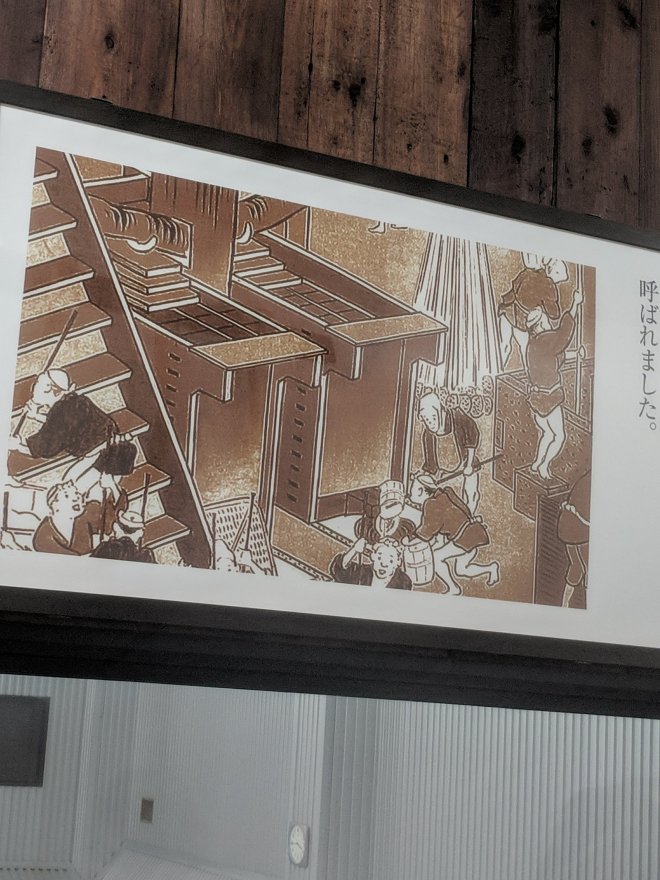
Rice is the basic element in Japanese cuisine, but it is also the principal substrate in brewing sake. An official of the ExcelHuman sake company guided us on a tour of their brewery and described the brewing process. For many centuries, sake has been a favorite alcoholic drink in Japan, and images on the walls depicted the pre-modern brewing process.
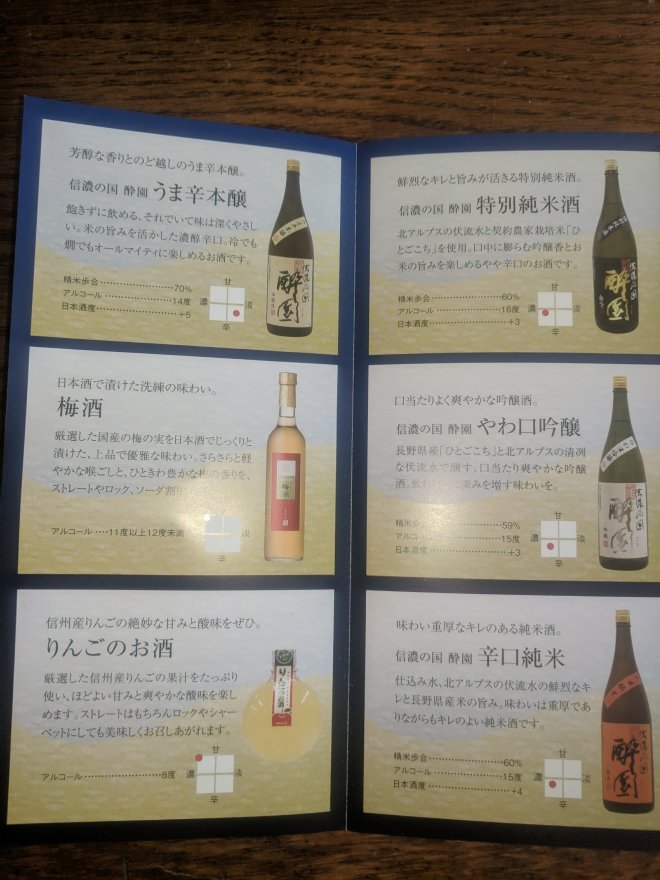
The brewery produced more than a dozen varieties of sake, and we tasted a few. Brenda preferred one with a slight taste of apple, pictured in the center of the right hand column.
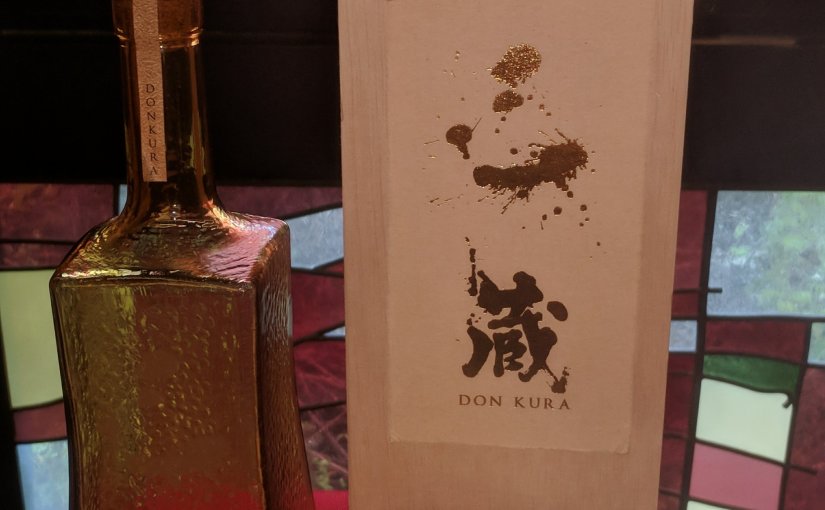
The brewery’s high end variety, Donkura, was priced at 13,960 yen, approximately $120.
In Echizan, Japan, they honor the paper gods as it is a revered paper making village. Unfortunately, many of the talented papermakers are aging out of the business without young apprentices to teach the art. The Japanese government is funding stipends to encourage young artisans to move to the rural areas where the crafts are situated. They are also funding cross cultural programs with other countries to bring artisans to these areas. This is a U.S./Japan cultural exchange, for example.
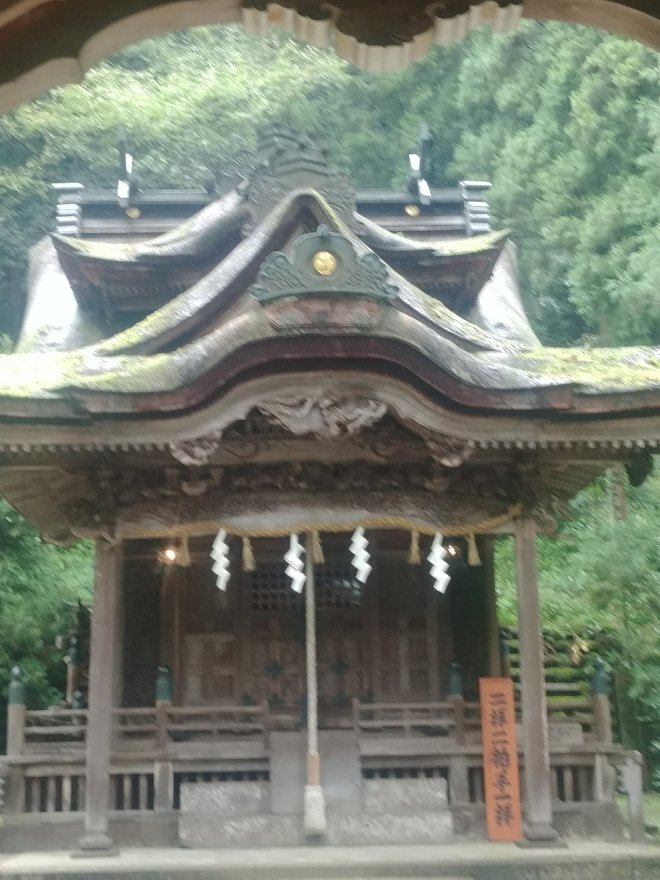
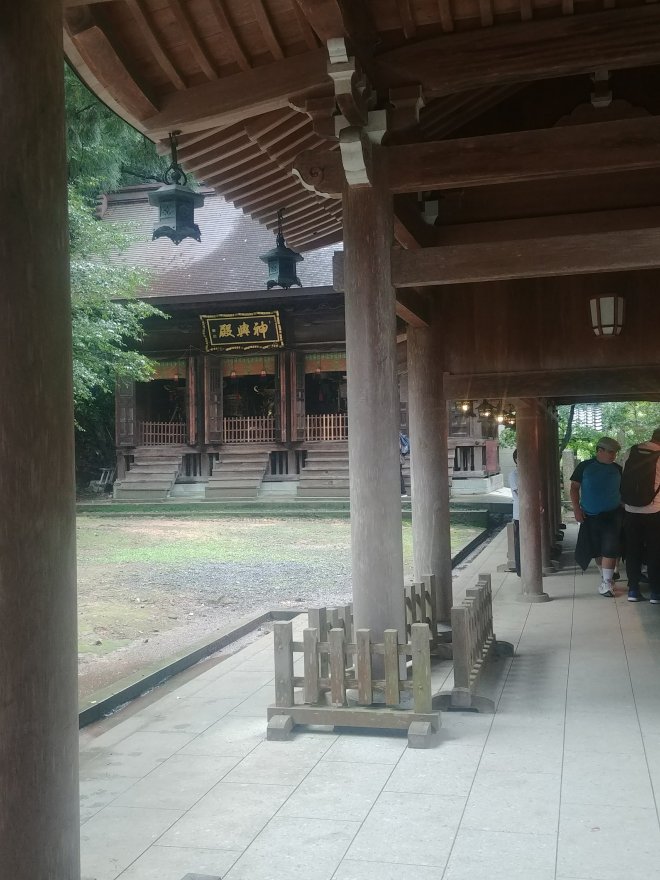
The horse represents the area. clan and helps protect the shrine.
The horse plays an important role in Japanese culture and history, and hence also the history of papermaking.
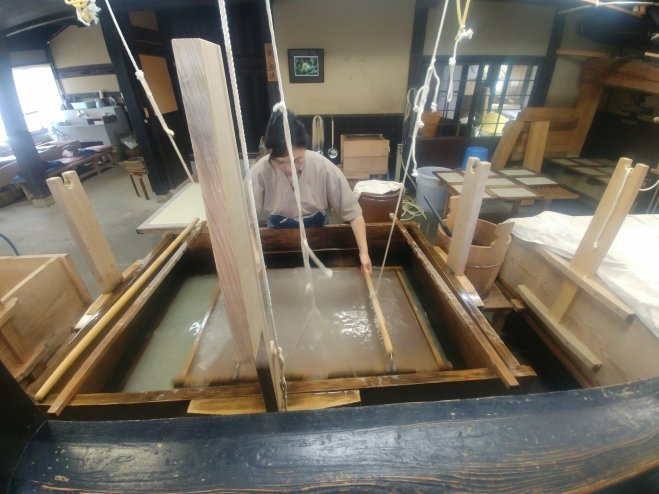
We had a papermaking experience of our own in the papyrus papermaking studio in Echizan. We each made 4 postcards using tubs of prepared mulberry pulp and decorative natural elements.
Natural elements for inclusion in paperThe prepared paper pulp, with a color station in the background.
We could also “dye” the paper with watercolor paints. The lid fell off one if the colors I used, so it got more dye than I intended, but it still created a nice effect.
We also went to a great museum and papermaking studio where masters of the papermaking craft still work.
Making the large thin sheets of paper the area is known for.Super fine, thin paper being manipulatedPaper sculptures by local artisansA collect the stamp program to encourage young people’s interest in paper
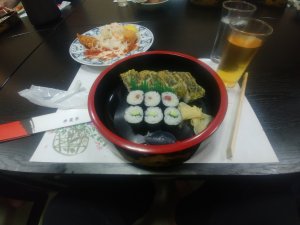
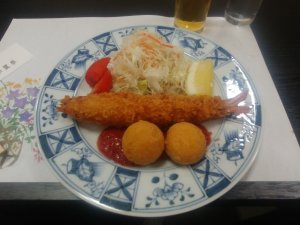
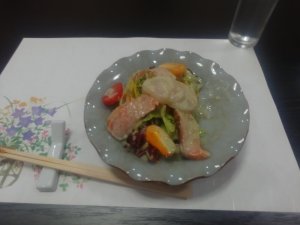
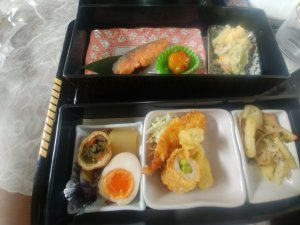
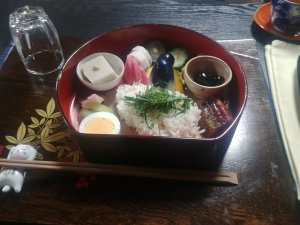
Half the time I didn’t know what I was eating, but food was always presented beautifully. We did get a lot of seaweed and raw fish which was sometimes challenging. (I like variety in food everywhere except breakfast!) Still, even those meals were beautiful and usually delicious once I got over my cultural dissonance. Here are some of my beautiful meals.
Sushi and raw halibut topped with a local seaweedShrimp tempura and pumpkin and cheese ballsA fabulous beef stew. In Japan.Raw fish and scallopsBen to box meal. Note how red orange the egg yolk isOpened Bento box. Lots of pickled foods here.The closed Bento box is gorgeous
During the Fifteenth and Sixteenth centuries, the authority of the emperor waned. Land holding warlords exercised political power in the provinces at the expense of imperial officials. In the area near Fukui, the Asakura Clan held sway over thousands of farmers from their stronghold at
Ichijodani Castle.
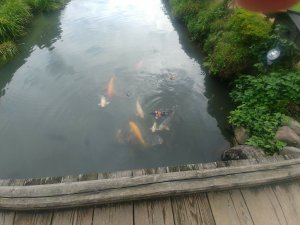
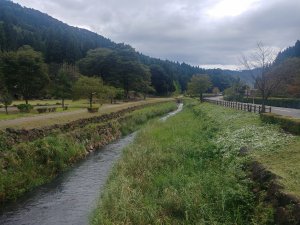
Goldfish are a common sight in drainage ditchesDrainage ditches were well designed
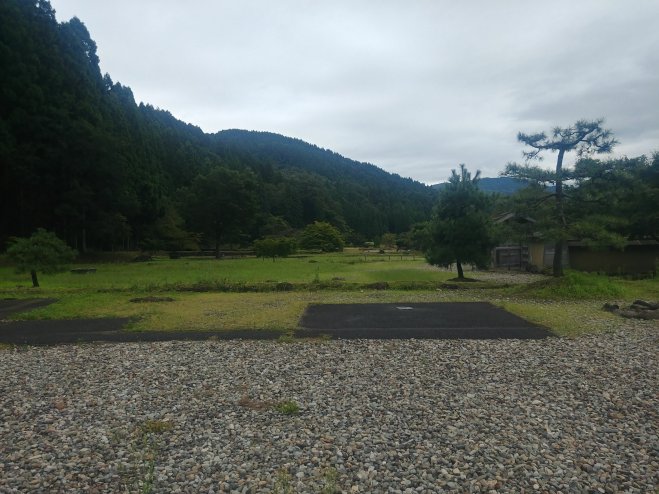
The ruins of the castle stretch about two hundred yards along the east bank of a small rapidstream that flows into the Asuwan River a few miles downstream to the north. The fortress extended from the stream to the steep slope of a wooded ridge. Across the stream, the samurai serving the Clan dwelled inside a walled village that protected their houses and gardens. In addition to the samurai, artisans and merchants lived in the village that totalled perhaps ten
thousand residents.
T
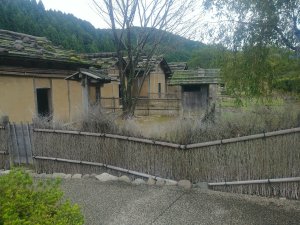
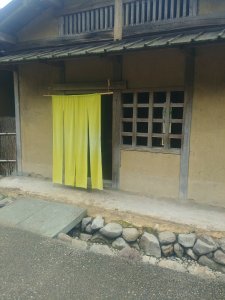
Reconstructed villageWhen the curtain is out, the merchant is open, even today.
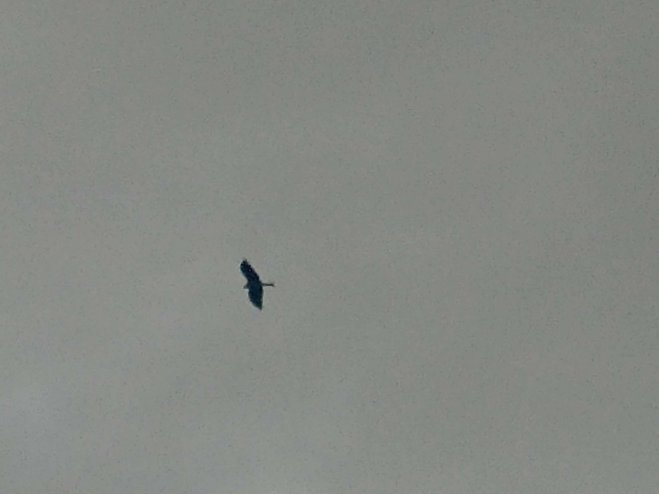
The five or six generation rule of the Asakura Clan ended violently. An ambitious Shogun who sought to unite the empire, Oda Nobunaga, attacked their stronghold and destroyed both the castle and the village. Over the past several decades, archeological work has revealed the foundations of the buildings, and several houses in the samurai village have been reconstructed. Today, a few re-enactors, curators, and groundskeepers roam an otherwise deserted ruin, along with a black cat and great blue heron that we spotted.
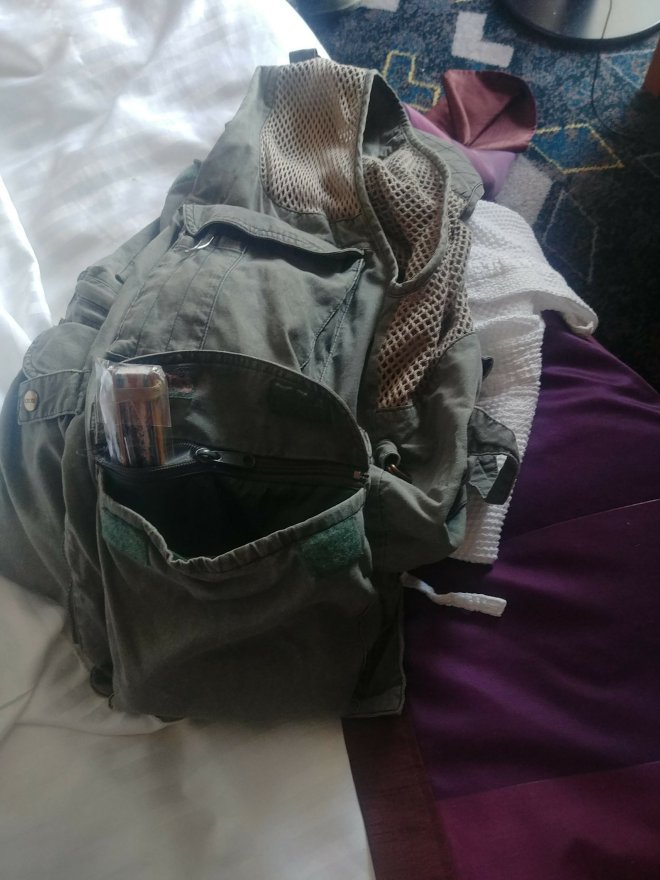
Ray and I aren’t fond of checking luggage so we tend to travel light. One way we manage, is travel vests. His is a very professional jacket with zip off sleeves fromScottevest. com. While it’s not the current model, it has lots of great design features and has held up well for years.
Mine is a photographer’s or fisherman’s vest from someplace like REI, Cabelas, etc. It is a more affordable if slightly less stylish option that has lasted twenty years or so of multi-use (travel and photography). It is finally starting to show it’s wear. Besides, I’m not as thin as I was when I bought it. So I’ll probably invest in a new vest soon.
But either option will make your packing easier. It doesn’t count as a bag, but lets you slip a lot of critical items close to your body for that long flight (prescriptions, e-readers, earpods, and so on.)
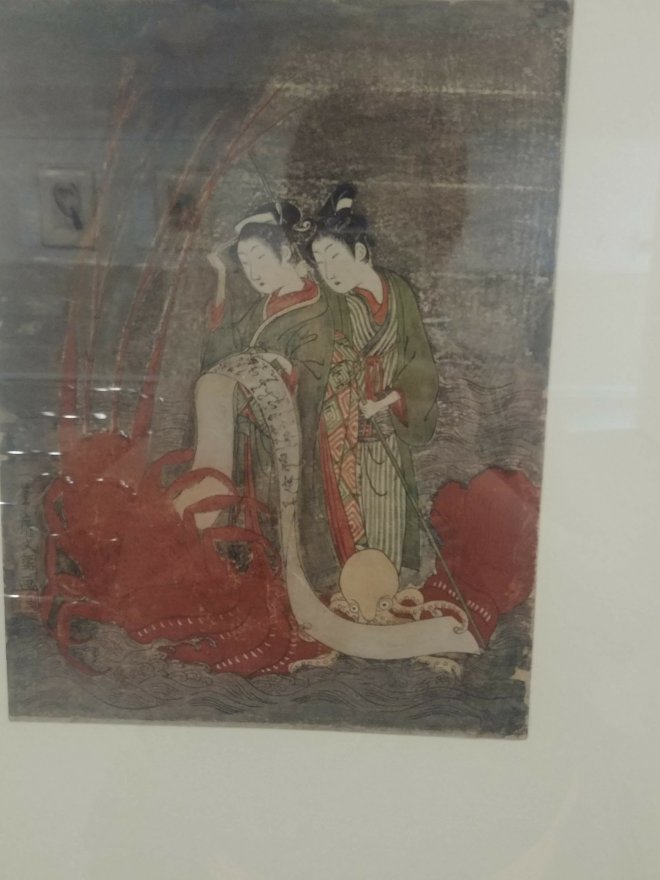
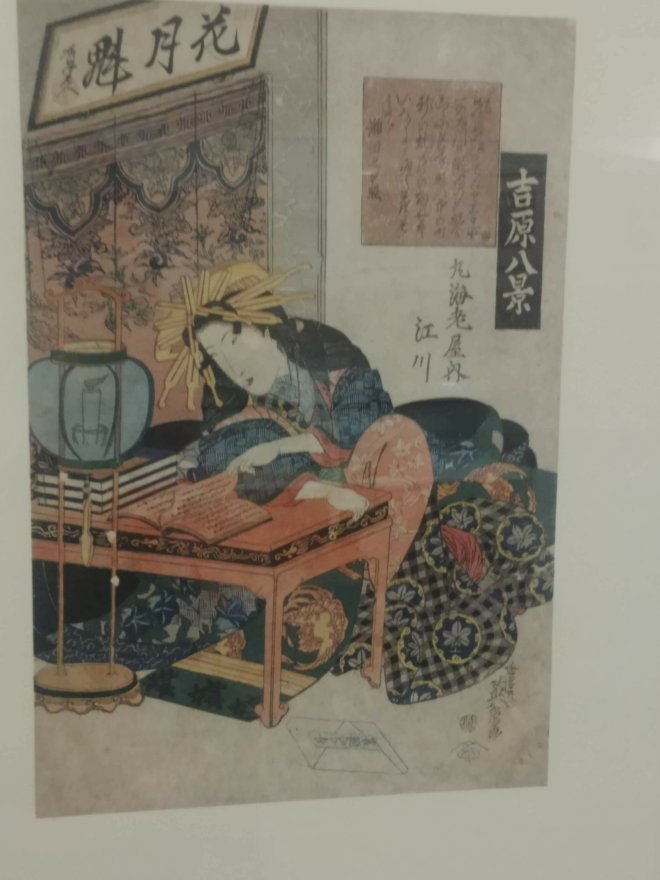
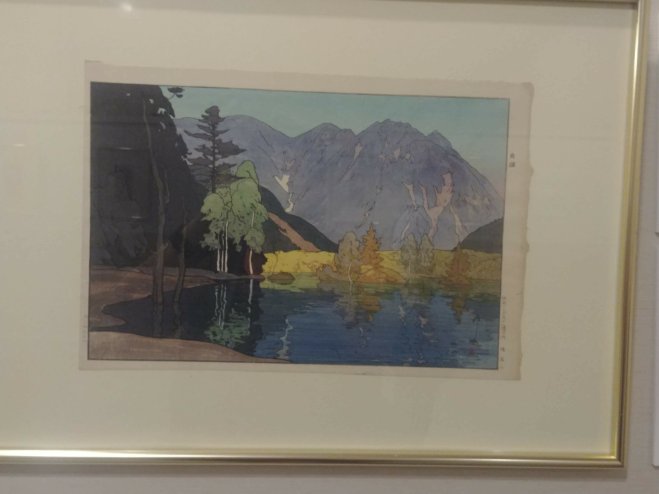
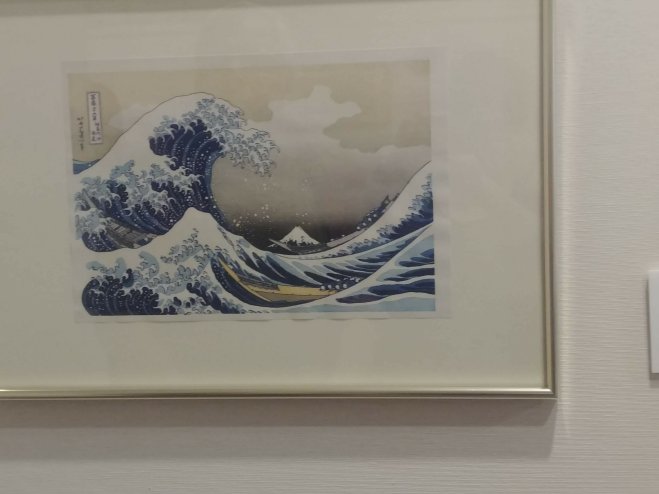
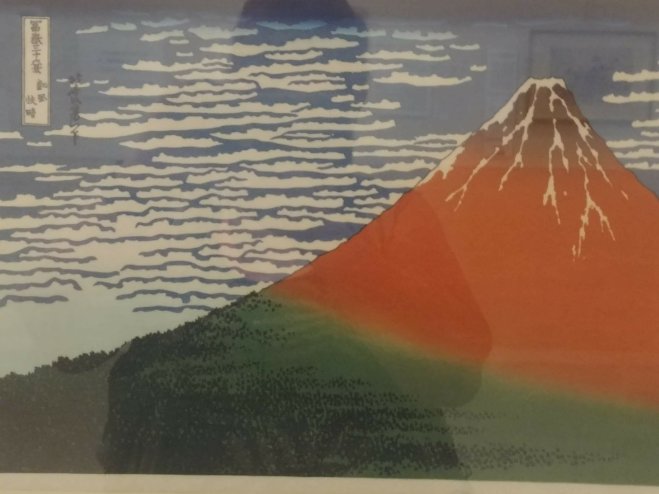
In Matsumoto, a must see for art lovers is the Woodblock Print Museum. The process is painstaking, but the results are spectacular. The pictures speak for themselves, and if you went in person, you’d see different ones, as they rotate the collection frequently.
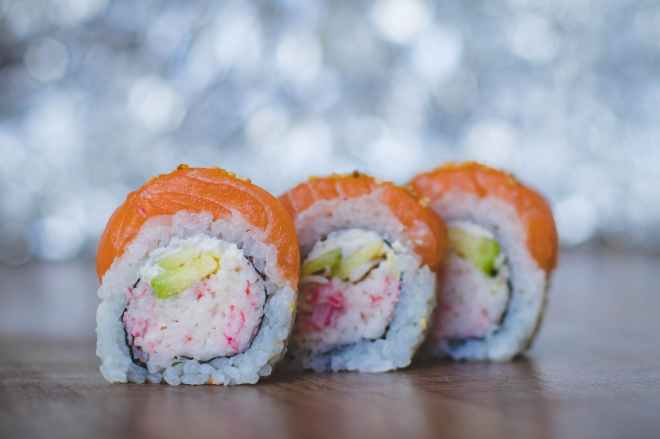
We dined at a conveyor belt sushi restaurant where chefs placed small dishes with a wide range of sushi on a conveyor belt that circled the counter around which customers sat. We could inspect the continuous flow of dishes and grab ones that suited us. Pricing was based on the patterns on the plates. The waitress entered the number of empty dishes on our pile and gave us a total to take to the cashier. Ours added up to a mere $10 for two people, so it was a good budget meal and tasty.
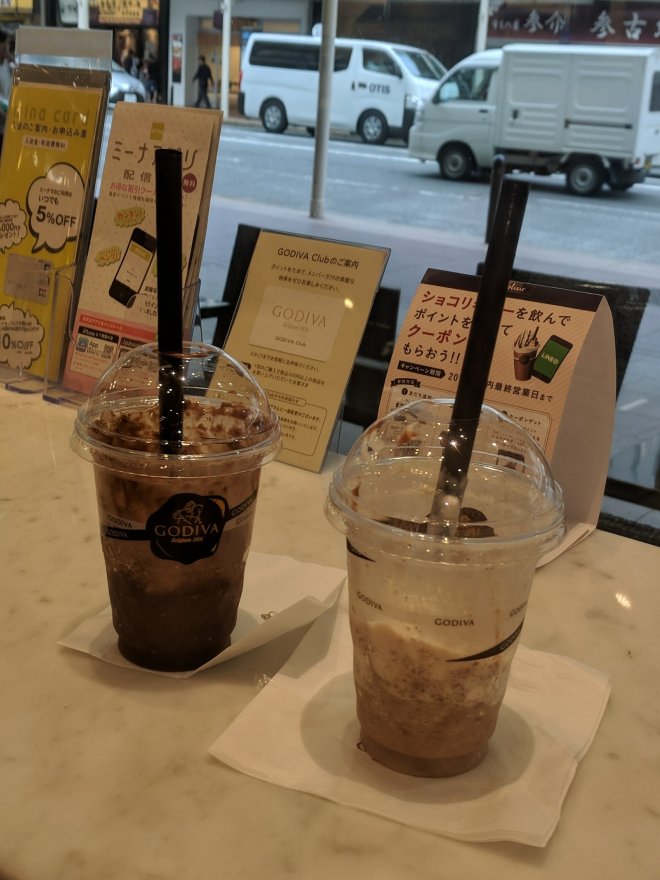
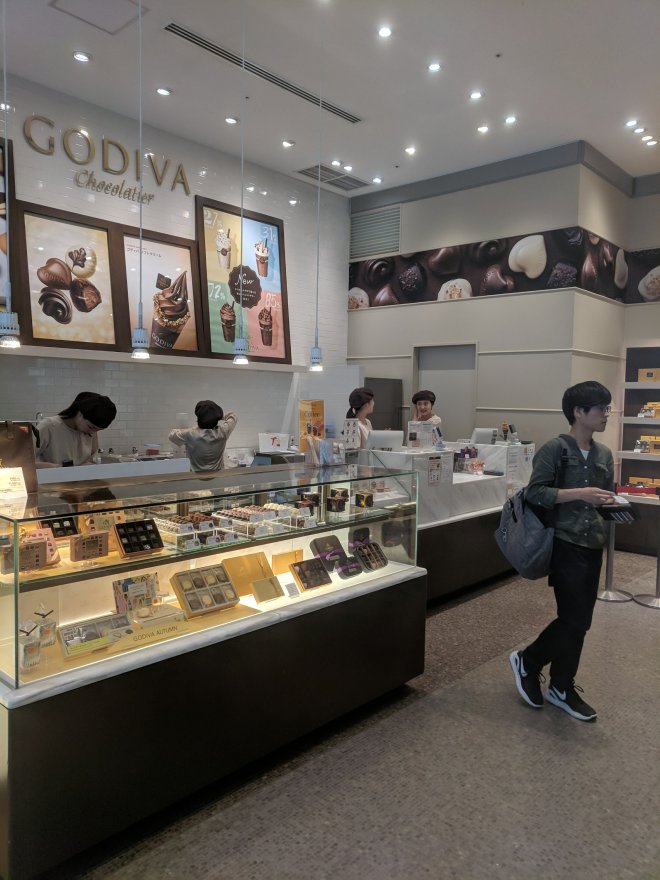
Afterwards, on the street, Brenda eyed pictures of ice cream cones in store windows and muttered “I’m craving chocolate.” After two weeks of fishy meals and no chocolate, that wasn’t really surprising. Fortunately, just a few steps further was a Godiva chocolate shop.
She purchased a couple of truffles, and we returned on two later days for icy drinks. Clearly, some of us can’t survive on fish alone.
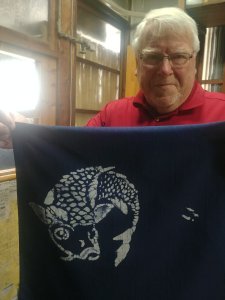
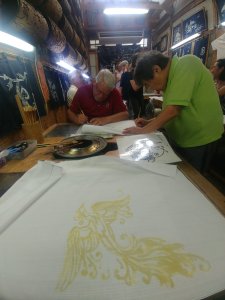
We had a great time creating wax resist pictures on cloth and then dying them. The dye bath is a mix of blue, black, and green to give an intense color.
We used several layers of hot wax on a piece of fabric to create our designs.
After dipping the piece in dye, we used hot water to remove the wax. Then we ironed the piece to dry it out for transport. (Except for t shirts, which had to dry normally.)

















 Travels with Owen